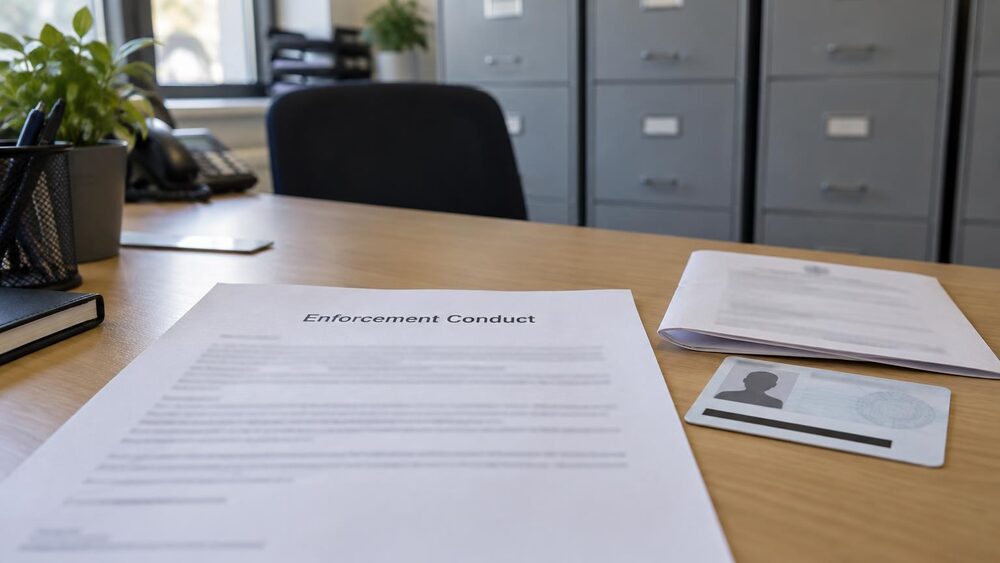
The Enforcement Conduct Board has been set up as what is reported to be the first independent regulator for debt collection in the UK, according to a January 2023 report1. The development was recorded on 26 January 20231.
The Finance Innovation Lab, an independent organisation, noted the change in its monthly round-up of developments in UK finance, published on 20 February 20231. It described the absence of an independent regulator for debt collection as something readers might not have known, and pointed to the new body as the point at which that changed1.
"Did you know there's been no independent regulator for debt collection? [Until now]"
The same round-up covered other regulatory and policy developments. It said the UK government had agreed to reform corporate criminal liability, and would make failure to prevent fraud and money laundering an offence, in line with bribery and tax evasion1. It also reported that MPs had described the Payment Systems Regulator's plans to let Pay UK take charge of reimbursing scam victims as flawed1.
On household finances, the round-up cited a Joseph Rowntree Foundation report stating that 20% of the UK population are living in poverty1. It also reported that NatWest had posted its largest profits since 20071, and that the North of England receives one of the lowest levels of investment of all developed countries1.
Why it matters for households
People who fall behind on debts in the UK can be pursued by bailiffs, also called enforcement agents, and by debt collectors. The creation of the Enforcement Conduct Board is reported as the first time an independent body has taken on the regulation of debt collection1. The report does not set out the board's powers, its remit, which firms or individuals it covers, how it will handle complaints, or the date from which its oversight takes effect. Those details have not been reported in the material available.
The round-up also records that the government has agreed to reform corporate criminal liability and to make failure to prevent fraud and money laundering an offence, in line with bribery and tax evasion1. It does not give a timetable or the form the legislation will take.
Separately, MPs are reported to have said the Payment Systems Regulator's plans to let Pay UK take charge of reimbursing scam victims are flawed1. The report does not say what happens to scam reimbursement in the meantime.
What happens next
No next steps for the Enforcement Conduct Board are set out in the report. The round-up does not give a start date for the board's work, a date for the fraud and money laundering offence reform, or a date for a decision on the Payment Systems Regulator's reimbursement plans1.
For background on how enforcement works and what people are entitled to, see bailiffs and enforcement agents: your rights, bailiffs, enforcement agents and sheriff officers compared and debt collectors and sold debts: your rights. The wider picture of who makes the rules is covered in financial regulation in the UK, and the payments side in the Payment Systems Regulator.
Sources1 cited
- Changing finance: new this month - February - Finance Innovation Lab financeinnovationlab.org

 StepChangeFree debt advice and solutions from a charity
 National DebtlineFree debt advice by phone, webchat and online
 MoneyHelperFree, impartial money and pensions guidance, set up by government
 Citizens AdviceFree advice on money, consumer and legal problems in England and Wales
 Citizens Advice ScotlandFree advice across Scotland