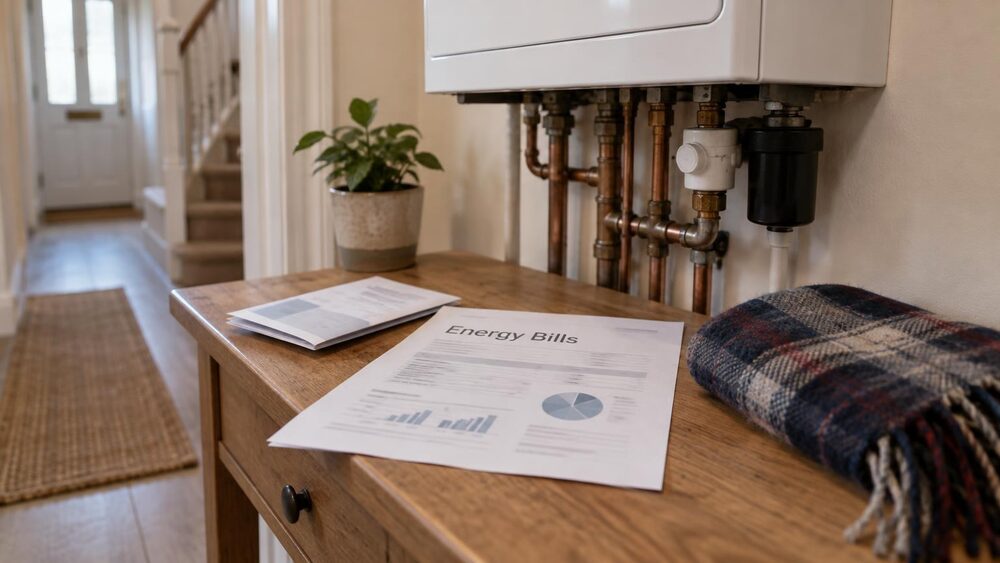
More than 10 million households, or 37% of Britons, are worried about how they will afford their energy bills this winter, according to research published by Citizens Advice on 26 August 20261. The charity's survey also suggests 3.5 million households are currently in energy debt, meaning they are behind on bills or without gas or electricity because they cannot afford to top up a prepayment meter1.
The survey ran between 23 and 28 July and reached 4,556 participants across England, Wales and Scotland1. Citizens Advice calculated population figures using ONS Families and Households 2025 data1. It found 12% of all households are in debt to their supplier, rising to 25% for households from ethnic minority groups, 24% for those on means-tested benefits and 17% for disabled people1. Only one in five people in energy debt, 19%, said their supplier had proactively contacted them with offers of support1.
Among prepayment meter customers, 28% lost gas or electricity in the past year because they could not afford to top up, and 21% of those said they were typically without power for 12 hours or more1. The weighted figure of prepayment customers in the survey is 12%, or 556 respondents1. Households in energy debt reported cutting back on food spending (38%), leisure and social activities including seeing friends and family less (36%), and using less heating even when it is cold (32%)1.
On prices, Citizens Advice says that from October 2025 to October 2026, using Ofgem's new TDCVs, the energy price cap has increased by around 10%, from £1,576.44 to Cornwall Insight's prediction of £1,729.311. It cites ONS real time PAYE income data suggesting incomes have risen by only 4% over the same period1.
The charity is calling for a package of government support, including a reformed Warm Home Discount paid for in part through general taxation. It says this could save dual-fuel households on means-tested benefits around £400 a year, in addition to the existing £150 Warm Home Discount payment1. Its modelling puts the reduction at £399 for the average dual-fuel household receiving means-tested benefits, and £39 for average dual-fuel households not on means-tested benefits1. It also wants more policy costs that fund renewables moved from electricity bills into taxation, and delivery of the long-delayed Debt Relief Scheme1.
"A crisis used to be a once-in-a-generation event, but for millions it's now an inescapable daily reality. Whether the price cap goes up or down, the reality for households remains the same: energy bills are simply still too high, prices continue to rise faster than incomes, and debt levels continue to grow."
Why it matters for households
The figures describe the position before this winter's bills arrive. Ofgem's price cap, as measured on the new TDCVs, has risen about 10% between October 2025 and October 2026, from £1,576.44 to a predicted £1,729.31, while the PAYE income data cited shows a 4% rise1. For households already behind, the survey indicates debt is concentrated among those on means-tested benefits, ethnic minority households and disabled people1.
For prepayment meter customers, falling behind can mean losing supply: 28% of those surveyed had self-disconnected in the past year because they could not afford to top up, and a fifth of those went without power for 12 hours or more1. The charity's proposed Warm Home Discount reform would apply to dual-fuel households on means-tested benefits, with a modelled reduction of £399 on top of the existing £150 payment, and £39 for average dual-fuel households not on means-tested benefits1. No government decision on that proposal has been reported.
Households dealing with arrears can read our guide to energy and water bill arrears, and our debt section covers the wider options.
What happens next
Citizens Advice has set out three asks of government: move more renewables policy costs from electricity bills into taxation, rapidly implement a reformed Warm Home Discount, and deliver the delayed Debt Relief Scheme1. No timetable for any of these has been reported. The charity's report, Hitting the Rationing Wall, is published alongside the research1.

 StepChangeFree debt advice and solutions from a charity
 National DebtlineFree debt advice by phone, webchat and online
 MoneyHelperFree, impartial money and pensions guidance, set up by government
 Citizens AdviceFree advice on money, consumer and legal problems in England and Wales
 Citizens Advice ScotlandFree advice across Scotland