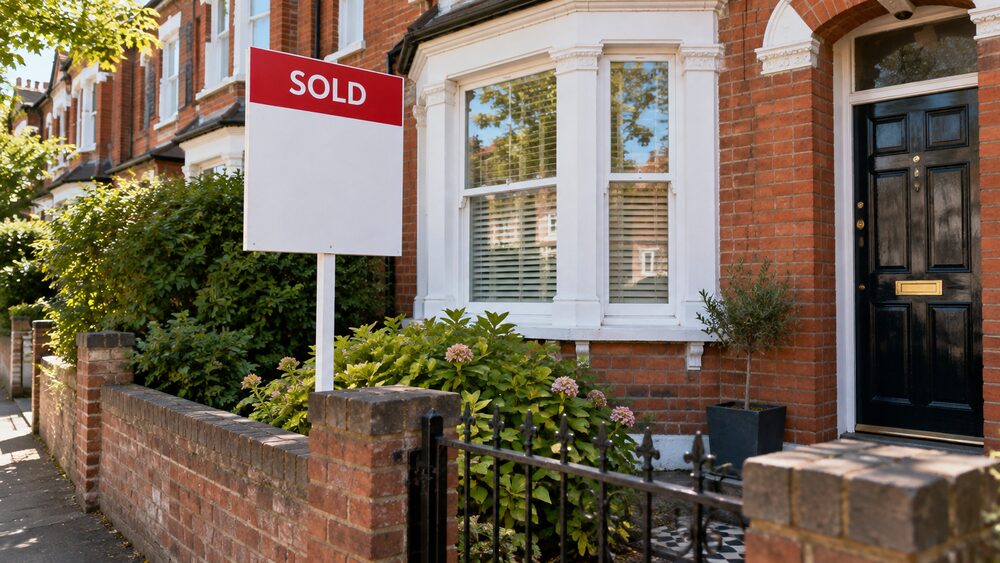
A mortgage repossession hearing is a short court appointment where a judge decides whether your lender can take your home. Hearings take place at a county court and last about 10 minutes1. The judge can let you keep your home if you have a good plan to pay off the arrears, and you have more chance of keeping your home if you attend2.
A mortgage repossession hearing is a short court appointment where a judge decides whether your lender can take your home. Hearings take place at a county court and last about 10 minutes1. The judge can let you keep your home if you have a good plan to pay off the arrears, and you have more chance of keeping your home if you attend2.
Your lender normally needs a court order before it can repossess a home you live in, and it must repossess and evict you before it can sell the property4. Repossession is when a mortgage company takes your home because you have not paid6. Lenders must be fair and reasonable, and repossession should be the last option they consider7.
If you are facing a hearing, free help exists. Court duty help desks operate at some courts, and you can contact your solicitor or a free advice agency when faced with repossession9. The sections below set out what happens in the hearing room, what you can ask the judge for, how selling your home yourself works, and what happens to any money still owed afterwards.
A judge decides whether your lender can repossess your home
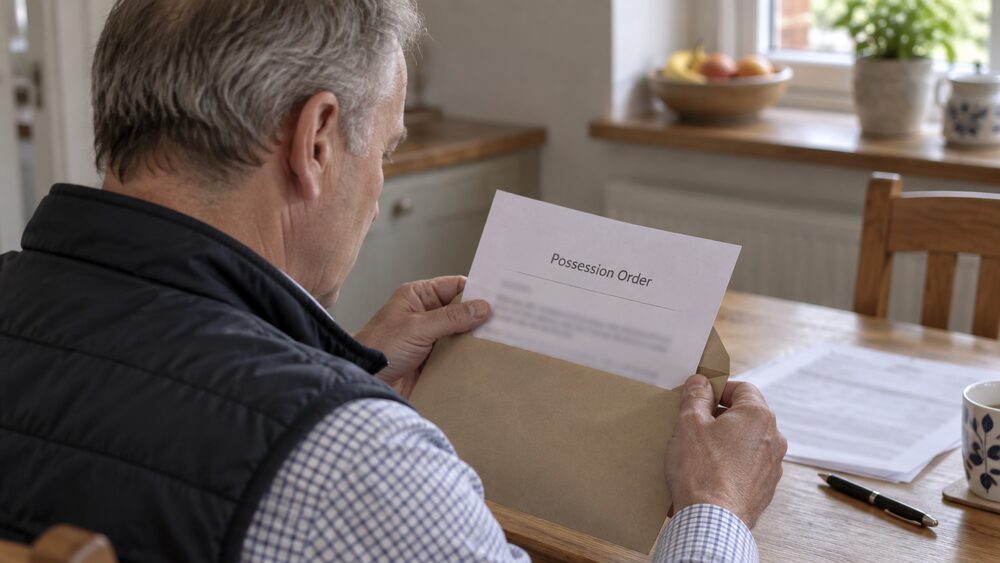
At a court repossession hearing a judge decides if your mortgage lender can repossess your home9. The hearing takes place so that a judge can decide whether you can afford to keep your home15. Homeowners can only be evicted if the court makes a possession order, which it will only do in certain circumstances16.
The hearing usually takes place in a room called chambers, which could be the judge's private room or a courtroom9. Usually the people present are you, your adviser or solicitor, your lender's representative, and the judge11. Hearings take place at a county court1.
The most common reason a lender seeks possession is mortgage arrears, or arrears on another secured loan taken out against your home16. A secured debt is one tied to an asset, so if the property is your home, the lender will normally need a court order to take it4. If you have an interest-only mortgage and the loan has not been repaid by the end of the term, lenders will have the legal right to repossess your home under the conditions of the mortgage17.
Most lenders do not start repossession action until you have missed at least 3 payments12. If you miss your mortgage repayments and cannot agree a repayment plan, your lender might start court action to repossess your home18. Under the Mortgage Charter there is a minimum 12-month period from the first missed payment before there is a repossession without consent13.
What you can ask the judge for at the hearing
The judge can let you keep your home if you have a good plan to pay off mortgage arrears2. You can offer a repayment plan at any stage, including at a repossession hearing19. A court can make a suspended possession order if you can keep to a repayment plan, for example by paying £50 a month on top of the normal mortgage payment5.
If you are a tenant and your landlord's lender is repossessing, you can ask the court to delay eviction either before or at your landlord's repossession hearing, or after the hearing but before the bailiffs come to evict you20. You can use Form N244 to ask the court to delay the eviction20. Take evidence of your tenancy to show the judge, for example your tenancy agreement and bank statements that show your rent payments20. The court may make any postponement, stay or suspension conditional on payments being made to the mortgagee for occupying the property during that period21.
If the lender does not complete the particulars of claim correctly, the judge may not allow them to present any new information at the hearing, and in some circumstances the claim may be dismissed and the lender must reapply, with the borrower not paying the lender's legal costs3. If all the arrears have been cleared by the time of the court hearing, the case will be dismissed, but the lender's legal costs are added to the loan3.
Selling your home yourself instead of repossession
Lenders should give you the chance to sell your home to pay off the debt, and you must be able to show that you are taking active steps to sell22.
If you can show that you have received a better offer from a serious buyer, the courts may be willing to make an order for sale allowing you to sell the property, preventing the lender from selling for a limited amount of time23. In one court case, Palk v Mortgage Services, the lender was ordered to sell the property after repossession rather than rent it out indefinitely, because the rent would not have covered the interest being added to the mortgage24.
If the lender sells instead, your home may be put on the market in the normal way, but some lenders sell repossessed properties at auction23. Lenders must follow Financial Conduct Authority rules and sell your home for the best price that might reasonably be paid, taking into account things like house market conditions25.
Selling yourself can matter for the price achieved. After repossession, your home will usually be sold as quickly as possible, often for less than the market value, meaning you would owe the bank even more than you would have if you had sold the property yourself26.
If the judge makes a possession order: sale and shortfall
Homeowners can only be evicted if the court makes a possession order16. Your mortgage lender has to repossess your home and evict you before it can sell it5.
Once the home is sold, your lender and any other secured debts will use the money to clear your debt with them. You will get any money left over. If the sale does not cover your debt, you may be asked to pay this back15. If the money from the sale of your home is not enough to cover your mortgage debts, you will still owe the outstanding amount to your lender27. If your home is repossessed or you hand over the keys to your lender, you will still be responsible for your mortgage payments until the home is sold23.
There is a wider risk where someone else's property was used as security. In the worst-case scenario, if the lender had to repossess and sell the property for less than the amount remaining on the mortgage, your family member could stand to lose their home28.
How repossession affects your credit rating and future housing
Your house being repossessed will affect your credit rating30. When your home is repossessed it stays on your credit record for up to 6 years14. A repossession stays on your credit report for up to six years and can affect your chances of getting credit from other lenders31.
Repossession will affect your credit rating, which can make it harder to get another mortgage. You may have to pay a larger deposit and a higher interest rate32. If you can get another mortgage, you might have to pay a higher deposit or interest rate30.
It can also affect where you live next. Repossession can affect your housing options, and it might be harder to buy another home or rent privately32. If your home was repossessed because of mortgage arrears, it may be more difficult to find a landlord who is willing to rent to you33. Some private landlords and letting agencies will do affordability and credit checks before renting to you, so repossession can make it harder to get a private rented home32. If you claim Universal Credit after a repossession, sometimes the value of your previous home can affect what you might get14.
Where to get free help
When faced with repossession, contact your solicitor or a free advice agency10. Court duty help desks operate at some courts to help people on the day of a hearing9. Lenders must be fair and reasonable, and repossession should be the last option they consider7. They also have to follow a mortgage pre-action protocol8. Repossession is always a last resort, and lenders only repossess homes as a last resort26.
If you are in Scotland, the Home Owners' Support Fund may be available where your bank or mortgage lender wants to begin repossession proceedings in court35. Your lender may also postpone repossession action if you make a claim on your mortgage payment protection policy36.
Sources36 cited
- Mortgage repossession hearings Shelter England, 2026-08-14
- What to do if your mortgage lender starts court action Shelter England, 2024-07-17
- Possible defences Shelter Cymru, 2026-07-30
- What is secured debt? National Debtline, 2026-09-25
- What happens when a lender sells your home Shelter England, 2026-01-27
- Eviction and repossession StepChange, 2026-09-25
- At risk of losing your home Independent Age, 2026-09-26
- Problems paying your mortgage Independent Age, 2026-09-26
- Court duty help desks Shelter Cymru, 2026-08-28
- When a lender takes action against you nidirect, 2025-09-05
- Repossession hearing Shelter England, 2025-09-03
- How to deal with missed mortgage payments Shelter England, 2026-08-26
- The Mortgage Charter House of Commons Library, 2026-07-08
- Find a home after repossession Shelter England, 2026-06-30
- House repossession StepChange, 2026-09-25
- Going to court Shelter Cymru, 2026-07-30
- How to tackle your interest-only mortgage Which?, 2026-04-02
- Repossession GOV.UK, 2026-09-26
- How to pay off mortgage arrears Shelter England, 2026-08-20
- Ask the court to delay eviction Shelter England, 2026-05-01
- Mortgage Repossessions (Protection of Tenants etc) Act 2010, Section 1 legislation.gov.uk, 2026
- Sorting out mortgage problems Housing Rights, 2026
- Sale by mortgage lender Shelter Cymru, 2026-08-28
- Negative equity Which?, 2026-09-26
- Mortgage arrears National Debtline, 2026-09-25
- Mortgage arrears StepChange, 2026-09-25
- Paying off mortgage debt Shelter Cymru, 2026-08-28
- Guarantor mortgages Which?, 2026-04-02
- Repossession Surviving Economic Abuse, 2024-09
- Losing a home you own Housing Rights, 2026
- How do credit cards work? Post Office, 2026-07-29
- After repossession Shelter Scotland, 2025-06-10
- Accommodation after a repossession Shelter Cymru, 2026-08-28
- Cost of living StepChange, 2026-09-25
- Home Owners' Support Fund: who can apply mygov.scot, 2026-07-14
- Advice to avoid losing your home nidirect, 2025-12-03










 MoneyHelperFree, impartial money and pensions guidance, set up by government
 StepChangeFree debt advice and solutions from a charity
 Financial Ombudsman ServiceFree, independent help when a complaint about a firm is not put right
 Citizens AdviceFree advice on money, consumer and legal problems in England and Wales
 ShelterFree housing advice from a charity