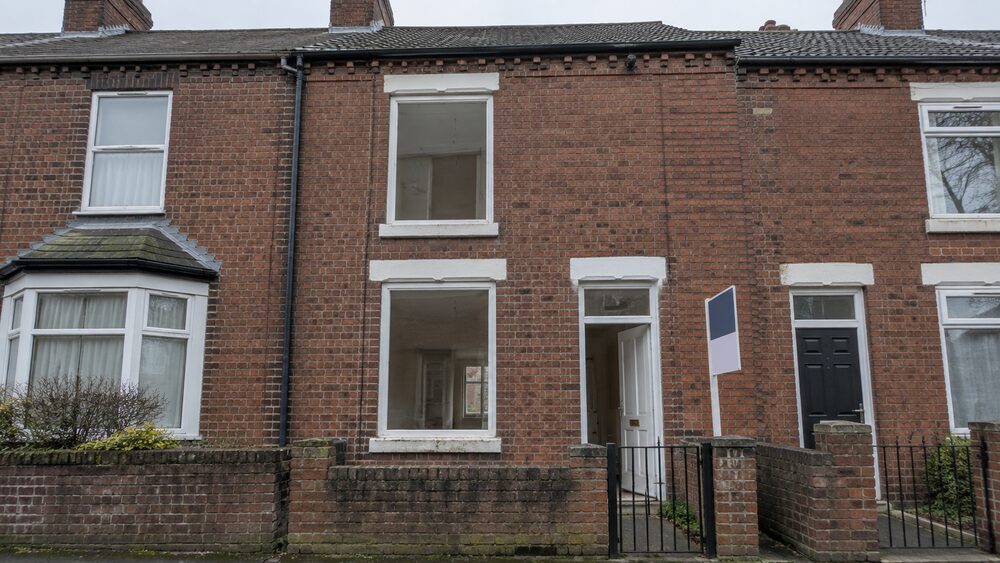
Yes, you can sell a home that is in negative equity, but not on your own terms. If the sale price will not cover what you owe, you need your mortgage provider's agreement to sell, and the lender can stop the sale going through1. Negative equity means owning a home worth less than your mortgage4.
Yes, you can sell a home that is in negative equity, but not on your own terms. If the sale price will not cover what you owe, you need your mortgage provider's agreement to sell, and the lender can stop the sale going through1. Negative equity means owning a home worth less than your mortgage4.
The sale does not wipe the debt. If the money from the sale is not enough to cover your mortgage debts, you will still owe the outstanding amount to your lender5. That leftover is called the mortgage shortfall, and the lender can take legal action against you to recover it even after the property is sold2.
So the practical answer is: selling is possible, usually with the lender's cooperation, but it converts a problem tied to your home into an unsecured debt you still have to pay. Working out the numbers before you speak to the lender is the first step.
Selling in negative equity needs your lender's agreement
The rule is consistent across the guidance: you need your mortgage provider's agreement to sell your home if it is in negative equity1. Shelter Cymru puts it as needing your lender's agreement if you have negative equity2, and Independent Age says you will need permission from your lender if your house is worth less than the amount left to pay3. Citizens Advice states the same for England: you will need to get your mortgage lender's permission to sell the property4.
The reason is straightforward. The mortgage is secured against the property, and the lender's security is the sale proceeds. If those proceeds will not clear the loan, the lender is being asked to release its security and accept a promise to pay the rest instead. It can refuse, and it can stop a sale going through if the sale price will not cover the outstanding mortgage11.
In practice, lenders often agree when there is a credible plan for the shortfall, whether that is savings, a payment arrangement, or a new mortgage on another property. The conversation is easier if you approach the lender before you market the home, with a valuation and a clear figure for what you owe. If you are already behind on payments, the same conversation covers both the arrears and the shortfall, and there is separate help for mortgage arrears.
One point that catches people out: if you own the home jointly, you also need the joint owner's permission to sell the property9. That is a separate consent from the lender's, and both are needed.
Working out whether you are in negative equity
Negative equity is the situation of owning a home that is worth less than your mortgage4. To find out whether that applies to you, you need two numbers: what the home would sell for now, and what you still owe.
For the first, get several valuations of your house to build a fully accurate picture of how much it is worth12. You can ask a local estate agent for a free house valuation, or use property websites to get an estimate7. For the second, ask your lender how much you still owe, then compare the two figures7. Remember that what you owe is not just the original loan: it includes any arrears, fees added to the account, and any other borrowing secured on the home.
A worked example shows how quickly a fall in prices can flip the position. On a £200,000 home bought with a £20,000 deposit and a £180,000 mortgage, a 25% fall in prices would leave the home worth £150,000 even though you still owe the bank £155,000, putting you in negative equity by £5,0008.
The shortfall: covering what the sale does not repay
The shortfall is the debt that remains after the sale proceeds have been used up13. If the property sells for less than you owe, the lender may want you to pay back the rest of the debt, and that is the mortgage shortfall14. Shelter Cymru's guidance is blunt: if the money from the sale of your home is not enough to cover your mortgage debts, you will still owe the outstanding amount to your lender5.
The shortfall can be larger than the gap between the sale price and the mortgage balance. If the sale is being handled by your lender, the debt might also include legal costs and estate agency fees13. That is one reason to sell voluntarily with the lender's agreement rather than waiting for the lender to take possession and sell: you keep more control over the price achieved and the costs incurred.
There is a further risk for anyone who bought with help from a family member. On a guarantor mortgage, if you are forced to sell in negative equity or the home is repossessed, your family member will be liable for meeting the shortfall, which may cost them their own home8.
If the borrower dies, the position passes to the estate. If you jointly owned your home and there is not enough money elsewhere in the estate to pay off the deceased person's debts, the home may have to be sold15. There is more on this in what happens to a mortgage when someone dies.
Costs of selling when you owe more than the home is worth
Selling costs money whether or not you are in negative equity, and those costs come out of the proceeds before the lender is repaid. You may have to pay for your property to be valued, estate agent fees, solicitor fees, and lender fees if you still have a mortgage10. Many estate agents offer free valuations, which reduces one of those costs but not the others10.
Some companies charge a fee to sell a home that is in negative equity16. Anyone offering to take a negative equity home off your hands quickly should be checked carefully: the fee is real, and the shortfall does not disappear because someone else handles the sale.
There is also a limit on how far selling can be used as a debt solution. Selling your home to clear arrears may not be suitable if you are in negative equity, if renting would cost more, or if you are planning an insolvency solution such as bankruptcy17. In other words, selling is not automatically the right answer just because you are behind on payments.
If you are in a shared ownership or similar low-cost home ownership scheme, the rules are different again. Under the First Homes scheme, you can ask your local council for permission to sell at the full market price to any buyer if you have tried unsuccessfully to sell as a First Home for 6 months or more, or if selling it as a First Home will cause you severe difficulties such as bankruptcy18. The council can agree to let you sell on the open market, offer to buy your home at the discounted price, or ask you to keep trying for a further 6 months, after which it must let you sell on the open market18.
Options if you decide not to sell yet
Staying put is a legitimate option. One approach is to keep making your mortgage repayments and wait for equity to build, which is a long-term option for people who are not thinking about moving house19. Negative equity is normally the result of falling house prices19, and prices can recover, though no one can say when.
If you need to move but cannot sell at a price that clears the mortgage, there are a few routes:
- Move with the lender's agreement. A loan provider may agree to you moving with negative equity if you need to, but you will need to take what is left of your outstanding mortgage with you7.
- A negative equity mortgage. A very small number of specialist lenders offer these, enabling you to transfer the negative equity to a new property8. They are rare, and the terms reflect the risk.
- A trade-down product. Some lenders offer a negative equity trade down, where any outstanding negative equity is added to the new loan and secured on the new property, with full capital and interest payments made on the new loan20.
- Rent it out. Renting your home should only be considered after obtaining the permission of your mortgage provider1. See consent to let.
If you are in Scotland and in negative equity, the Home Owners' Support Fund works differently: you will not be able to get help from the Mortgage to Shared Equity scheme, though you may still be able to get help from the Mortgage to Rent scheme21. You can apply to join the Mortgage to Rent scheme even if you are in negative equity22. There is more on this in the Home Owners' Support Fund in Scotland.
If you are considering releasing equity instead, note that equity release is a different product with its own rules, and it is not a fix for negative equity. Products from Equity Release Council members carry the right to remain in your property for life or until you need to move into long-term care, and a no negative equity guarantee meaning you will never owe more than the value of your property when it is sold23. The amount you borrow against the value of your home, plus any rolled-up interest, can never go above the value of the property when it is sold at the end of the plan24. Alternatives to equity release include selling and moving to a cheaper property, borrowing from family or friends, using existing savings or investments, claiming all available welfare benefits such as pension credit, and home improvement grants25.
If your circumstances are more serious, insolvency changes the picture. In bankruptcy, the official receiver may ask you to sell the home if it has equity, may let you keep it if it does not, or could ask you to sell it if the house goes up in value27.
Will negative equity affect my credit score?
Usually not on its own. Negative equity will not necessarily impact your credit score, unless you default on your payments or need to move house and cannot make up the shortfall8. The credit file records missed payments and defaults, not the relationship between your home's value and your mortgage balance.
One thing that does not help: if you choose to sell assets to repay your debt, this will not remove any negative information from your credit file28. Clearing a debt and repairing a credit record are two different processes.
Where to get help
Start with your lender. Help is available if you find yourself in negative equity, and the first step is to contact your lender, who will be able to discuss your options with you29. Lenders have teams for exactly this conversation, and approaching them before you miss a payment gives you more choices.
Free, independent advice is available from debt charities and housing advisers, who can look at your whole financial position rather than just the mortgage. If you cannot resolve a problem with your lender, the Financial Ombudsman Service can look at complaints about mortgage shortfalls13.
If you are in a shared equity or low-cost ownership scheme, the route is different: if you want to remortgage your home under the Open Market Shared Equity scheme in Scotland, you have to contact the registered social landlord or local council who handled the sale30. In Northern Ireland, low-cost home ownership schemes are administered through the Housing Executive and housing associations31.
A short route through the options: lender first, then free debt advice, then the ombudsman if a complaint cannot be resolved.
Sources31 cited
- Housing related debts Advice NI
- Selling your home voluntarily Shelter Cymru, August 2026
- Problems paying your mortgage Independent Age
- Problems with buying and selling a home Citizens Advice, 26 September 2026
- Paying off mortgage debt Shelter Cymru, 28 August 2026
- Sale by mortgage lender Shelter Cymru, 28 August 2026
- Equity release PayPlan, 27 April 2026
- Negative equity Which?, 10 December 2025
- Selling assets to clear debt (England and Wales) Business Debtline, 26 September 2026
- Selling assets to clear debt (Scotland) Business Debtline, 26 September 2026
- Negative equity National Debtline, 25 September 2026
- Negative equity Creditfix
- Mortgage shortfall Financial Ombudsman Service, 26 September 2026
- Mortgage arrears or payment difficulties nidirect, 7 November 2025
- Debt when someone dies nidirect, 26 June 2026
- Sorting out mortgage problems Housing Rights
- Mortgage arrears StepChange, 25 September 2026
- Selling the property GOV.UK, 28 September 2026
- What is negative equity? Lloyds Bank, 27 September 2026
- Alternative repayment options for mortgages AIB (NI)
- Help with your mortgage payments (Scotland) National Debtline, 25 September 2026
- Negative equity (Scotland) National Debtline, 25 September 2026
- How to switch equity release plans Which?, 10 April 2026
- Any risks? Equity Release Council, 26 September 2026
- Equity release tips StepChange, 25 September 2026
- Releasing equity from your home StepChange, 25 September 2026
- IVA or bankruptcy StepChange, 25 September 2026
- Selling assets to clear debt (England and Wales) National Debtline, 25 September 2026
- What is negative equity? HSBC
- After buying mygov.scot, 17 March 2026
- Low cost home ownership schemes nidirect, 18 February 2026










 MoneyHelperFree, impartial money and pensions guidance, set up by government
 StepChangeFree debt advice and solutions from a charity
 Financial Ombudsman ServiceFree, independent help when a complaint about a firm is not put right
 Citizens AdviceFree advice on money, consumer and legal problems in England and Wales
 ShelterFree housing advice from a charity