
A pawnbroker and a payday lender both lend small sums quickly, but they work in opposite ways. A pawnbroker takes something you own as security and holds it until you repay. A payday loan is unsecured: nothing is held, but the cost is capped by law and the loan can only be rolled over twice1.
A payday or pay cheque loan is a short-term, high interest, unsecured loan that you get in return for your pay cheque or proof of your income3. It is normally paid into your bank account and is intended to be repaid when you next receive wages or benefits1. A pawnbroking loan works differently: you allow the creditor to keep hold of goods you own and to sell them if you do not pay the debt back as agreed4.
The two are not really substitutes. Payday loans are described in independent guidance as one of the most expensive ways to borrow2. A pawnbroking loan is secured on your goods, so the risk is losing the item rather than building up an unsecured debt. Which suits a particular situation depends on what you own, how much you need and how quickly you can repay.
Pawnbroker or payday lender: how each one lends
A payday loan is a short-term, high interest, unsecured loan3. It is normally paid into your bank account and is designed to be repaid when you next receive wages or benefits1. Because it is unsecured, nothing you own is held against it, but the lender must satisfy themselves that you can afford the repayments1. Payday loans are unsecured and non-priority debts, which matters if you fall behind: they rank below priority debts such as rent, mortgage or council tax7.
A pawnbroking loan is a different arrangement entirely. It is an agreement where you allow the creditor to keep hold of goods you own and to sell them if you do not pay the debt back as agreed4. The loan agreement sets out the length of the term, traditionally six months, and the rate of interest charged5. The usual repayment period for a pawnbroking loan is six or seven months5.
Pawnbroking is used for everyday essentials. Among pawnbroking customers surveyed in 2020, 51% used the loan for food and groceries and 27% for bills other than rent or mortgage8. It was less commonly used for a special occasion (5%) or socialising (3%)8. Payday loans are a different product: short-term cash loans paid into your bank account, intended to be repaid when you next receive wages or benefits, with usually very high interest rates2. Payday lenders must satisfy themselves that you can afford the repayments4.
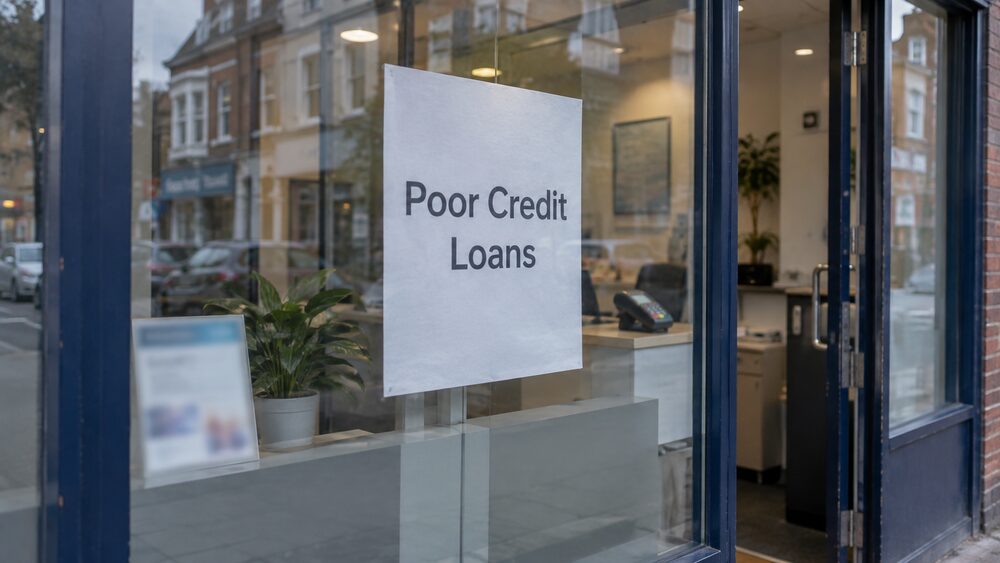
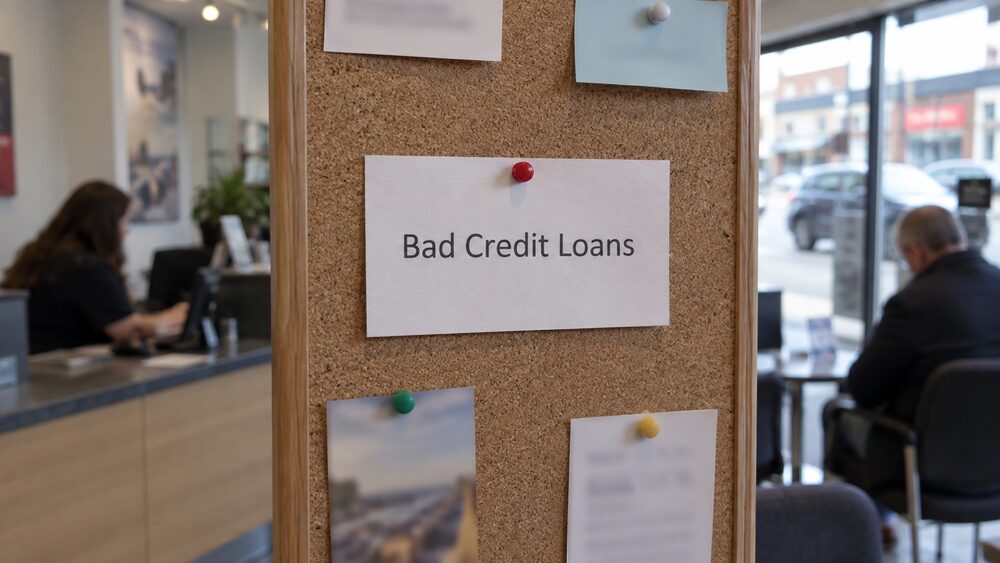
One advantage cited by pawnbroking customers is that it lends to people with a poor credit history5. A further 25% of respondents said the loan being in cash was a reason they chose a pawnbroker, up to three reasons allowed5.
Payday loans are capped by law
The cost of high-cost short-term credit, the category payday loans fall into, is capped. The FCA's cost cap rules took effect on 2 January 2015, capping total charges at the amount of credit, initial charges at 0.8% per day and default charges at £151. The rules apply to agreements entered into on or after that date1.
The cap followed a decision by the FCA to publish final rules for the consumer credit regime, including additional rules for high-cost short-term credit lenders and debt management firms, in April 20149. Product sales data requirements for high-cost short-term and home collected credit lenders were intended to come into effect on 1 October 2014 for fully authorised lenders9.
In July 2017 the FCA published a feedback statement deciding to keep the high-cost short-term credit price cap at its current level, with a review within three years, and announced future work on home-collected credit, catalogue credit and rent-to-own5. As part of its high-cost credit review, the FCA published a report on alternatives to high-cost credit in July 20195.
The cap does not apply to home credit, which was outside it when it came into force in 20155. Payday loans and doorstep lenders are described in independent guidance as expensive and often making your debt worse10.
Online payday lenders must publish their deals on at least one price comparison website, which must be regulated by the Financial Conduct Authority11. Rules requiring neutral ranking, search functionality and market coverage disclosure for high-cost short-term credit price comparison websites came into force in December 201611.
Rolling over a payday loan: two times at most
A payday loan must not be extended, or rolled over, more than twice1. Independent guidance confirms that creditors can only roll over the debt twice under FCA rules7, and that a lender should not roll over your loan more than twice11.
Rolling over is expensive. Five per cent of loans were rolled over four times or more, accounting for 19 per cent of revenue in 2011/128. The Financial Ombudsman Service's payday lending report found that rollovers were the main feature of complaint in 1% (5) of a sample of 353 complaints12.
When a lender rolls over a loan, it must also give you an information sheet telling you where you can get free debt advice11. Separately, if a firm refinances an agreement, it must send out an information sheet with specific warnings about borrowing more money and working out whether the agreement is affordable13. The rule on the information sheet before refinancing high-cost short-term credit was updated on 25 October 202113.
Pawnbroking works differently. Among loans which reached their term, the proportion that were renewed ranged from 15% to 73% depending on the company, based on 2019 loan data5. Among pawnbroking customers surveyed in 2020, 54% of previous customers said they sometimes renew their loans5. Those who said they had fallen behind with some of their bills were 6.5 times as likely to have renewed compared with those keeping up without difficulty5.
What happens if you cannot repay
If you cannot repay a payday loan in full in time, the loan rolls over, your debt escalates and you could get into financial difficulty3. You would owe the outstanding balance plus added interest and extra fees and charges14. A payday lender can raise a county court judgment, or decree in Scotland, against you if you do not repay what you owe14.
Debt collectors acting on behalf of payday lenders have no special powers14. If a creditor harasses you, there are rules on what they can and cannot do15.
With a pawnbroking loan, the consequence is different: the pawnbroker can sell the goods you handed over if you do not pay the debt back as agreed4. That is the security behind the loan.
Other high-cost borrowing carries its own consequences. With a logbook loan, you often pay back more than double what you borrow16. With store finance, your account goes into arrears if you cannot pay back the loan, and will default if you do not make the repayments17. With a weekly payment store agreement, because you do not own the item by law until it has been paid for in full, you cannot use it to take out credit with a pawnbroker or sell it18.
If you have a guarantor loan and the borrower fails to make payments, the guarantor is legally liable to pay back the loan for them19. Guarantor loans can negatively affect both people's credit score if not paid back on time19.
Risk warnings and what lenders must tell you
Payday lenders must check your credit worthiness before they give you a loan, roll over a loan or increase the amount of credit1. They must satisfy themselves that you can afford the repayments1, and they must check that you can afford to repay the payday loan before they give it to you13. Your lender should check you can afford the payments when you take out the loan14.
Before lending, payday loan lenders must make it clear how much it would cost you to repay the loan in total, check your finances and personal situation to make sure you are able to pay back the loan, tell you payday loans should not be used for long-term borrowing or if you are in financial difficulty, and tell you what to do if you have a complaint22. They must also give you written information and a copy of the contract you have signed1.
Credit brokers should tell consumers whether they are a broker or lender, their legal name, the fees to pay and when and how, the details of the loan offered, and whether details might be passed to other companies23.
The FCA has consulted on reviewing financial promotions rules for consumer credit, aimed at lenders, brokers and others undertaking credit-related activities, industry groups and trade bodies, and consumer groups and organisations24. Its policy statement on strengthening protections for borrowers in financial difficulty primarily affects consumer credit lenders, premium finance firms, mortgage lenders and administrators, and firms carrying out activities in relation to consumer hiring, operating an electronic system in relation to lending, or debt collecting25.
Warning signs of an illegal money lender include being offered a cash loan, no paperwork given, huge amounts of interest or APR added, threats, fear of people finding out, and bank cards, benefit cards, passports, watches or other valuables taken21.
Lower-cost alternatives to both
Credit unions are one option. They can be a more affordable alternative to banks or expensive payday loans, sometimes offering cheaper loan rates10. They are listed as an alternative borrowing option to payday loans26. A credit union is not a bank and cannot offer overdrafts, mortgages, electronic banking services and payment methods or business loans in the same way as a bank27.
Other options include budgeting loans, bank overdrafts and salary advances22. A budgeting loan will not be given to you if you are not able to repay it28. Buy now pay later, payday loans and doorstep loans are described as an expensive way of borrowing that can leave you worse off financially29.
For homeowners, secured loans may offer lower interest rates than other types of lending, but if you cannot pay the debt, the lender can apply to the courts and force you to sell your home to get their money back4. Equity release alternatives include selling your property and moving to a cheaper one, using existing savings and investments, making sure you are claiming all available benefits, and home improvement grants30.
Guarantor loans carry serious risks: the cost of the debt can be high and the interest rates can be high32. Lenders need to make sure the borrower can afford the repayments without too much trouble, and must show what checks they did if the loan is complained about as unaffordable33.
Where to get free debt advice
Free, confidential and independent debt advice is available6. There are free advice services that can help34, and free and independent advice organisations exist, such as Advice NI, though some financial advisers charge a fee35.
In Wales, Help to Buy Wales works closely with the debt advice agency PayPlan, though you can use any free debt advice agency36. In Scotland, free advice services can help with money problems34. Carers Scotland warns people to beware of loan sharks looking to take advantage of people in a vulnerable situation37.
If you are struggling with payday loan debt specifically, there is dedicated help2. If you want to complain about a payday loan, there is a process to follow13. The Financial Ombudsman Service can look at complaints about credit broking23 and about guarantor loans33.
Payment protection insurance was sold with loans, credit cards, mortgages and other types of credit too, like car finance or catalogue accounts38. If you were mis-sold PPI, redress rules apply39. There are time limits for complaining about some financial products40.
The Consumer Credit (Disclosure of Information) Regulations 2010 decided that consumers taking out hire purchase or pawnbroking agreements should not have lesser rights than consumers taking out other types of unsecured credit agreements, including a right of withdrawal41.
Sources41 cited
- Payday loans nidirect, 2026-02-25
- Dealing with payday loan debt StepChange, 2026-09-25
- Loans nidirect, 2025-09-30
- Secured loan debt StepChange, 2026-09-25
- Pawnbroking Customers in 2020 University of Bristol, 2020
- More help with money problems mygov.scot, 2025-06-04
- Payday, guarantor and doorstep loans Advice NI, 2026-09-26
- Predatory Finance Responsible Finance, 2026-09-26
- PS14/3 Financial Ombudsman Service, 2014-04-01
- Personal loan debt StepChange, 2026-09-25
- Payday loans Citizens Advice, 2021-03-01
- Payday lending report Financial Ombudsman Service, 2026-09-27
- Payday loans: making a complaint Citizens Advice, 2020-12-21
- Payday loan debt StepChange, 2026-09-25
- Harassment by creditors Citizens Advice, 2026-09-25
- Logbook loan debt StepChange, 2026-09-25
- Store finance debt StepChange, 2026-09-25
- Weekly payment store debt StepChange, 2026-09-25
- Guarantor loans explained MoneyHelper, 2026-09-25
- Dealing with loan sharks nidirect, 2026-09-23
- Illegal lending Consumer Council, 2026
- Same day loan debt StepChange, 2026-09-25
- Credit broking Financial Ombudsman Service, 2026-09-26
- CP26/15: Reviewing financial promotions rules for consumer credit FCA, 2026-04-29
- PS24/2: Strengthening protections for borrowers in financial difficulty FCA, 2024-04-10
- Credit unions StepChange, 2026-09-25
- Credit unions and mutual banks NI Assembly, 2025-01-17
- Budgeting loans Shelter Cymru, 2026-08-29
- Saving money over the summer holidays StepChange, 2026-09-25
- Releasing equity from your home StepChange, 2026-09-25
- Equity release tips StepChange, 2026-09-25
- Guarantor loan debts StepChange, 2026-09-25
- Guarantor loans Financial Ombudsman Service, 2026-09-26
- Where to get help with debts Shelter Cymru, 2026-01-16
- Consolidating debts nidirect, 2025-09-11
- Cost of living Welsh Government, 2026
- Dealing with debt Carers UK Scotland, 2026-09-26
- PPI Financial Ombudsman Service, 2026-09-26
- Ombudsman approach to redress for PPI Financial Ombudsman Service, 2026-09-27
- Time limits for mortgage endowments Financial Ombudsman Service, 2026-09-26
- Consumer Credit (Disclosure of Information) Regulations 2010 legislation.gov.uk, 2010




 MoneyHelperFree, impartial money and pensions guidance, set up by government
 StepChangeFree debt advice and solutions from a charity
 National DebtlineFree debt advice by phone, webchat and online
 Financial Ombudsman ServiceFree, independent help when a complaint about a firm is not put right
 Citizens AdviceFree advice on money, consumer and legal problems in England and Wales