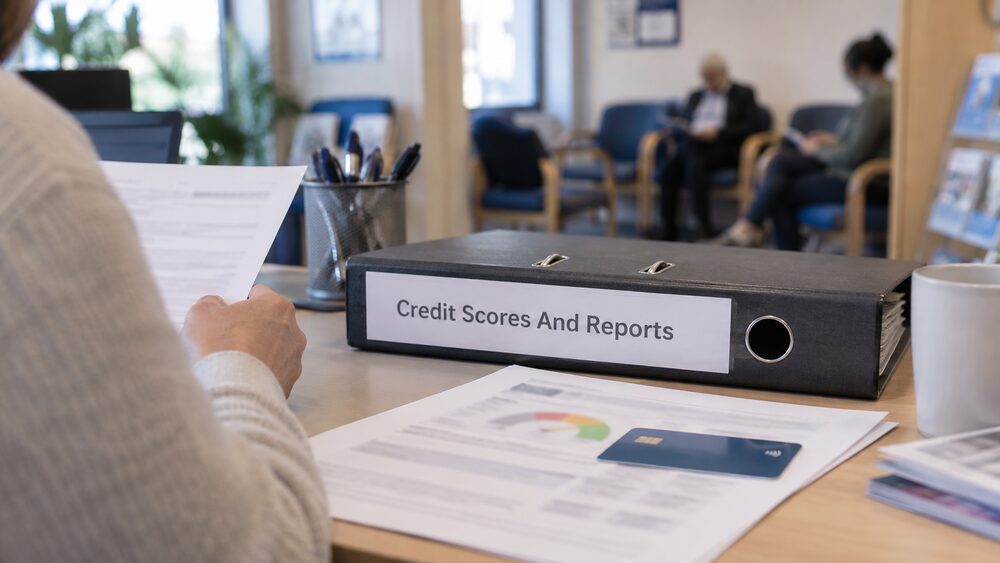
An alias or a linked address on your credit report is a name or an address the credit reference agencies hold alongside your main details. The agencies themselves generate this information, and it includes financial links, linked addresses and alias information1. Seeing one you do not recognise is common, and it is not automatically a problem. It can be an old name of yours, a previous address, or a name a lender recorded slightly differently.
An alias or a linked address on your credit report is a name or an address the credit reference agencies hold alongside your main details. The agencies themselves generate this information, and it includes financial links, linked addresses and alias information1. Seeing one you do not recognise is common, and it is not automatically a problem. It can be an old name of yours, a previous address, or a name a lender recorded slightly differently.
What matters is what sits behind the link. If an unfamiliar name or address is attached to credit you never took out, that is a sign someone may be using your identity, and identity fraud can affect your ability to get credit, such as loans and mortgages2. If it is simply a former name or address of yours, it usually has no effect on your score at all.
The practical steps are the same either way: check your report with all three credit reference agencies, because they may each hold different information about you, and ask for anything wrong to be corrected3. This page explains what these entries are, how they get there, when they point to fraud, and how to get a wrong one removed.
What an alias or address link on your credit report is
Your credit report is built from several kinds of record. Alongside your accounts, the agencies hold the electoral roll, public records, account information, home repossessions, financial associations, previous searches and linked addresses7. The name and address details on it come partly from what lenders share and partly from public sources such as the electoral roll, public records including county court judgments, and bankruptcy and insolvency data2.
An alias is a name the file holds for you beyond your current one. A linked address is an address connected to your record, often a previous one. Experian's own report lists credit account information, address links, aliases, previous searches, electoral roll, notices of correction, financial associates, public information and rental information among its contents8.
These records are not public. They are not visible to the general public, though lenders can search them9. That is the point of them: they let a lender match the person in front of it to a credit history, including under a name or address used in the past.
How aliases and linked addresses get onto your file
Most unfamiliar entries have an ordinary explanation. When you apply for credit, the lender shares details with the agencies, including the address on file, previous addresses you have used and different names you have had10. A maiden name, a name you changed by deed poll, or a middle name used on one account can all appear.
Financial associations are a separate kind of link. They arise from joint credit applications, joint bank accounts or joint financial products, and they continue after divorce or separation11. Where a link exists, lenders can look at the other person's credit history when you apply for credit12. A joint account or a joint loan is the usual route to one.
There are other ways a name or address can attach itself. If you take out credit for another person and the agreement is in your name, any default on it appears on your file2. A debt management plan can also leave its mark, because some accounts default while you are on a plan, and that is recorded on your credit file13. None of these is fraud, but each can produce an entry a reader does not immediately recognise.
Why does my credit report show a previous name I no longer use?
Because the agencies are designed to keep a history, not just a snapshot. When you ask for your statutory credit report you are asked for your full name, any other names you have used or been known by in the last six years, such as a maiden name, your full address including postcode, any other addresses you have lived at in the last six years, and your date of birth2. The report is built to match all of those.
That six-year window is the key. A name you stopped using, or an address you left, can stay linked for as long as records about you are held. It is not an error for an old name to appear; it is the file doing its job of connecting your past and present credit history.
The same logic applies to addresses. A linked address is often simply where you used to live, kept so that a lender searching that address can find you. If you have moved recently, a new address may take time to appear, and the old one may linger. If you want to understand what else sits on the file, see what is on your credit report.
When an unfamiliar alias or address can point to fraud
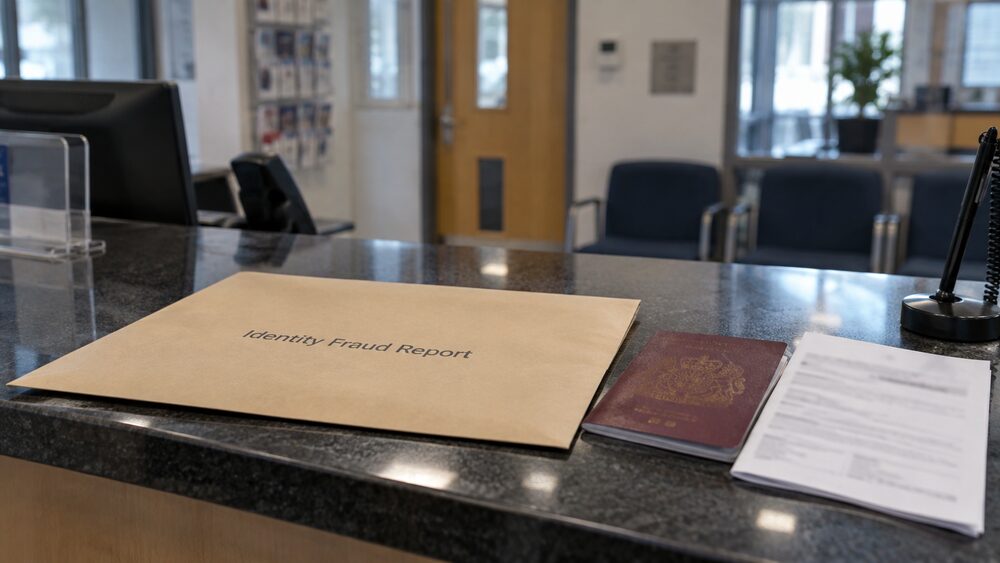
An entry you cannot explain is worth checking, because identity fraud often starts quietly. Using just a few of your personal details, criminals can apply for bank accounts, credit cards, benefits and official documents in your name14. They can take out credit in your name, such as a loan or credit card, take money from your bank account, apply for benefits in your name, buy goods in your name, or obtain documents such as a driving licence or passport in your name6.
The warning signs are specific. Watch for items you do not recognise on your bank or credit card statement15, credit cards arriving in the post you did not apply for16, unusual payments or direct debits on your statements, important mail going missing, recycling bins and rubbish bags being tampered with, bills arriving for things you have not bought, and new credit cards appearing on your credit record14.
If you find an unfamiliar alias or address link, the first question is whether anything is attached to it. A name alone, with no account behind it, is usually a data quirk. A name or address with credit you did not apply for is a different matter, and it is worth acting on quickly. Our page on identity fraud and your credit file covers the wider picture.
Getting a wrong alias or address link removed
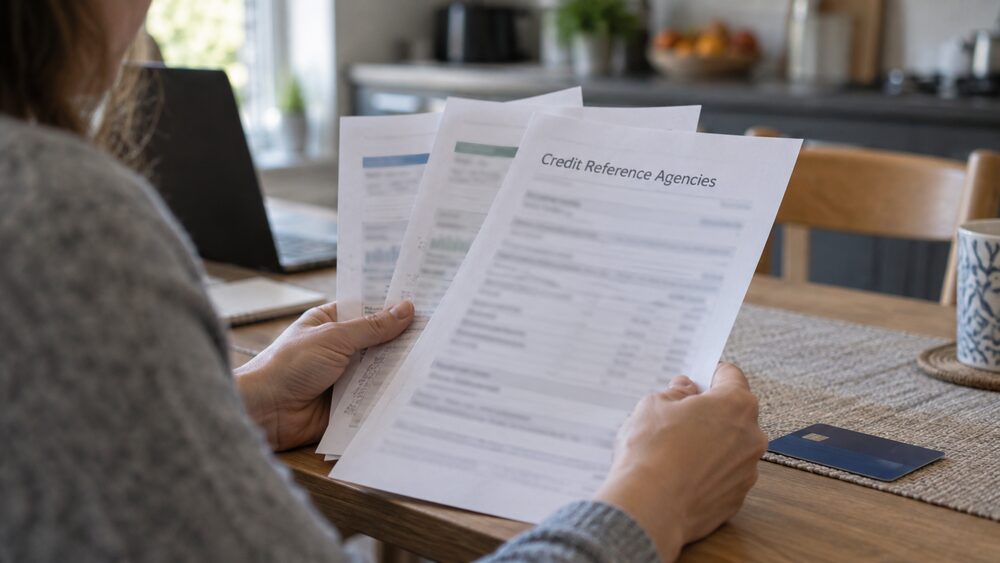
Start by getting your report from all three agencies. There are three credit reference agencies, Experian, TransUnion and Equifax, and they may each hold different information about you3. Not all lenders report to credit reference agencies, and some lenders may only report to one or two of them, so checking all three is the way to be sure you have covered everything18.
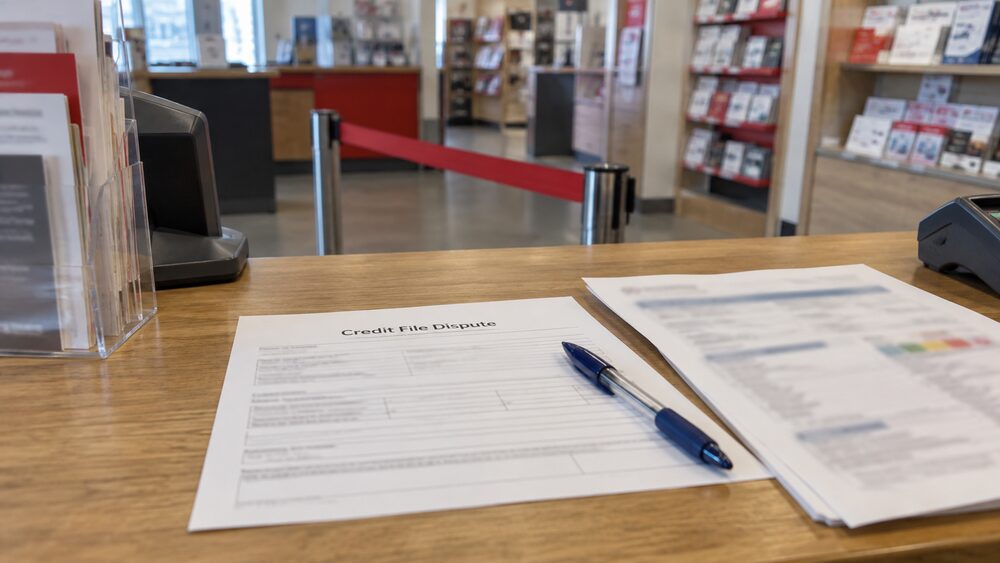
Once you have identified the wrong entry, contact the agency holding it. For a financial association you want removed, the process is to contact one of the credit reference agencies to remove the link11. For a debt that is not yours, the route is to contact the credit reference agencies to get it removed from your credit file19. If you are refused credit, you have a right to ask whether the finance company used a credit reference agency, and it must give you the agency's name and address20.
The agency then has a deadline. The CRA should remove the information or explain why it will not within 28 days4. If you have asked for a copy of your report, it should be sent to you within seven working days unless the agency needs you to send proof of your identity and address5.
Adding a note while a dispute is sorted out
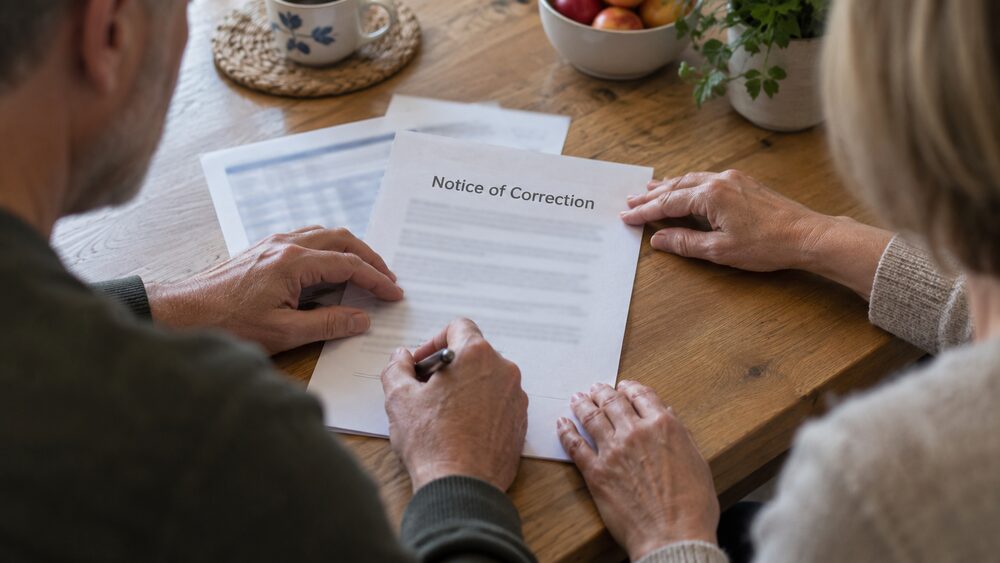
If you want the file to show your side of the story, you can add a note. You can ask the credit reference agency to put a notice on your report of up to 200 words explaining why you got into debt5. Consumers may ask to submit a notice of correction to explain the circumstances, though credit reference agencies will not remove adverse information if it is correct4.
While a dispute is being checked, the agency will usually add a short note to your credit report explaining that the entry is disputed21. That note sits alongside the entry rather than replacing it, so a lender reading the file sees both.
You can also add a note to say why you did not pay a debt or that you are in dispute with a creditor about a debt22. This is useful where the entry is accurate but the circumstances matter. For more on how these notes work and how they differ from a dispute, see notice of correction and notice of correction vs raising a dispute.
Do I need to contact each credit reference agency separately?
Yes. Each agency gets different information from lenders, so your credit file may not look the same at each one23. They do not always have the same information about your credit score22. Checking with all of them means you do not miss anything24.
This matters most when you are correcting something. If a wrong address link sits at one agency but not another, correcting only the one you happened to check leaves the others untouched. There are three credit reference agencies, Experian, TransUnion and Equifax, and they may each hold different information about you25. Each gets different information from lenders, so credit files may not look the same, and not all lenders report to all of them: some report to only one or two25. A notice of correction can be added to a credit report by contacting each of the three agencies25.
The three agencies are Experian, TransUnion and Equifax3. Our guide to the UK credit reference agencies explains what each one holds and how to get your report from them. If you want to know how to check without paying, see how to check your credit report for free.
Where to get help if someone has used your identity
If your identity has been used, there are several places to turn. Request a copy of your credit file to check for any suspicious credit applications15. Contact Cifas, the UK's Fraud Prevention Service, to apply for protective registration15. A Cifas marker may be added to your credit file to warn lenders that your identity has been compromised26. For a fee, a fraud warning can be placed against your address and will be flagged up if someone applies using your address5.
Report the fraud. Contact Report Fraud, the service formerly called Action Fraud, using its online reporting tool19. Note that if you report identity fraud, Report Fraud will create an information report instead and will not provide a crime reference number, though it will still assess your case6. The service is now called Report Fraud, formerly Action Fraud27.
Keep checking. Regularly check your credit card and bank statements for suspicious activity and monitor your credit report15. If you are struggling with debts that are not yours, free and impartial help is available from StepChange and National Debtline, and from Citizens Advice. Our pages on identity fraud and your credit file and Cifas markers and Protective Registration go into more detail.
Sources27 cited
- Credit and your data rights Information Commissioner's Office, 2026-09-25
- Credit Information Commissioner's Office, 2026-09-25
- Work out what you owe StepChange, 2026-09-25
- Credit reference agencies and your data House of Commons Library, 2026-09-26
- Credit reference agencies National Debtline, 2026-09-25
- Dealing with fraud National Debtline, 2026-09-25
- How lenders decide whether to give you credit Citizens Advice, 2026-09-25
- Experian data access Experian, 2026
- Public information about debt StepChange, 2026-09-25
- Can I avoid my debts? StepChange, 2026-09-25
- What happens to debts when you get divorced National Debtline, 2026-09-25
- How joint debts affect me StepChange, 2026-09-25
- Interest, creditor contact and DMP StepChange, 2026-09-25
- Protect your identity nidirect, 2025-10-28
- Identity theft Information Commissioner's Office, 2026-09-25
- What are the warning signs Experian, 2026
- What is identity theft Which?, 2026-01-06
- Can you get a mortgage with a debt management plan National Debtline, 2026-09-25
- Debts not in my name StepChange, 2026-09-25
- Your non-priority debts Business Debtline, 2026-09-26
- Notice of correction Experian, 2026
- How to rent with a poor credit history Shelter England, 2026-05-01
- Finding who I owe money to StepChange, 2026-09-25
- Reduced income guide StepChange, 2026-09-25
- How to get a mortgage with CCJs Which?, 2025-08-20
- Types of scam MoneyHelper, 2026-09-25
- Scams glossary Which?, 2026-07-22





 MoneyHelperFree, impartial money and pensions guidance, set up by government
 Financial Ombudsman ServiceFree, independent help when a complaint about a firm is not put right
 Citizens AdviceFree advice on money, consumer and legal problems in England and Wales
 StepChangeFree debt advice and solutions from a charity
 GOV.UKOfficial information on tax, benefits and government services