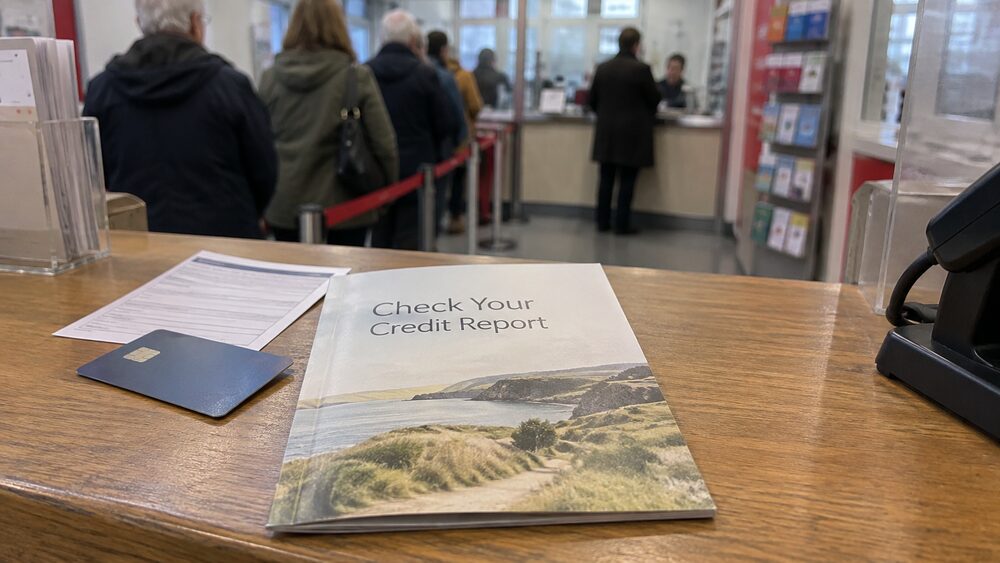
The short answer is that you can check your credit report as often as you like, and doing so never harms your score. Most guidance settles on checking all three credit reference agencies at least once a year, and always before you apply for new credit. Experian and Equifax both say to check your report with each of the three major agencies at least once a year and definitely before you apply for new credit1.
The short answer is that you can check your credit report as often as you like, and doing so never harms your score. Most guidance settles on checking all three credit reference agencies at least once a year, and always before you apply for new credit. Experian and Equifax both say to check your report with each of the three major agencies at least once a year and definitely before you apply for new credit1.
If you are actively building or repairing your credit, a more frequent look helps. Some guidance suggests checking every few months, and one support article says it is best to check your credit file every few months3. The point of checking is not the number itself but what you find: errors, unfamiliar accounts, or a missed payment you did not know about.
Check at least once a year, and before you apply for credit
The annual check is the floor, not the target. Experian's own guidance says it is a good idea to check your report annually, and its factsheet goes further, recommending a check with each of the three major agencies at least once a year and definitely before you apply for new credit1. Equifax gives the same instruction2. Post Office's guide says to review your report held with each agency regularly, at least once a year11.
The "before you apply" part matters more than the calendar. When you apply for credit, the lender runs a search and sees your file as it stands. If there is an error, a fraud marker or a debt you had forgotten, you find out at the worst moment, when a declined application is already on your record. Checking first gives you the chance to fix a problem or to choose a different product.
There is a second reason to look regularly: spotting fraud. Government guidance says checking your credit report regularly can help you spot any suspicious activity, giving you a chance to report it before it goes too far12. The Information Commissioner's Office makes the same point, advising people to monitor their credit report and check statements for anything unfamiliar13.
Checking your own report does not harm your score
This is the single most common worry, and the answer is clear. Which? says you can check your score as often as you like without doing any harm4. HSBC says you can check your credit report as often as you like and it will not affect your credit score5. Experian states that checking your own score and report as many times as you like will never have a negative impact14, and StepChange agrees that you can check your own credit score without hurting it15.
What does affect a score is a hard search, the kind a lender runs when you actually apply for credit. StepChange notes that a lot of checks in a short amount of time can reduce your score15, and Which? says multiple hard searches, particularly within a short period, can lower your credit score4. The distinction is between you looking at your own file, which is invisible to lenders, and a lender looking at it because you applied.
Three credit reference agencies, three different reports
There is no single credit report in the UK. There are three credit reference agencies, and they may each hold different information about you6. The three biggest are Experian, Equifax and TransUnion7. Each agency gets different information from lenders, so your credit file may not look the same at each one16.
That is why checking one is not enough. StepChange says it is worth checking your credit file with all three agencies because they keep different records, so this is the way to check you have covered everything6. Another guide puts it simply: check with all of them so you do not miss anything17.
You have the legal right to check your report for free with all three main agencies4. Each agency offers a statutory report, and each also offers a free or paid service with a score attached. The free statutory report gives you the file itself; the scored services add a number and often monitoring.
| Agency | What it holds | How to see it free |
|---|---|---|
| Experian | Its own record, built from lenders that report to it | Statutory report or free scored account10 |
| Equifax | Its own record, which may differ from the others | Statutory report or free scored account18 |
| TransUnion | Its own record, which may differ from the others | Free scored account through partners7 |
What to look for when you check
A credit report is not just a score. When you open it, work through the sections in order and look for anything that does not match what you know.
- Accounts you do not recognise. This is the main fraud signal. Government guidance says checking your report regularly helps you spot suspicious activity before it goes too far12.
- Missed or late payments. These are recorded and stay for years. StepChange notes that missed payments, defaults and court judgments stay on your file for six years8.
- Wrong personal details. An old address or a name you do not use can link you to someone else's file.
- Hard searches you did not authorise. A search you did not apply for can be a sign someone is using your identity.
- Your electoral roll entry. Which? notes that not being on the electoral roll negatively affects your score regardless of the agency4.
If you find something wrong, you can ask the agency to correct it. StepChange says a correction may take up to 30 days, though timings differ depending on which agency you use8. For entries you dispute, you can also ask for a notice of correction to be added to your report19.
Scores update monthly: when more frequent checks help
Scores and reports do not change in real time. Experian says your score updates every 30 days if you log in20. Equifax's basic service says the credit score is updated monthly18. Free online credit reports from ClearScore, Credit Karma and Money Saving Expert Credit Club are updated monthly17.
That monthly rhythm sets a sensible pace. Checking more often than the data changes tells you nothing new. Checking every few months is enough for most people, and one support article recommends exactly that: check your credit file every few months3. If you are using a credit builder card, StepChange suggests using a soft search every few months to see if your card use is improving your rating21.
More frequent checks help in specific situations:
- You are about to apply for a mortgage, loan or card. Check all three first, so you know what the lender will see.
- You have been a victim of fraud. Monitor closely until the problem is resolved.
- You are on a debt solution or rebuilding after problems. Monthly checks show whether your habits are working.
- You have just corrected an error. Check again after the correction window to confirm it has gone through.
Why your score differs between agencies
If you check all three and get three different numbers, nothing has gone wrong. There is no industry standard for credit scores, so each agency may hold slightly different information about you22. Each agency gets different information from lenders, so your file may not look the same16. Shelter notes that agencies do not always have the same information about your credit score23.
There is also no universal credit score. Which? states plainly that there is no such thing as a universal credit score, and each lender has its own system4. A lender does not see the number an agency shows you; it applies its own criteria to the data on your file. That is why two people with the same score can get different decisions, and why a score is a guide rather than a verdict.
Some things affect your score regardless of which agency you look at. Which? gives two examples: not being on the electoral roll, and making a late payment4. Those are worth fixing first, because they follow you across all three files.
Should I check my credit report before renting a home?
Yes, and it is worth doing before you start viewing properties. Landlords and letting agents may run a credit check when you apply to rent, and they need your permission to do so8. Some landlords and rental companies do credit checks and may not rent to you if you have bad credit24.
Checking your own report first lets you see what a landlord will see. If there is an error, you have time to correct it. If there is a genuine problem, you know before you apply, and you can look at options such as a guarantor or a larger deposit. Shelter's guidance on renting with a poor credit history sets out the routes available23.
The same logic applies to mortgages. Lenders run a credit check on each applicant before granting a mortgage, and if one party has a poor credit score it could affect the lender's decision25. If you are applying jointly, both files matter.
How long it takes to improve your score
There is no single answer, because it depends on what you are fixing. For someone who has never officially borrowed before, Which? says it takes six to 12 months of paying on time to improve a credit score26. That is the timescale for building a history from nothing.
Correcting an error is faster. StepChange says a correction may take up to 30 days, though timings differ by agency8. Negative entries take longer to clear. Missed payments, defaults and court judgments generally stay on your credit file for six years8. Some sources say missed, late or partial payments are recorded for at least six years9.
Where to get free help
Checking your report is free, and so is advice about what to do with what you find. MoneyHelper offers free, impartial guidance on banking and credit28. StepChange and National Debtline provide free debt advice, including help understanding what is on your file and what your options are15. Citizens Advice and Advice NI offer similar support17.
If you find something on your report that looks like fraud, report it. The Information Commissioner's Office explains how to protect yourself after identity theft13, and Experian sets out what to do if you are a victim29. Acting quickly limits the damage.
Sources29 cited
- Understanding credit information Experian, 2026
- Understanding your credit information Equifax, 2026
- How to improve credit score Monzo, 2026
- How to check your credit score for free Which?, 2025
- How to check your credit report HSBC, 2026
- Work out what you owe StepChange, 2026
- Bad credit mortgages Which?, 2025
- Mortgage arrears StepChange, 2026
- Getting credit card debt written off National Debtline, 2026
- Statutory report Experian, 2026
- Credit score guide Post Office, 2026
- Protect your identity nidirect, 2025
- Identity theft Information Commissioner's Office, 2026
- Credit myths Experian, 2026
- Credit score StepChange, 2026
- Finding who I owe money to StepChange, 2026
- Credit reports and credit reference agencies Advice NI, 2026
- Statutory report Equifax, 2026
- Getting ready for advice National Debtline, 2026
- How to check my credit score Experian, 2026
- Credit cards and bad credit score StepChange, 2026
- New rules for mortgages Barclays, 2026
- How to rent with a poor credit history Shelter England, 2026
- Debt collection StepChange, 2026
- How to improve your credit score Which?, 2025
- How does debt affect a credit file StepChange, 2026
- Credit checks Shelter England, 2026
- How to open, switch or close your bank account MoneyHelper, 2026
- What to do if you are a victim of identity theft Experian, 2026









 MoneyHelperFree, impartial money and pensions guidance, set up by government
 Financial Ombudsman ServiceFree, independent help when a complaint about a firm is not put right
 Citizens AdviceFree advice on money, consumer and legal problems in England and Wales
 StepChangeFree debt advice and solutions from a charity
 GOV.UKOfficial information on tax, benefits and government services