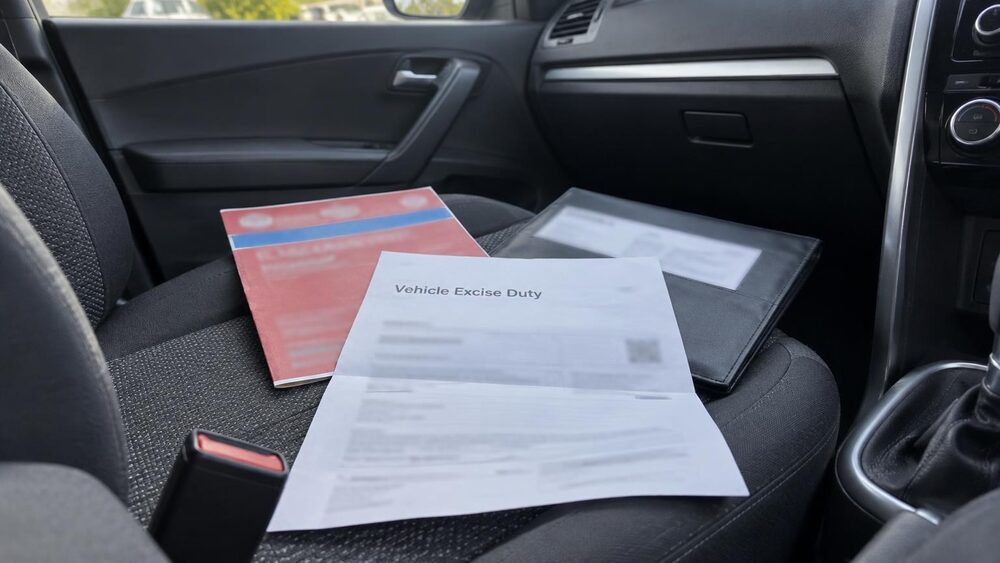
Vehicle Excise Duty (VED) rates for cars first registered on or after 1 April 2017 take effect from 1 April 2026, HM Revenue & Customs has confirmed. The flat annual rate for these cars rises from £195 to £2001. The government's published rates and allowances state that "the changes to VED rates to take effect from 1 April 2026 are set out in the following tables"2.
The £200 rate applies to all fuel types, including electric vehicles, which lost their tax-free status in April 20251. Cars with a list price of more than £40,000 must also pay a £440 annual supplement for five years, bringing the total to £640. Following the Autumn Budget 2025, the threshold for electric vehicles has increased to £50,000, meaning fewer EV owners are affected1. Drivers who pay monthly face a total annual cost of £210, due to a 5% surcharge1.
The change sits alongside other motoring cost pressures reported for 2026. The average cost of car insurance in the UK has dropped by £66 in the past 12 months, to £711, the lowest price recorded in almost three years, according to Confused.com's price index based on more than 6 million quotes3. However, the same data shows prices for some drivers have started to rise: those aged 49, 70 and 71 and over saw increases of £12 (2%), £13 (3%) and £9 (2) respectively in the past three months, while Northern Ireland, Falkirk and Chelmsford recorded the biggest regional increases, of £41 (5%), £33 (6%) and £16 (3%)3. Northern Ireland was the only area to see an annual increase, with drivers there paying £947 on average, a rise of £114 or 14% year on year3.
Confused.com also reports that from September, the freeze on fuel duty, currently capped at 5p, is set to be reversed, meaning fuel duty will rise each year with inflation3.
"This, alongside fuel and tax costs increasing this year, will mean more financial pressure for drivers."
Why it matters for households
Drivers of cars first registered on or after 1 April 2017 pay £5 more a year from 1 April 2026, taking the standard rate to £2001. The same rate applies to petrol, diesel and electric cars1. Households with a car listed at more than £40,000 pay the £440 supplement on top, giving a total of £640, unless the vehicle is an electric car priced below the £50,000 threshold that now applies to EVs1. Paying by monthly instalments adds a 5% surcharge, taking the annual total to £2101.
The VED change is one of several April 2026 cost changes reported by Which?, which notes that the annual energy bill for a typical household is set to fall by £117 from 1 April 2026 following a reduction in the Ofgem price cap, bringing the average annual bill for households on standard variable tariffs to £1,641, down from £1,7581. Average water bills in England and Wales rise by 5.4% (£33), taking the typical annual bill to £639, while in Scotland bills increase by an average of £42 (8.7%) to £5321. The TV licence fee rises from £174.50 to £1801. Council tax rises vary: many local authorities are raising bills by the maximum 4.99% without a referendum, comprising a 2.99% rise for general services and a 2% adult social care precept, while North Somerset and Shropshire have put forward rises of 8.99% and Worcester is proposing 8.98%1. In Wales, rises range from 3.75% in Blaenau Gwent to 5.5% in the Vale of Glamorgan, and in Northern Ireland domestic rates rises range from 1.96% in Fermanagh and Omagh to 4.5% in Ards and North Down1.
For households with income from savings or dividends, the government's rates tables show the dividend ordinary rate rising from 8.75% to 10.75% and the dividend upper rate from 33.75% to 35.75% for 2026 to 2027, while the dividend additional rate stays at 39.35%2. The Personal Savings Allowance remains £1,000 for basic rate taxpayers and £500 for higher rate taxpayers, and the starting rate for savings stays at 0% with a £5,000 limit2. The Personal Allowance remains £12,5702. National Insurance rates for employees and the self-employed are unchanged for 2026 to 2027, though the Lower Earnings Limit rises from £125 to £129 a week and Class 3 voluntary contributions rise from £17.75 to £18.40 a week2. Further detail on contributions is set out in our guide to National Insurance, and our tax section covers the wider rates and allowances.
What happens next
The VED changes take effect from 1 April 20262. Confused.com reports that the fuel duty freeze is set to be reversed from September3. Which? reports forecasts suggesting the energy price cap could rise by around 10% in July, taking a typical bill to roughly £1,8011.

 GOV.UKOfficial information on tax, benefits and government services
 MoneyHelperFree, impartial money and pensions guidance, set up by government
 Citizens AdviceFree advice on money, consumer and legal problems in England and Wales
 Turn2usFree benefits calculator and grants search from a charity
 Citizens Advice ScotlandFree advice across Scotland