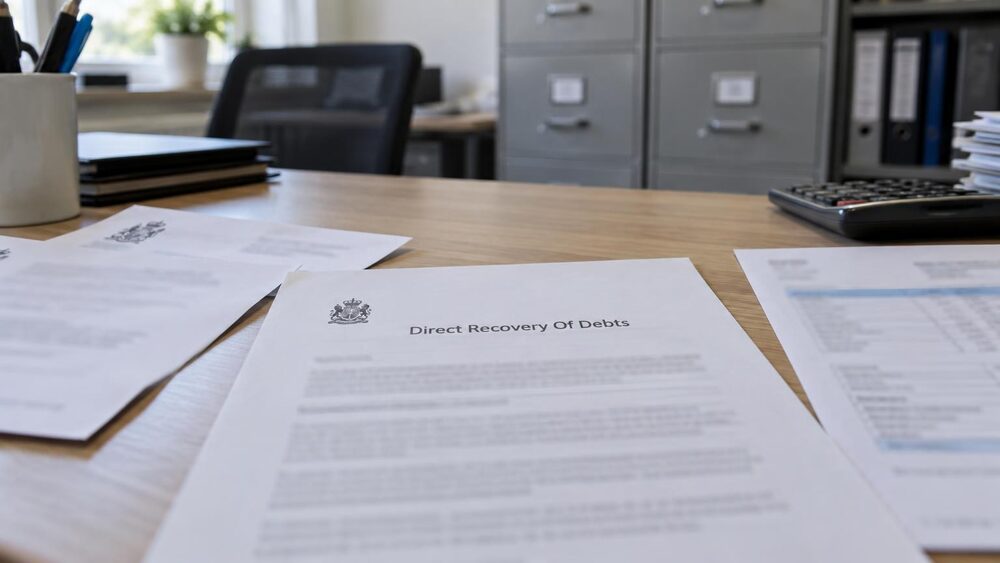
HM Revenue & Customs is rolling out Direct Recovery of Debts (DRD) to more customers from April 2026 onwards, after restarting the power in a controlled "test and learn" phase in September 20251. The government announced in the Spring Statement 2025 that HMRC would re-start the use of DRD for individuals and businesses who choose not to pay the tax they owe1.
DRD allows HMRC to recover money owed by requiring banks and building societies to pay HMRC directly from a current or savings account, including a Cash Individual Savings Account, held by a customer in debt to HMRC1. The power was used only 19 times in two years before being paused during the COVID-19 pandemic1. In 2024 to 2025, HMRC brought in £858.9 billion in tax, of which about 90% was paid on time, with the rest becoming a debt1.
"HMRC paused the use of DRD during the COVID-19 pandemic and in September 2025 re-started its use in a controlled 'test and learn' phase"
The briefing sets out safeguards. HMRC says it will only consider DRD where tax and tax credits debts exceed £1,000, and will always leave a minimum of £5,000 in the customer's accounts1. Every individual in debt, as opposed to a company or limited liability partnership, will receive a face-to-face visit from HMRC agents before their debt is considered for recovery through DRD; customers registered as a company or LLP will not usually receive such a visit1. Action is only taken against those with established debts who have passed the timetable for appeals and have repeatedly ignored attempts at contact1.
| Safeguard | Detail |
|---|---|
| Minimum debt | Tax and tax credits debts of more than £1,0001 |
| Money left in account | Minimum of £5,000 always left1 |
| Face-to-face visit | Every individual, not companies or LLPs1 |
| Objection window | 30 days from HMRC confirming a hold on funds1 |
| Appeal route | County court on specified grounds, including hardship and third-party rights1 |
Customers have a 30-day window to object from when HMRC confirms it has put a hold on the relevant funds in their account; money stays within the bank and no funds are transferred until that period has passed, with decisions on objections made within 30 days1. If HMRC rejects an objection, customers can appeal to a county court on specified grounds, including hardship and third-party rights1. Where a customer is identified as needing extra support, DRD activity in progress will be stopped and they will be offered help; if they do not engage with the Extra Support Team, or the team decides support is no longer needed, normal debt recovery processes resume, which may include DRD1. HMRC says statistics will be published on how often the power is used and how many appeals are raised1.
Why it matters for households
From April 2026, more people who owe tax and have not paid it can have money taken directly from their current or savings accounts, including cash ISAs, rather than through other recovery routes1. The change applies to individuals and businesses with established tax and tax credits debts above £1,000 who have not appealed in time and have not responded to HMRC contact1. The £5,000 minimum balance means smaller balances are not swept, and the 30-day objection window runs from the point HMRC confirms a hold on the funds, during which the money remains in the bank1. For individuals, a face-to-face visit comes first; companies and LLPs are not usually visited but are given multiple opportunities to resolve the debt before HMRC contacts their bank or building society1. HMRC also operates Time to Pay payment plans, which it says see 9 in 10 agreements completed, and an extra support team for customers whose health or circumstances make contacting HMRC difficult1.
What happens next
The rollout to more customers runs from April 2026 onwards1. HMRC has not reported a closing date or a list of which customer groups will be brought in at each stage. The briefing was updated on 11 June 20261.
 GOV.UKOfficial information on tax, benefits and government services
 MoneyHelperFree, impartial money and pensions guidance, set up by government
 Citizens AdviceFree advice on money, consumer and legal problems in England and Wales
 Turn2usFree benefits calculator and grants search from a charity
 Citizens Advice ScotlandFree advice across Scotland