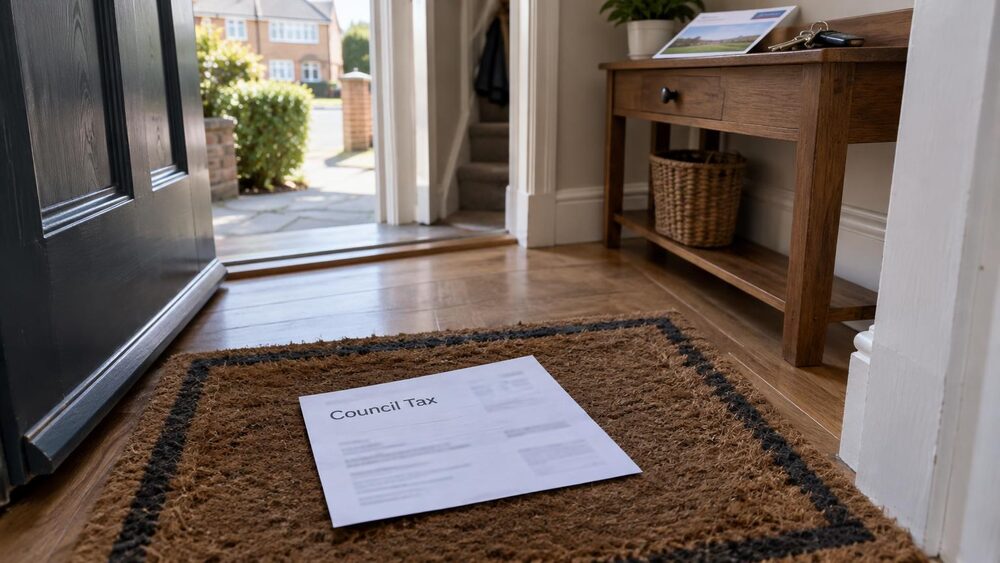
Most councils in England can raise council tax by up to 4.99% without holding a local referendum, and the majority of local authorities in England and Wales have increased bills by that maximum amount, according to reporting published on 8 April 20261. For a typical band D property, that means an increase of about £100 a year, although some areas will see more2.
Six councils in London and the south east have been given government approval to increase rates by more than 4.99%, to offset changes to how funding is distributed1. They are Wandsworth, Westminster, Hammersmith and Fulham, City of London, Kensington and Chelsea, and Windsor and Maidenhead1.
Separately, property values from 2026 will be used to calculate a high-value council tax surcharge from April 20281. The surcharge will apply to different value bands1:
| House value | Surcharge |
|---|---|
| £2m to £2.5m | £2,500 |
| £2.5m to £3.5m | £3,500 |
| £3.5m to £5m | £5,000 |
The government has said it will consult on exemptions, reliefs and support for people who may struggle to pay before the surcharge is introduced1.
April 2026 also brought other household bill changes. The UK standard annual colour TV licence fee went up by £5.50, from £174.50 to £180 a year, from 1 April 20262. The average annual water and sewerage bill rose by £33, a 5.4% jump from last year, pushing the typical annual charge to £639 according to industry body Water UK2. Broadband customers have seen typical package costs rise by £3 to £4 a month, and most mobile contracts by around £1.50 to £3 a month, depending on provider and tariff2.
Energy moved the other way. The price cap set by Ofgem fell slightly on 1 April, reducing the typical annual bill from £1,758 to £1,6412. The new cap was calculated and announced in February, before the escalation of the conflict in the Middle East, and the war has pushed up wholesale energy costs, meaning the next price cap, for July to September, will be higher2.
"The majority of local authorities in England and Wales have increased council tax bills by the maximum amount allowed without holding a referendum, typically 4.99%."
Why it matters for households
Council tax is a bill most households in England and Wales pay, and the 2026-27 increases took effect from 1 April 20261. The size of the rise varies by authority and by property band, so the cash amount differs from one area to another; the roughly £100 figure applies to a typical band D property2. Households in the six named councils face increases above the 4.99% threshold that applies elsewhere in England1.
The high-value surcharge is a separate, later change: it is calculated using property values from 2026 but does not apply until April 2028, and the government has said it will consult on exemptions, reliefs and support before it is introduced1. It has not been reported how the surcharge will interact with existing discounts or reductions.
Alongside council tax, the TV licence fee, water bills, broadband and mobile costs all rose this April, while the energy price cap fell for this quarter2. The next energy price cap, covering July to September, is expected to be higher2.
What happens next
The next Ofgem price cap, for July to September, will be higher than the current one, according to reporting on 8 April 20262. The government has said it will consult on exemptions, reliefs and support for people who may struggle to pay the high-value council tax surcharge before that surcharge is introduced in April 20281.
Sources2 cited
- 11 tax changes to know about in 2026 - Which? which.co.uk
- How to beat the ‘awful April’ price rises yourmoney.com
 GOV.UKOfficial information on tax, benefits and government services
 MoneyHelperFree, impartial money and pensions guidance, set up by government
 Citizens AdviceFree advice on money, consumer and legal problems in England and Wales
 Turn2usFree benefits calculator and grants search from a charity
 Citizens Advice ScotlandFree advice across Scotland