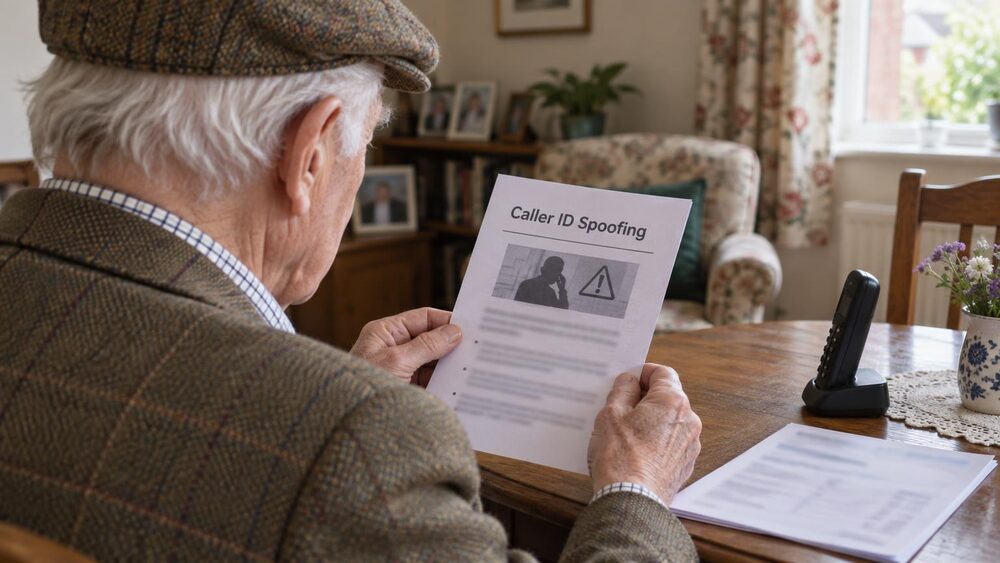
Which? published guidance on number spoofing on 11 September 2025, warning that low public awareness leaves people exposed to impersonation scams. The consumer body said four in 10 adults do not know that caller and sender ID systems can be spoofed1.
In a nationally representative survey of 2,119 UK adults carried out between 15 and 18 August 2025, 38% said they had not heard of number spoofing. That figure rose to 42% among Generation X, aged 40 to 59, and Baby Boomers, aged 60 to 791. A separate survey of 1,012 UK fraud victims who had lost money in the previous two years, conducted between 4 and 15 April 2024, found that 56% of those defrauded after receiving fake phone calls or texts said number spoofing was involved1. Both surveys were carried out online by Deltapoll1.
Number spoofing is the altering of the number or name shown on a phone when a call or text arrives. Which? noted there are legitimate reasons for a business to change its caller ID, such as displaying a freephone 0800 number so customers can return calls without charge, but said the same technology is misused by nuisance callers and scammers to bypass call-blocking devices or present an overseas call centre as a UK number1. Scammers can also spoof a member of the public's own number, which typically becomes apparent when strangers call or message back about contact they believe came from that person1.
Which? reported that Ofcom has taken steps against malicious spoofing but that progress has stalled. It cited industry guidance on blocking calls that spoof UK landlines and the "do not originate" (DNO) scheme, under which numbers that were never intended to make outbound calls, such as some bank, HMRC and insurer customer service lines, are blocklisted so networks can stop calls using that caller ID1. It also cited the SMS SenderID Protection Registry, developed by the Mobile Ecosystem Forum, which lets brands register sender IDs such as "HMRC" so mobile networks can block messages from unverified sources using that name1.
Which? said neither scheme is compulsory, so many organisations have not registered their numbers or sender IDs and can still be freely spoofed. It added that technical constraints mean a small number of calls still connect despite being on the DNO list, and that scammers keep looking for ways around checks1. Ofcom had planned technical standards known as Calling Line Identification authentication, but decided not to proceed for now because the standards would be "complex, costly and time-consuming to implement" and do not adequately address scam calls from abroad1.
Why it matters for households
The figures suggest a large share of adults would not question a call or text that appears to come from a bank, energy provider or government department. Which? said the 42% unawareness rate among Generation X and Baby Boomers leaves millions particularly vulnerable to scammers impersonating trusted organisations1. Because the DNO scheme and the sender ID registry are voluntary, a number or name displayed on a phone is not proof that the contact is genuine, and Which? said people should not assume a call or message is real regardless of what the screen shows1. Where a scam succeeds, the route to recovering money depends on how the payment was made; our guide to FSCS protection and APP reimbursement sets out which covers what.
What happens next
Ofcom has decided not to introduce Calling Line Identification authentication for now, citing cost, complexity and the difficulty of addressing scam calls originating abroad1. No date has been reported for a further decision. The DNO scheme and the SMS SenderID Protection Registry remain in operation on a voluntary basis1.
Households dealing with suspected scam contact can find the warning signs in our guide to how to spot a scam, and the wider picture on reporting and reimbursement in our scams and fraud guide.
 FCA Warning ListCheck whether a firm is authorised before you deal with it
 Financial Ombudsman ServiceFree, independent help when a complaint about a firm is not put right
 Citizens AdviceFree advice on money, consumer and legal problems in England and Wales
 MoneyHelperFree, impartial money and pensions guidance, set up by government