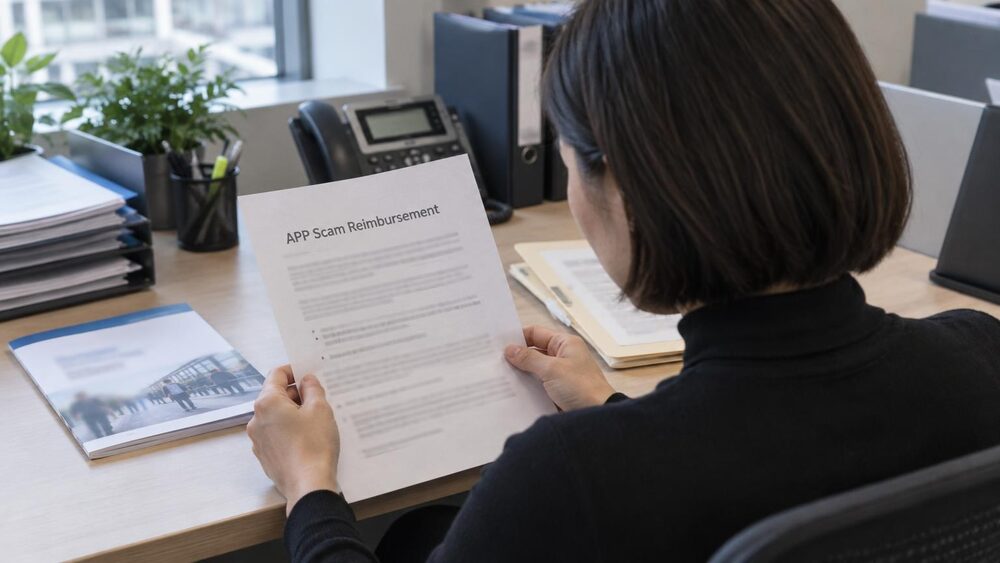
Payment service providers (PSPs) in scope of the authorised push payment (APP) scam reimbursement requirement were given until 9 April 2025 to amend the terms and conditions of their contracts with consumers, according to the Payment Systems Regulator's consolidated policy statement PS25/51. The regulator said it expected firms to make the changes "as soon as is practicable" and allowed them until that date to comply1.
The reimbursement requirement itself came into effect on 7 October 20241. It applies to Faster Payments and CHAPS payments sent and received by PSPs in the UK, including payment initiation service transactions, and covers payments executed by individuals, microenterprises and charities1. It does not apply to payments across other payment systems, payments made before 7 October 2024, international payments, payments made for unlawful purposes, or civil disputes1. Accounts provided by credit unions, municipal banks, Financial Market Infrastructures for CHAPS, and national savings banks are excluded1.
Under the rules, sending PSPs must reimburse consumers within five business days1. They can deny claims submitted more than 13 months after the final payment in a given claim1. The maximum permitted claim excess is £100, and neither the consumer standard of caution exception nor the claim excess can be applied to vulnerable consumers1. There is no separate minimum value threshold for claims1.
| Feature | Level |
|---|---|
| Maximum reimbursement, Faster Payments | £85,0001 |
| Maximum reimbursement, CHAPS | £85,0001 |
| Maximum claim excess | £1001 |
| Reimbursement deadline for sending PSPs | Five business days1 |
| Claim time limit | 13 months after final payment1 |
The regulator said it anticipated the £85,000 maximum would mean 99.8% of all APP scams by volume, and 90% by value, would be fully reimbursed if in scope1. It noted that while the maximum is in line with the current Financial Services Compensation Scheme deposit limit, it will not automatically track changes to that limit1. Receiving PSPs must pay sending PSPs 50% of the reimbursement paid to the consumer, subject to limits, and must notify any receiving PSPs identified in a claim within two hours1.
"We expect PSPs to make these changes as soon as is practicable and allowed them until 9 April 2025 to comply."
Why it matters for households
Consumers who were deceived into sending a payment to a fraudster on or after 7 October 2024 fall within the reimbursement rules, which sit alongside the wider rights under the Payment Services Regulations. The 9 April 2025 deadline concerned the paperwork: firms in scope were required to update the terms and conditions of their contracts with consumers so those documents reflect the reimbursement rights. Until a firm amended its terms, the contractual wording a customer had agreed to may not have matched the regime that has applied to claims since October 2024.
The practical effect is that the terms governing a claim, including the £100 maximum excess and the five business day reimbursement deadline, should now be stated in the contract itself. The distinction between authorised and unauthorised payments remains relevant, because the reimbursement requirement covers only authorised push payment scams, not other payment types.
What happens next
The policy statement says the regulator will keep the document under review and update it in line with any material revisions to the reimbursement requirement, communicating and, if need be, consulting on any such revisions before they are formally announced or implemented1. No further deadline beyond 9 April 2025 is set out for the terms and conditions change1.
 FCA Warning ListCheck whether a firm is authorised before you deal with it
 Financial Ombudsman ServiceFree, independent help when a complaint about a firm is not put right
 Citizens AdviceFree advice on money, consumer and legal problems in England and Wales
 MoneyHelperFree, impartial money and pensions guidance, set up by government