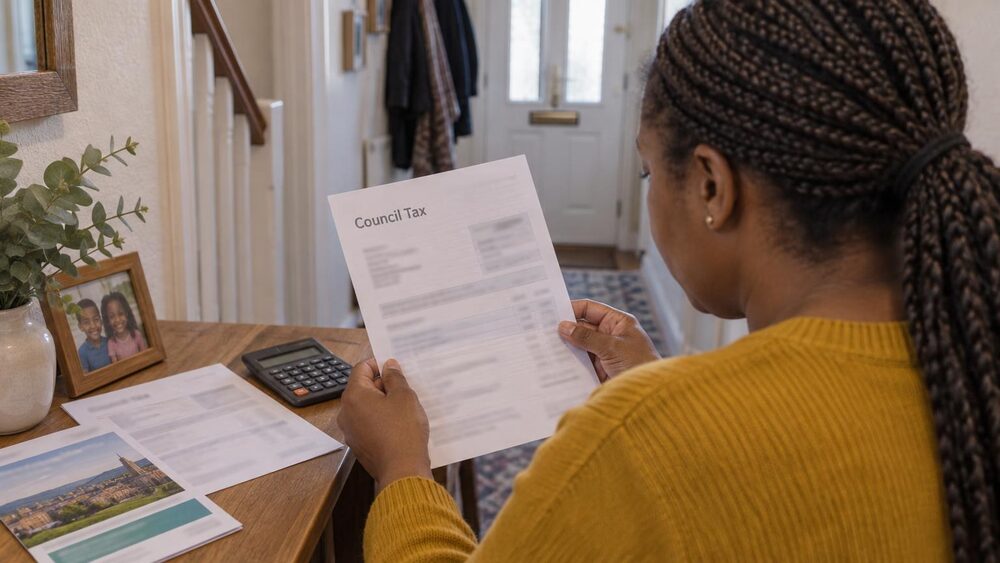
Six councils in England with what Which? describes as "particularly stretched finances" have been permitted to raise council tax by more than 4.99% for 2025-26, the maximum increase allowed without holding a local referendum1. The permission was reported by Which? on 20 March 2025, ahead of the changes taking effect in April1.
Council tax in England will rise by an average of 5% in April, adding £109 to the annual bill, according to Which?1. The 4.99% cap is unchanged from last year and includes a 2% adult social care precept, an additional charge that eligible councils can opt to include to pay for adult social care services1. For 2025-26, more than nine in 10 local authorities that qualify for the precept have raised it either partially or to the maximum1.
The six councils permitted to exceed the cap, and their permitted increases, are:
| Council | Permitted increase |
|---|---|
| Bradford | 9.99% |
| Windsor & Maidenhead | 8.99% |
| Newham | 8.99% |
| Birmingham | 7.5% |
| Somerset | 7.5% |
| Trafford | 7.5% |
Which? analysed data from 296 local authorities in England, including London boroughs, metropolitan district councils, unitary authorities and district councils1. It found that more than eight in 10 are raising council tax by 4.99%1. Seven local authorities, East Cambridgeshire, Fenland, Harlow, Ribble Valley, Ashfield, Mid Suffolk and Malvern Hills, will see no rise to core council tax and the adult social care precept, while Broadland is reducing rates by 0.56%1. Mansfield will see the smallest rises, with the average council tax bill for a band D property going up by a total of 0.99%1.
"Six councils with particularly stretched finances have been permitted to raise taxes by more than 4.99%."
Council tax is devolved, and the arrangements differ across the UK. Unlike in England, there is no cap on council tax rises in Wales and Scotland1. In Wales, of 22 local authorities, Pembrokeshire has the largest band D percentage increase of 9.2%, while Bridgend has the smallest rise of 5%1. Council tax rates in Scotland, which were frozen last year, will rise from April by an average of 9.6%, with almost half of the 32 local authorities increasing bills by more than that; the steepest increase is in Falkirk, at 15.6%1. Northern Ireland uses a different system called rates, and all 11 councils there have chosen to increase bills for 2025-26, with Belfast seeing the biggest rise at 5.99%, according to the BBC1.
Why it matters for households
The increase applies to council tax bills in England from April 20251. For households in the six named areas, the permitted percentage rise is higher than the 4.99% threshold that would otherwise trigger a local referendum1. The average English bill rises by £109 a year, though the amount any household pays depends on where it lives and which council tax band its property falls into1.
The final bill includes charges beyond core council tax and the adult social care precept, such as levies set by parish councils or police and crime commissioners1. Which? reports that Rutland residents will pay the most in England in 2025-26, with annual band D bills reaching £2,671.01, up from £2,543.29 in 2024-25, a rise of 5%1. Wandsworth households will pay the least in England; the borough did not increase the council tax element for the third year running, but bills there still rise by 3% because the social care precept and Greater London Authority charge are increasing, taking the annual band D bill from £968.77 to £997.751.
Discounts and reductions exist, including a 25% discount for people who live alone or with others who are disregarded for council tax purposes, such as full-time students, and reductions on empty properties, second homes and holiday homes; these are not applied automatically1. Households can also ask for their council tax band to be reviewed, though a review can result in a higher band as well as a lower one1. More detail is set out in the site's guide to tax.
What happens next
The increases take effect from April 20251.
 GOV.UKOfficial information on tax, benefits and government services
 MoneyHelperFree, impartial money and pensions guidance, set up by government
 Citizens AdviceFree advice on money, consumer and legal problems in England and Wales
 Turn2usFree benefits calculator and grants search from a charity
 Citizens Advice ScotlandFree advice across Scotland