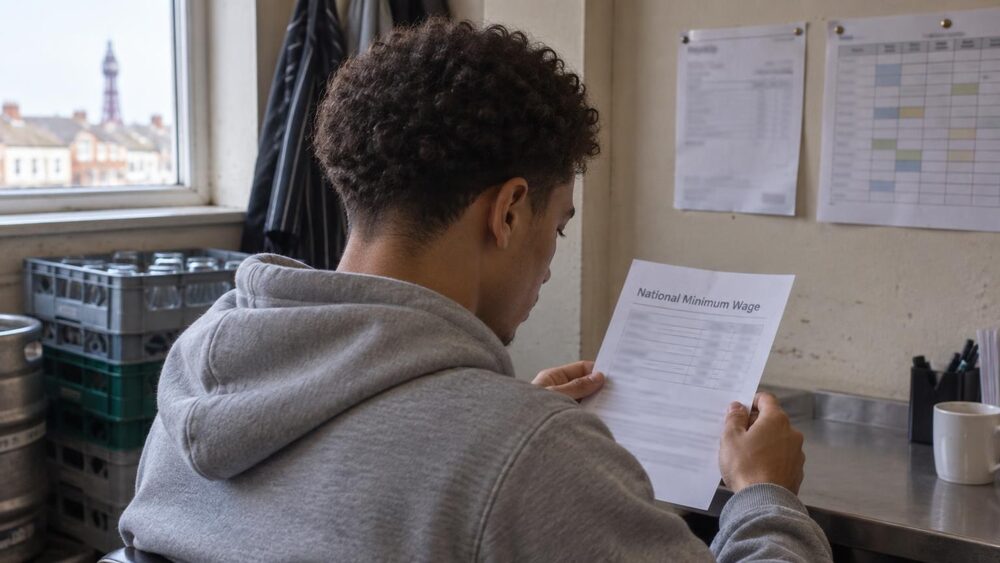
The government laid legislation on 4 February 2025 confirming new pay floors that take effect from 1 April, according to the Department for Business and Trade, HM Treasury and the Low Pay Commission1. The National Living Wage for those aged 21 and over rises from £11.44 to £12.21 an hour, a 6.7% increase, which the department says is worth £1,400 a year for an eligible full-time worker1. The National Minimum Wage for 18 to 20 year olds rises from £8.60 to £10.00 an hour, an increase of £1.40, which the department says will boost the pay of eligible full-time younger workers by £2,500 a year1.
The apprenticeship rate and the rate for 16 to 17 year olds rise from £6.40 to £7.55 an hour1. The department says an 18 year old apprentice in an industry such as construction would see minimum hourly pay rise by 18.0%1.
| Rate from 1 April 2025 | Before | After |
|---|---|---|
| National Living Wage (21 and over) | £11.44 | £12.21 |
| National Minimum Wage (18 to 20) | £8.60 | £10.00 |
| Apprenticeship rate and 16 to 17 year olds | £6.40 | £7.55 |
The department says over 3 million workers in shops, restaurants and workplaces across the UK are set to receive a pay boost from April, and that a further 4 million could benefit from spill-over effects of the increases1. An impact assessment published the same day shows the reforms will put around £1.8 billion into the pockets of workers over the next six years, according to the department1. The National Living Wage applies to most workers, while the National Minimum Wage is the minimum an employer must pay per hour for all workers aged below 211. The department says this is the first time the National Living Wage has taken into account the cost of living and inflation, and describes it as the first step towards aligning the 18 to 20 rate and the National Living Wage into a single adult rate1. The National Living Wage is separate from the real Living Wage, which is set by the Living Wage Foundation rather than by government.
"The increases we recommended are a big step towards making work pay and achieving a genuine living wage."
The Low Pay Commission chair also said the rates secure a real-terms pay increase for the lowest paid and that substantial increases for young workers make up some of the ground lost against the adult rate over time1.
Why it matters for households
Anyone paid at or near the legal minimum in the UK is affected from 1 April 2025, when employers must pay at least the new hourly rates1. For a worker aged 21 or over on the National Living Wage, the hourly rate rises by 77p; for an 18 to 20 year old, it rises by £1.40 an hour1. The department's £1,400 and £2,500 annual figures are its own estimates for eligible full-time workers and depend on hours worked1. The government says the Employment Rights Bill is already set to boost the pay of some of the lowest paid workers by up to £600 a year1. The Minimum Income Standard sets out what the public considers a decent living costs, which is a different measure from the statutory pay floors.
What happens next
The rates take effect from 1 April 20251. The government says it will work with HMRC and Acas to engage with businesses, unions and wider society so that employers are aware of the new rates and prepare for payroll changes on that date1. The Low Pay Commission says it will consult with employers and workers in the coming months on the effects of the changes1.

 Financial Ombudsman ServiceFree, independent help when a complaint about a firm is not put right
 FSCSProtects your money if a bank, insurer or investment firm fails
 FCA Warning ListCheck whether a firm is authorised before you deal with it
 MoneyHelperFree, impartial money and pensions guidance, set up by government
 Citizens AdviceFree advice on money, consumer and legal problems in England and Wales