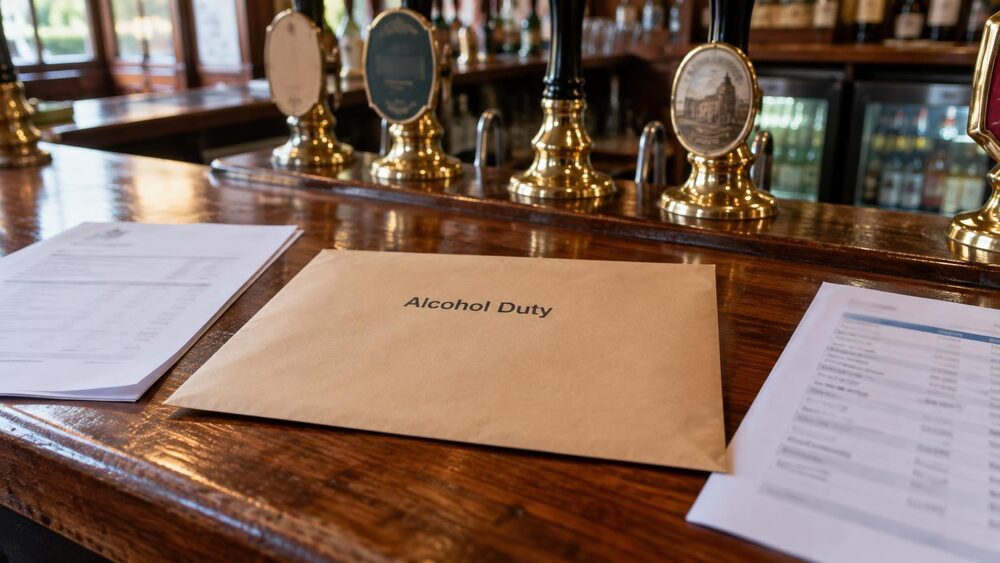
Alcohol duty increased on 1 February 2025 in line with the September 2024 Retail Price Index (RPI) rate of inflation, which stood at 2.7%, according to Which?1. At the same time, duty on draught products such as beer below 8.5% alcohol by volume (ABV) was cut by 1.7%, reducing the amount of tax on an average-strength pint by 1p1.
The change was announced at the Autumn Budget, alongside other duty measures. From 30 October 2024, tobacco duty rose by RPI plus 2%, and duty on hand-rolling tobacco rose by RPI plus 10%1.
"from 1 February 2025 alcohol duty will rise in line with September 2024's RPI rate of inflation, which stood at 2.7%"
The alcohol duty change sits alongside a wider set of tax measures taking effect across 2024 and 2025. Capital gains tax rates on assets increased from 10% to 18% for basic-rate taxpayers and from 20% to 24% for higher-rate taxpayers, a change that took place immediately after the Budget1. Stamp duty for buy-to-let properties and second homes increased by two percentage points, also with immediate effect1.
| Measure | Change | Date |
|---|---|---|
| Alcohol duty | Up 2.7% (September 2024 RPI) | 1 February 20251 |
| Draught products below 8.5% ABV | Down 1.7% | 1 February 20251 |
| Tobacco duty | Up RPI plus 2% | 30 October 20241 |
| Hand-rolling tobacco duty | Up RPI plus 10% | 30 October 20241 |
Why it matters for households
The duty rise feeds into the price of alcoholic drinks bought in shops and pubs, though the amount passed on to customers is a commercial decision for retailers and producers and is not set out in the reported figures. The cut for draught products below 8.5% ABV applies to the duty charged on that category, with the reported effect on an average-strength pint being a 1p reduction in tax1.
The alcohol measure is one of several changes affecting household budgets in early 2025. The temporary stamp duty relief for first-time buyers and home movers in England and Northern Ireland ends on 31 March 2025, and from 1 April the first-time buyer threshold drops from £425,000 to £300,000, while home movers pay stamp duty on purchases over £125,000 rather than £250,0001. Which? gives the example of a home mover completing on a £500,000 property in England or Northern Ireland paying £15,000 rather than £12,5001. Stamp duty rates and thresholds differ in Scotland and Wales1.
Council tax bills in England may also rise from April 2025, with most councils able to increase rates by 5% without a referendum; Which? notes the average Band D bill in England is currently £2,171, which could mean a rise of £1091. Inheritance tax thresholds, previously frozen until 2028, are now frozen until 2030, and unspent pension funds will count as part of an estate for inheritance tax purposes from April 20271. Employer National Insurance contributions rise from 13.8% to 15% from 6 April 2025, with the threshold at which employers start paying lowered from £9,100 to £5,0001.
What happens next
The alcohol duty rates took effect on 1 February 20251. The stamp duty relief for first-time buyers and home movers in England and Northern Ireland ends on 31 March 2025, with new thresholds applying from 1 April1. Employer National Insurance changes take effect from 6 April 20251. The inheritance tax threshold freeze runs to 2030, and unspent pension funds form part of an estate for inheritance tax purposes from April 20271. Further detail on how these changes interact with individual circumstances has not been reported in the source material.
 GOV.UKOfficial information on tax, benefits and government services
 MoneyHelperFree, impartial money and pensions guidance, set up by government
 Citizens AdviceFree advice on money, consumer and legal problems in England and Wales
 Turn2usFree benefits calculator and grants search from a charity
 Citizens Advice ScotlandFree advice across Scotland