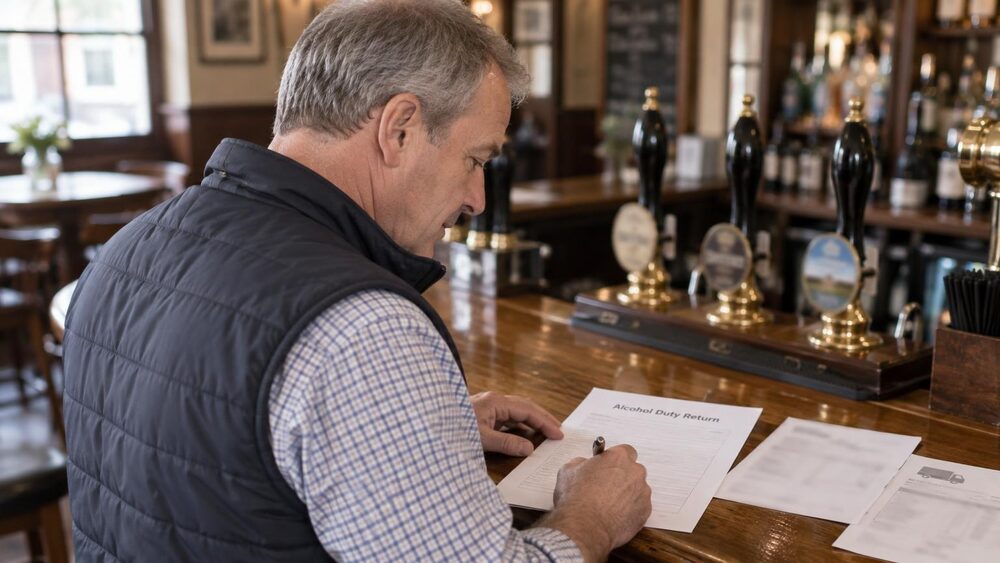
New alcohol duty rates, charged per litre of alcohol in the product, apply from 1 February 2025 until 1 February 20261. The rates were set out in the rates and allowances annex published alongside the Autumn Budget 2024 and updated on 11 November 20241.
The same annex sets out the Income Tax and National Insurance figures for the 2025 to 2026 tax year, which begins on 6 April 20251. The Income Tax bands are unchanged from 2024 to 2025: the basic rate band runs from £1 to £37,700, the higher rate band from £37,701 to £125,140, and the additional rate applies to income over £125,1401. The main rates remain 20%, 40% and 45%1.
The Personal Allowance stays at £12,570, and the income limit for it stays at £100,0001. The allowance reduces where income is above £100,000, by £1 for every £2 of income above that limit, irrespective of date of birth1. The Marriage Allowance remains £1,2601. The Married Couple's Allowance, for those born before 6 April 1935, rises from a maximum of £11,080 to £11,270 and a minimum of £4,280 to £4,360, with relief given at 10%1. Blind Person's Allowance rises from £3,070 to £3,1301.
On savings and dividends, the Personal Savings Allowance stays at £1,000 for basic rate taxpayers and £500 for higher rate taxpayers, the starting rate limit for savings stays at £5,000, and the dividend allowance stays at £5001. Dividend rates are unchanged at 8.75%, 33.75% and 39.35%1. The Individual Savings Account subscription limit remains £20,0001.
For employers, the rate of secondary Class 1 National Insurance contributions above the Secondary Threshold rises from 13.8% to 15% in 2025 to 2026, and the Secondary Threshold falls from £175 to £96 per week1. The Employment Allowance per eligible employer rises from £5,000 to £10,500 per year1. Employee primary Class 1 rates are unchanged, at 8% between the Primary Threshold and Upper Earnings Limit and 2% above it1.
"Duty rate from 1 February 2025 until 1 February 2026 (per litre of alcohol in the product)"
| Measure | 2024 to 2025 | 2025 to 2026 |
|---|---|---|
| Personal Allowance | £12,570 | £12,570 |
| Basic rate band | £1 to £37,700 | £1 to £37,700 |
| Marriage Allowance | £1,260 | £1,260 |
| Married Couple's Allowance (maximum) | £11,080 | £11,270 |
| Blind Person's Allowance | £3,070 | £3,130 |
| Dividend Allowance | £500 | £500 |
| ISA subscription limit | £20,000 | £20,000 |
| Employer secondary Class 1 rate above ST | 13.8% | 15% |
| Employment Allowance | £5,000 | £10,500 |
Why it matters for households
Alcohol duty is included in the price paid for beer, wine and spirits, so the rates applying from 1 February 2025 feed into what shoppers pay at the till until 1 February 20261. The annex does not give the cash effect on individual products, and no estimate of the change to typical shop prices has been reported1.
For earners, the Income Tax bands and main rates for 2025 to 2026 are the same as the previous year, so more of a pay rise moves a household into a higher rate band where the thresholds are fixed in cash terms1. The Personal Allowance stays at £12,570 and continues to taper away above £100,000 of income1.
The National Insurance changes fall on employers rather than employees: the rate above the Secondary Threshold rises to 15% and the threshold drops to £96 a week from 6 April 20251. The annex does not state how employers will respond, and no effect on pay or hiring has been reported1. The higher Employment Allowance of £10,500 per eligible employer offsets part of the cost for those who qualify1.
Savers and investors see no change to the Personal Savings Allowance, the starting rate limit for savings, the dividend allowance or dividend rates in 2025 to 20261. The tax treatment of savings interest and dividends therefore follows the same allowances and rates as in 2024 to 20251.
What happens next
The alcohol duty rates run until 1 February 20261. The Income Tax, allowance and National Insurance figures take effect from 6 April 2025 for the tax year 2025 to 20261. The annex also states that Film Tax Relief will sunset from 1 April 2027, with companies able to claim the Audio-Visual Expenditure Credit instead1.
 GOV.UKOfficial information on tax, benefits and government services
 MoneyHelperFree, impartial money and pensions guidance, set up by government
 Citizens AdviceFree advice on money, consumer and legal problems in England and Wales
 Turn2usFree benefits calculator and grants search from a charity
 Citizens Advice ScotlandFree advice across Scotland