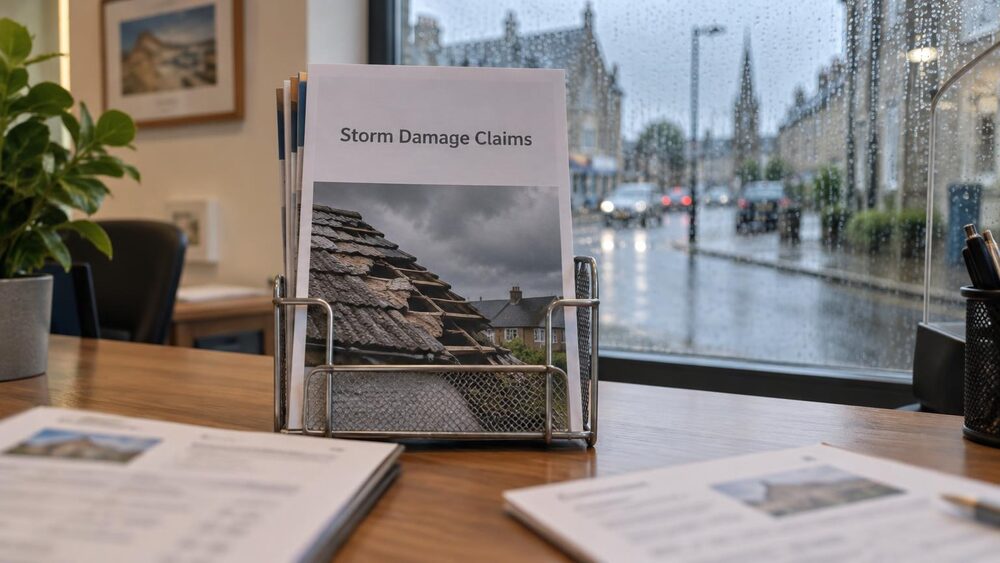
Insurers paid out a record £585m in 2024 for weather-related damage to people's homes and possessions, according to data from the Association of British Insurers (ABI) cited by Which?1. The first half of 2025 has already seen £322m paid out for damage caused by storms, heavy rainfall and frozen pipes1.
The figure was reported alongside warnings of further severe weather. Storm Bram, named by Ireland's Met Eireann, was expected to arrive on 9 December, with an amber weather warning issued for north-west Scotland where gusts of up to 90mph were expected, and yellow warnings for west Wales, south-west England and Northern Ireland1. Which? also noted that Storm Amy caused widespread disruption to transport when it hit the UK on 4 October 2025, with roads blocked, trains cancelled and flights delayed1.
Which? set out what standard cover typically includes. Buildings insurance should cover damage caused by hail, wind, rain, snow or ice, including broken roofs, frozen pipes, falling trees and loss of power, and flood cover is a standard part of buildings insurance, widely available even in areas deemed to be of high flood risk1. Insurers will generally pay for cleaning up and repairing a property, as well as temporary accommodation if a home has been made uninhabitable, and contents insurance covers possessions1.
"You might not be covered by a standard home insurance policy if the damage is a result of general wear and tear, for example, if water enters your home through a poorly maintained roof."
Exclusions were also reported. Many insurers will not cover damage caused by groundwater flooding, and some policies exclude damage to certain parts of a property such as outbuildings or fences1. Accidental damage cover, needed for some wear-and-tear-related claims, is included in some policies but more often sold as an optional extra1.
On motor cover, most comprehensive policies should cover the cost of repairing or replacing vehicles damaged by bad weather, while drivers with basic third-party or third-party, fire and theft policies are unlikely to be offered any protection1. Cover usually includes damage to upholstery and the vehicle's entertainment system, but the insurer may not pay out for personal possessions left in the vehicle1. Insurers may not pay out if they feel steps were not taken to keep the car safe, such as driving recklessly in a snow storm or deliberately driving through flood water, and driving during a red weather alert could invalidate a policy if the insurer decides travel advice was not followed1.
On travel, UK trips longer than a couple of nights and further than 25 miles are covered by most travel insurance policies, but disruption must have been caused by an event outside the policyholder's control which they were not aware of when booking1. Some providers include travel disruption cover automatically, while others charge extra for it1.
Why it matters for households
The £585m paid in 2024 is the highest annual figure reported for weather-related damage to homes and possessions, and the £322m paid in the first half of 2025 covers storms, heavy rainfall and frozen pipes1. For households affected by storms or flooding, the practical question is which policy responds: buildings insurance for the structure, contents insurance for possessions, comprehensive motor cover for vehicles, and travel policies for disruption1. Where damage stems from wear and tear rather than a sudden event, a standard policy may not respond and accidental damage cover may be needed instead1. Groundwater flooding and damage to outbuildings or fences are common exclusions1. Which? advises contacting a provider as soon as possible, as insurers can make emergency payments, arrange temporary accommodation and organise repairs, and most have 24-hour emergency helplines1. It adds that emergency repairs arranged independently should be reported to the insurer with receipts kept, and that damaged items should not be thrown away unless they are a danger to health, as they may be repairable or restorable1.
What happens next
Storm Bram was expected to arrive on 9 December, with an amber warning for north-west Scotland and yellow warnings for west Wales, south-west England and Northern Ireland, and heavy rain with a risk of flooding in some areas of England and Wales1. No further ABI payout figures for 2025 beyond the first half have been reported1.

 MoneyHelperFree, impartial money and pensions guidance, set up by government
 Financial Ombudsman ServiceFree, independent help when a complaint about a firm is not put right
 FSCSProtects your money if a bank, insurer or investment firm fails
 Citizens AdviceFree advice on money, consumer and legal problems in England and Wales
 GOV.UKOfficial information on tax, benefits and government services