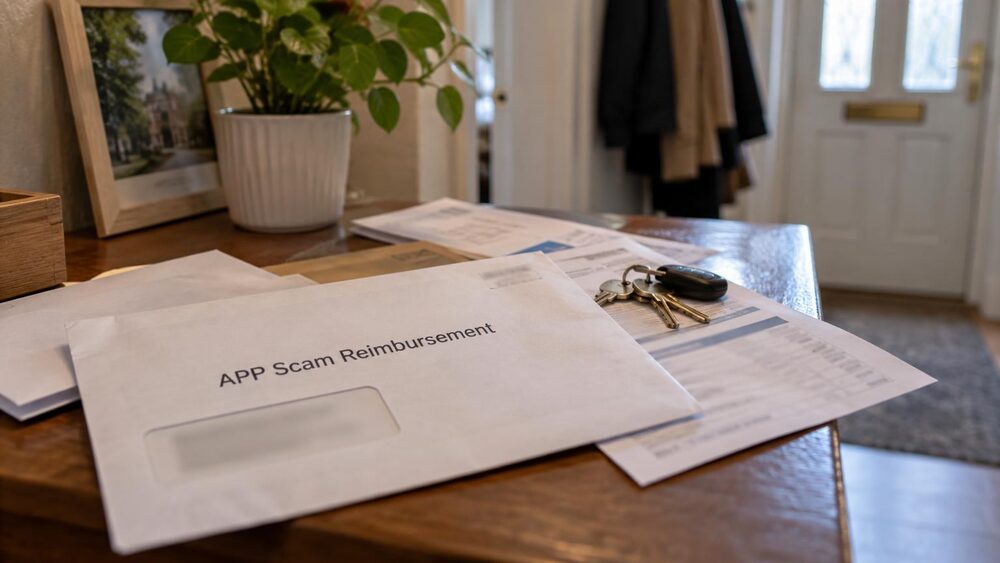
The Payment Systems Regulator (PSR) consultation CP24/11, on changing the maximum level of reimbursement for Faster Payments authorised push payment (APP) scams, closed on 18 September 20241. The regulator has published its response to the consultation1.
The consultation set out a proposal to implement the reimbursement requirement from 7 October 2024 with an initial maximum level of reimbursement set at the Financial Services Compensation Scheme (FSCS) reimbursement limit, which the PSR says is currently £85,000 per Faster Payments APP scam claim1. The previous maximum reimbursement value had been set at £415,000, in line with the Financial Ombudsman maximum reimbursement limit at that time1. The PSR said it was not proposing any other changes to the policy or to the implementation date itself, and that the start date for the policy remains 7 October 20241.
The PSR said it had heard feedback from some stakeholders about the risks and impacts of the maximum level of reimbursement, in particular prudential concerns for some smaller firms in the market1. It said its pre-implementation work on the incidence and impact of high-value scams, and its consideration of those concerns, made a consultation on the maximum level appropriate1.
"It is our view that this proposed approach will ensure that we and industry can deliver timely and effective consumer protections from Faster Payments APP scams, which would address the vast majority of APP scams experienced by consumers, while mitigating concerns we have heard about the potential risks and impacts of our original approach to start the maximum level of reimbursement at £415,000 per Faster Payments APP scams claim."
The consultation also covered a draft cost benefit analysis and a draft updated Notice of Value, published as supplementary documents1. The PSR said the document is relevant to the payments industry, consumer groups, payment service providers, and prospective qualifying customers who use authorised push payments to send money and will be within scope of the policy once implemented1.
The reimbursement requirement itself was set out in two 2023 policy statements, PS23/3 Fighting authorised push payment fraud: a new reimbursement requirement and PS23/4 Fighting authorised push payment scams: final decision1. The PSR says the requirement aims to incentivise all payment firms to prevent these scams from happening in the first place, and to make sure consumers are protected if they do fall victim1. It added that it has already seen positive changes from many firms seeking to improve their fraud protections, on both the sending and receiving side1.
Why it matters for households
The maximum level of reimbursement is the ceiling on what a victim of a Faster Payments APP scam can be reimbursed under the requirement. Under the proposal consulted on, that ceiling would be £85,000 per claim from 7 October 2024, rather than the £415,000 previously set1. Claims above the maximum would not be covered in full by the requirement, so the change matters most to people who send very large sums by bank transfer, including on property purchases or other high-value payments.
The policy applies to authorised push payment claims made through Faster Payments, where the customer authorised the payment themselves. That differs from unauthorised payments, where refund rights work differently. The PSR's stated aim is that the approach addresses the vast majority of APP scams experienced by consumers1. The regulator has not reported, in this document, how many claims fall above £85,000 or the total value of claims affected.
What happens next
The PSR said that, following its consideration of the responses and input received, it will publish a policy statement containing its decision on the implementation approach to the maximum level of reimbursement that will take effect from 7 October 2024, by the end of September1. The policy start date remains 7 October 20241.

 FCA Warning ListCheck whether a firm is authorised before you deal with it
 Financial Ombudsman ServiceFree, independent help when a complaint about a firm is not put right
 Citizens AdviceFree advice on money, consumer and legal problems in England and Wales
 MoneyHelperFree, impartial money and pensions guidance, set up by government