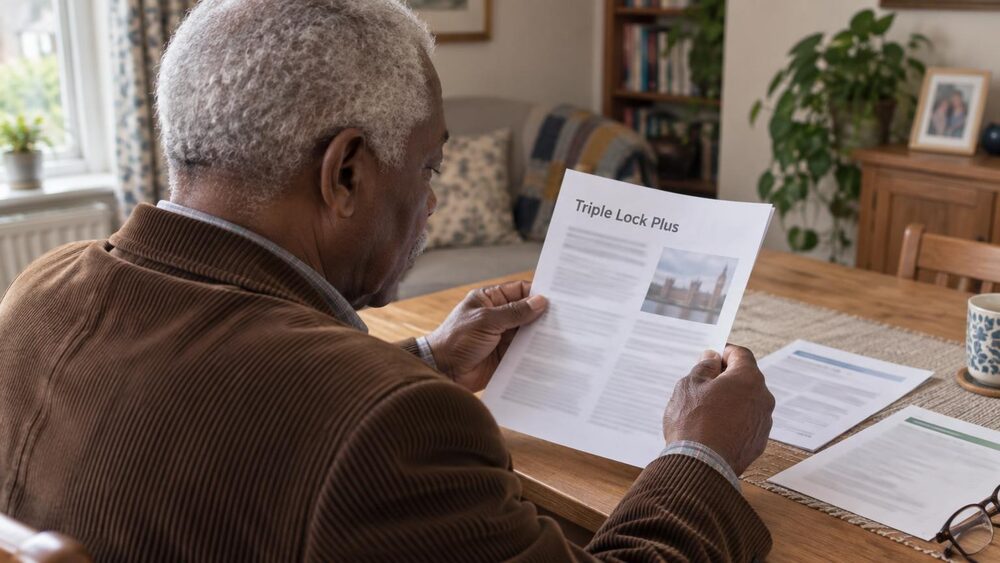
The Conservative Party has announced that, if re-elected, it plans to increase the personal allowance for pensioners in line with the triple lock, the highest uprating between 2.5 per cent, inflation or growth in average earnings1. The policy has been referred to as "triple lock plus", or the "quadruple lock"1.
Under the proposal, pensioner personal allowances would rise at the same rate as pensions, reaching £14,340 by the end of the next parliament in 2029-301. That is a £1,260 increase on the £13,080 the allowance is currently on track to reach under existing policy1. Around 8 million tax-paying pensioners would see an annual tax cut of around £250 a year by the end of the next Parliament, at a cost of just over £2 billion to the Treasury, with small offsetting savings in reduced entitlement to Pension Credit1.
The Resolution Foundation, which published the costings on 29 May 2024, said the bulk of the cut would benefit richer pensioners, especially those in households with more than one taxpaying pensioner1.
"The Conservative Party says that this proposed policy would ensure no pensioner would ever pay tax on their state pension."
The analysis sets the policy against the freeze on the Income Tax personal allowance, first announced by Rishi Sunak as Chancellor in March 2021 and due to continue to April 20281. Without that freeze, the personal allowance would be set to reach £16,660 by 2029-30, more than £2,000 higher than under this policy1. The proposed triple-lock uprating would effectively undo 65 per cent of the six-year freeze1.
| Measure | Figure |
|---|---|
| Pensioner personal allowance in 2029-30 under the policy | £14,3401 |
| Pensioner personal allowance in 2029-30 under existing policy | £13,0801 |
| Personal allowance in 2029-30 without the freeze | £16,6601 |
| Annual tax cut for affected pensioners by end of next Parliament | around £2501 |
| Number of tax-paying pensioners affected | around 8 million1 |
| Cost to the Treasury | just over £2 billion1 |
In real terms, the proposed pensioner personal allowance in 2029-30 would be slightly below what the age 65+ personal allowance was in 2010-11, standing at 93 per cent of its value1. The number of people aged 65 or over paying Income Tax has nearly doubled from 4.5 million in 2009-10 to 8.5 million in 2023-241.
Why it matters for households
The change would affect pensioners who pay Income Tax, with the Resolution Foundation estimating around 8 million would gain an average of around £250 a year by 2029-301. The gain would not be evenly spread: the bulk of the cut would go to richer pensioner households, particularly those with more than one taxpaying pensioner1.
The policy is framed as preventing pensioners from paying Income Tax on the state pension1. The Resolution Foundation notes that it was only younger pensioners, men born after 1951 and women born after 1953, in receipt of the new state pension who faced the possibility of paying Income Tax because of the threshold freezes, but that all pensioners would benefit from the effective tax cut1.
The allowance would rise only if the triple lock uprating applied to pensions is higher than the frozen working-age allowance, so the gap between the two would widen over time1. The Resolution Foundation also notes that the policy would reverse George Osborne's decision to remove higher Income Tax personal allowances for pensioners, taken when the 2010-2015 coalition Government provided higher personal allowances for all1.
Pensioners whose income exceeds £100,000 face a separate reduction in their Personal Allowance, which is not addressed in the analysis1. The interaction with Marriage Allowance transfers is also not covered1.
What happens next
The policy was announced as a commitment contingent on the Conservative Party being re-elected1. The Resolution Foundation's costings were published on 29 May 20241. The personal allowance freeze is due to continue to April 20281. No further dates for implementation have been reported1.
Sources1 cited
- Under triple lock and key • Resolution Foundation resolutionfoundation.org
 GOV.UKOfficial information on tax, benefits and government services
 MoneyHelperFree, impartial money and pensions guidance, set up by government
 Citizens AdviceFree advice on money, consumer and legal problems in England and Wales
 Turn2usFree benefits calculator and grants search from a charity
 Citizens Advice ScotlandFree advice across Scotland