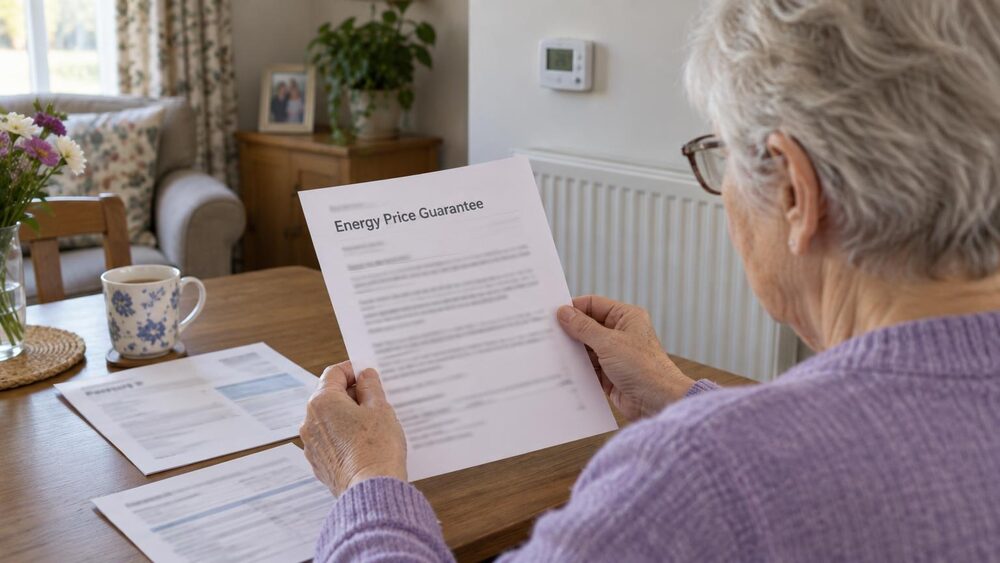
The Energy Price Guarantee (EPG) ended in March 2024, the House of Commons Library has said, after falls in the energy price cap meant it was not needed again1. The scheme had been announced by then Prime Minister Liz Truss and introduced from 1 October 2022, originally intended to last two years1.
The EPG set maximum prices for gas and electricity below those under the existing price cap, with the government compensating suppliers for selling below cap prices1. Maximum prices for customers on standard variable tariffs were set by the lower of the EPG or the price cap, and the EPG was lower from October 2022 to June 2023, so it set maximum prices during that period1. The Library says record prices in 2022 would have led to an 80% increase in the energy price cap in Great Britain without government intervention, and the EPG limited the increase to 27% in October 20221.
"The falls in the price cap since in July 2023 meant the EPG was not needed again and it ended in March 2024."
The price cap for July to September 2023 was £1,766 for current levels of typical consumption, with unit prices 27% lower than under the EPG for gas and 9% lower for electricity; as its annual level was lower than the EPG, customers on standard variable tariffs saw prices fall for the first time since October 20201. The cap fell to £1,641 in October 2023 and rose to £1,723 in the first quarter of 2024, both below the EPG level1. The peak annual figure under the EPG was £2,106 from October 2022 to June 20231.
| Period | Annual bill for typical dual fuel direct debit consumption |
|---|---|
| October 2022 to June 2023 (EPG peak) | £2,1061 |
| July to September 2023 | £1,7661 |
| October 2023 | £1,6411 |
| January to March 2024 | £1,7231 |
| April to June 2024 | £1,5201 |
Annual bills are not capped: the figures express what a dual fuel direct debit customer with typical consumption would pay if prices stayed constant across a year, so households using more energy pay more and those using less pay less1. Prices also vary by region and are higher for customers paying by quarterly bills1. Ofgem introduced lower Typical Domestic Consumption Values from October 2023, cutting assumed annual gas use from 12,000 kWh to 11,500 kWh and electricity from 2,900 kWh to 2,700 kWh, and reduced them again in July 2026 to 9,500 kWh for gas and 2,500 kWh for electricity1. The Library notes this makes an average bill for typical consumption look lower even if unit prices are unchanged1.
Northern Ireland is not covered by the price cap, and only a minority of households there use mains gas for heating1. Government support said to be equivalent to the EPG led the largest electricity supplier in Northern Ireland to cut prices in November 2022 to below those in the rest of the UK, but reductions in that support from April 2023 and its ending from July 2023 led to price rises there in 20231. Since October 2023 the cheapest prices from Northern Ireland's largest supplier have been higher than prices under the cap in the rest of the UK1.
Why it matters for households
The EPG's end in March 2024 did not itself change what households paid, because the price cap had already fallen below the EPG level and was setting maximum prices1. What changed is that the cap alone now determines the maximum for standard variable tariffs in Great Britain, so future movements in the cap pass through to bills without the EPG floor1.
The cap has continued to move since. Under the July to September 2026 direct debit cap the average annual bill for typical gas and electricity consumption is £1,663, below the £2,106 EPG peak but 18% above the recent low in July to September 20241. Under that cap the average gas price is 7.3 pence per kilowatt hour and electricity 26.1 p/kWh, with average standing charges of 29.0 p/day for gas and 57.2 p/day for electricity1. The Library says the October 2026 cap will leave typical bills 58% above their winter 2021/22 level1.
What happens next
The price cap will increase by 4% in the fourth quarter of 2026, and is forecast to rise by a further 9% in the first quarter of 20271. Under the October 2026 direct debit cap the average gas price rises 9% to 8.0 p/kWh and electricity rises 1% to 26.3 p/kWh; the gas standing charge rises by 0.7 p/day while the electricity standing charge falls by 2.4 p/day, with electricity values including the effect of the government's decision to remove VAT from electricity bills for six months from October 20261. The Library notes forecasts of the price cap are uncertain1.
The Energy Price Guarantee scheme and the energy price cap operate differently, and further detail sits under regulation and policy and rates and the economy.
Sources1 cited
- Gas and electricity prices during the 'energy crisis' and beyond - House of Commons Library commonslibrary.parliament.uk

 Financial Ombudsman ServiceFree, independent help when a complaint about a firm is not put right
 FSCSProtects your money if a bank, insurer or investment firm fails
 FCA Warning ListCheck whether a firm is authorised before you deal with it
 MoneyHelperFree, impartial money and pensions guidance, set up by government
 Citizens AdviceFree advice on money, consumer and legal problems in England and Wales