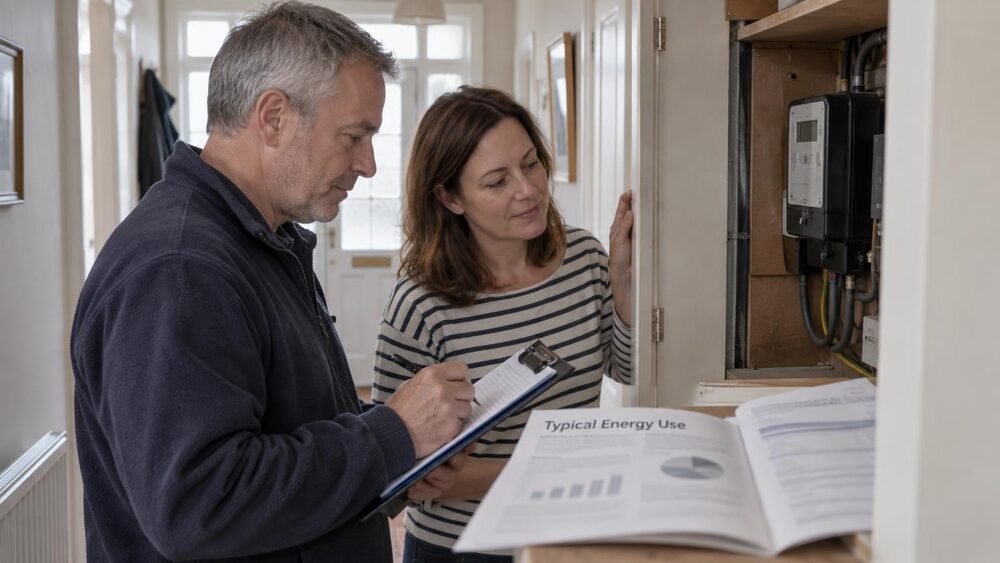
Ofgem reduced the typical domestic consumption values (TDCVs) it uses to calculate the typical bill in the energy price cap, as of July. The regulator now says the typical household uses 9,500kWh of gas, down 17 per cent from its previous 11,500kWh level, and 2,500kWh of electricity, down 7 per cent from 2,700kWh1.
The change reflects a longer decline in household energy consumption, which has fallen by more than a quarter since 20101. The Resolution Foundation, which reported the figures, said the adjustment was the first to consider evidence from after the gas crisis1. It said 2022 and 2023 account for over a third (36 per cent) of the fall in electricity consumption and almost two-fifths (39 per cent) of the fall in gas consumption since 2010, equivalent to saving £228 a year on average at today's prices1.
The main driver of lower use in 2022 was the rising cost of energy. The typical household energy bill in 2022 was 62 per cent higher than in 2021, with electricity unit prices up 48 per cent and gas unit prices up 110 per cent1. The Resolution Foundation said the rise would have been substantially higher had the Government not intervened by capping bills with the Energy Price Guarantee from October 20221.
The TDCVs are used to illustrate what a typical household pays under the cap, not to set the cap itself. The Resolution Foundation's analysis of neighbourhood data found that the vast majority of neighbourhoods (79 per cent) reduced gas use by at least 10 per cent and electricity use by at least 5 per cent in 20221. Even in London, which economised the least, gas use fell by 13 per cent and electricity by 7 per cent1.
| Measure | Previous TDCV | New TDCV | Change |
|---|---|---|---|
| Gas | 11,500kWh | 9,500kWh | down 17 per cent |
| Electricity | 2,700kWh | 2,500kWh | down 7 per cent |
Source: Resolution Foundation1
"Ofgem's recent reduction in the typical domestic consumption values (TDCVs) used to calculate the typical bill in price caps: as of July, Ofgem now says the typical household uses 9,500kWh of gas, down 17 per cent from its previous 11,500kWh level, and 2,500kWh of electricity, down 7 per cent from 2,700kWh"
Why it matters for households
The TDCVs feed into the quoted typical bill under the energy price cap, so a lower assumed consumption figure changes the headline number used to describe what a household on default tariffs pays, even where unit rates are unchanged. The cap limits unit rates and standing charges rather than total bills, so what any household actually pays depends on how much energy it uses.
The Resolution Foundation's analysis suggests the reduction reflects real falls in use rather than a change in how bills are calculated. It found that income was the largest factor predicting the size of gas use reductions, closely followed by temperature and poor energy efficiency, with an area at the 10th percentile of income or local temperatures cutting gas 1.8 percentage points more than one at the 90th percentile1. It also found that the wealthiest places cut electricity use by almost two-thirds more than the lowest income areas, while the richest turned the heating off 15 per cent less1.
By 2024, prices were almost one-third lower than their peak in real terms, but consumption had not substantially recovered: only one-sixth of the cuts in gas consumption made by the poorest places had been reversed1. The gap in gas use between the poorest tenth and richest tenth of areas was still 2,500kWh, equivalent to more than a quarter of typical consumption of 9,500kWh1.
What happens next
The Resolution Foundation said its analysis supports targeting any additional support for energy costs by income, and that the Government's recent VAT cut on electricity will provide some help with bills1. It said policy makers should be particularly attentive to further rises in already high gas prices given the risks of underconsumption in poorer places1. Ofgem's decision letter on the 2023 TDCV review is dated May 20231.
Sources1 cited
- Losing energy • Resolution Foundation resolutionfoundation.org

 Financial Ombudsman ServiceFree, independent help when a complaint about a firm is not put right
 FSCSProtects your money if a bank, insurer or investment firm fails
 FCA Warning ListCheck whether a firm is authorised before you deal with it
 MoneyHelperFree, impartial money and pensions guidance, set up by government
 Citizens AdviceFree advice on money, consumer and legal problems in England and Wales