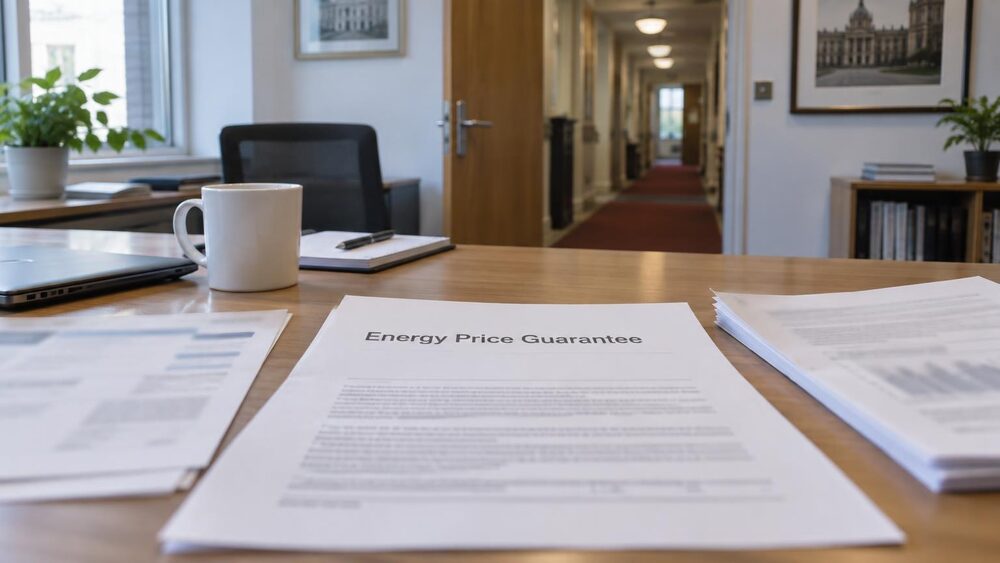
The Energy Price Guarantee (EPG) will end next April, 18 months earlier than originally planned, the Resolution Foundation reported on 17 October 2022, after the Chancellor set out the change in a short statement1. The think tank said the decision could save the Treasury up to £40 billion next year, at the price of allowing typical annual bills to rise to £4,000 next April, on the basis of current wholesale gas prices and the Ofgem price cap returning to effect1.
The EPG had been introduced on 1 October 2022, alongside the Energy Bill Support Scheme, following successive increases in the energy price cap since October 20212. The Resolution Foundation described the energy announcement as perhaps the biggest surprise of the day, and said significant pressure had been placed on an announced Treasury review to come up with a more targeted and cheaper successor for the EPG1.
The same statement reversed around 60 per cent of the tax measures announced in Kwasi Kwarteng's mini-Budget of 23 September, the Resolution Foundation said1. On top of a reversal on the £19 billion cut to Corporation Tax, the government said it would no longer repeal reforms to IR35 (off-payroll working rules, raising around £2 billion a year), introduce a VAT-free shopping scheme for tourists (£2 billion), cut dividend tax by 1.25 percentage points from April 2023 (around £1 billion), or freeze alcohol duties from 1 February 2023 (£600 million)1. The Chancellor also scrapped Rishi Sunak's 1p cut to the basic rate of Income Tax, saving almost £6 billion a year1. Overall, the government announced £32.3 billion in tax-cut reversals, which the Resolution Foundation said would be the largest tax-raising fiscal announcement since 19931.
"The Chancellor has also said that the Energy Price Guarantee (EPG) will now end next April, 18 months earlier than originally planned. This could save the Treasury up to £40 billion next year, at the price of allowing typical annual bills to rise to £4,000 next April"
On household incomes, the Resolution Foundation said the U-turns since 23 September had reduced the size of the personal tax cut next year from £500 to £290 for a typical household, and from £5,380 to £1,650 for the richest 10 per cent of households1. It said the typical household in 2025-26 would see incomes fall by £1,000 as a result of personal tax and benefit changes announced during this parliament, compared with £780 at the time of the mini-Budget, and that the richest 5 per cent would see an average income loss of £4,330, compared with gains of £2,520 after the mini-Budget1. It attributed most of the tax rise to the freezing of the Income Tax Personal Allowance for four years, first announced in March 2021, which it said would now cost the typical household £1,420 by 2025-26 rather than the £320 estimated at the time1.
Why it matters for households
The EPG was in place from 1 October 20222. Under the change reported on 17 October, it would end in April 2023 rather than 18 months later1. The Resolution Foundation's £4,000 figure for typical annual bills next April is its estimate, based on wholesale gas futures data from 14 October and the Ofgem price cap returning to effect, and assumes environmental and social levies are reinstated on bills after the EPG expires1.
Consumer Scotland's Energy Affordability Tracker, published on 14 November 2022, reported that the November 2022 Autumn Statement confirmed the revised EPG would be set at a higher level of £3,000 for the average household, compared with £2,500 currently, with further support more narrowly targeted to fewer households2. It said additional cost of living payments would be introduced in 2023: £900 to households on means-tested benefits, £300 to pensioner households and £150 for individuals on disability benefits2.
It reported that women (39 per cent) were slightly more likely than men (34 per cent) to say they were not managing well, that younger people aged 16 to 24 (44 per cent) were more likely than those aged 55 and over (24 per cent) to say so, and that those in the C2DE occupational classification (46 per cent) were more likely than those in the ABC1 category (25 per cent)2. Consumers using electricity as their main source of heat were more likely (46 per cent) to report not managing well financially than people on the mains gas grid (35 per cent) and people using non-regulated fuel types (30 per cent)2.
What happens next
The Chancellor was due to lay out the government's medium-term fiscal plans on 31 October, with public spending cuts in the order of tens of billions of pounds still expected, according to the Resolution Foundation1. It said a new energy support package still had to be devised1. Consumer Scotland said successive waves of its tracker would follow, and that it had called for support for prepayment meter customers to be reviewed by the UK government, Ofgem and the industry2.
Sources2 cited
- Cutting tax cuts • Resolution Foundation resolutionfoundation.org
- Consumer Spotlight: Energy Affordability Tracker 1 November 2022 | Consumer Scotland consumer.scot

 Financial Ombudsman ServiceFree, independent help when a complaint about a firm is not put right
 FSCSProtects your money if a bank, insurer or investment firm fails
 FCA Warning ListCheck whether a firm is authorised before you deal with it
 MoneyHelperFree, impartial money and pensions guidance, set up by government
 Citizens AdviceFree advice on money, consumer and legal problems in England and Wales