The record-breaking heatwave of July 2022, when temperatures hit more than 40°C, led to a surge in insurance claims caused by extreme weather, according to figures reported by Which?1.
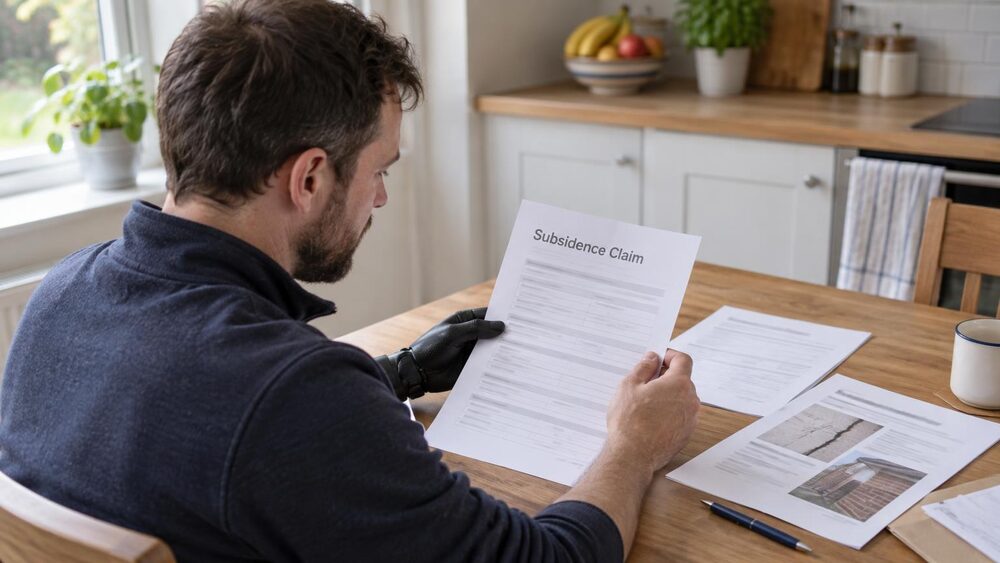
Figures from the Association of British Insurers (ABI) show that 18,000 subsidence claims were made in the second half of 2022, following the heatwave in June and July1. With claims averaging £9,600, the industry anticipates it will have paid out £219m once all are settled1. Subsidence is when the ground sinks beneath a home and pulls the building's foundations with it, causing structural damage, and typically happens during a prolonged period of hot weather without rain1.
Admiral found that claims for damage caused by garden fires rose by 500% during the hot weather in May, June and July 2022 compared with the previous year1. LV also saw a spike in fire damage claims during last summer's heatwave, with the majority made between 17 and 20 July and related to fires started in a nearby open area or heathland which spread into gardens1. The most common claims were for loss of garages, fences, greenhouses, sheds and tools, garden furniture and decking, as well as lost trees, shrubs and flowers, while 8% of claims involved the total loss of a home1.
Subsidence can affect the cost of home insurance. Compare the Market's data shows insurance premiums in May 2023 for homes with subsidence cost, on average, up to £320, compared to £171 for homes without subsidence1.
The ABI said:
"While no two bouts of extreme weather are the same, insurers expect weather events to happen at any time and are geared up to helping customers recover from them as quickly as possible."
On what policies cover, Which? reports that most home insurance policies offer storm damage cover as standard, though the level of cover may differ between providers, and that flood cover is also a standard part of buildings insurance1. Subsidence is covered by standard policies but usually has a higher excess1. To protect against loss or damage to contents left outside but within the boundaries of a home, such as a garden, 'contents in the open' cover is needed1. Admiral told Which? that it will not cover loss or damage caused by heat without fire, so a claim cannot be made if plastic garden furniture is melted, warped or scorched in hot weather1. An insurer may refuse a claim if a building has suffered from subsidence in the past or if proper maintenance has not been undertaken1.
Separately, ABI data shows storms Dudley, Eunice and Franklin caused damage worth roughly £500m in the UK in 2022, with 177,000 claims arising for affected homes, vehicles and businesses1.
Why it matters for households
The figures set out the scale of what households claimed for after the 2022 heat, and how that has fed into insurance pricing. Homes with a history of subsidence faced average premiums of up to £320 in May 2023, against £171 for homes without, according to Compare the Market1. Which? notes that another long, hot, dry summer could see subsidence claims spike again, and that with climate change expected to bring more extreme heat, subsidence could be a long-term problem for homeowners and one that might push up premiums in the future1.
For anyone claiming, the terms of the policy decide the outcome. Subsidence sits within standard cover but usually carries a higher excess, garden contents need 'contents in the open' cover, and heat damage without fire is excluded by at least one insurer1. Which? reports that if a home is suspected to be affected by subsidence, contacting the insurer promptly matters, as it can often require a period of monitoring to understand the cause and the right action needed1.
What happens next
No further dated steps have been reported. Which? notes that another long, hot, dry summer could see subsidence claims spike again later this year1.
 MoneyHelperFree, impartial money and pensions guidance, set up by government
 Financial Ombudsman ServiceFree, independent help when a complaint about a firm is not put right
 FSCSProtects your money if a bank, insurer or investment firm fails
 Citizens AdviceFree advice on money, consumer and legal problems in England and Wales
 GOV.UKOfficial information on tax, benefits and government services