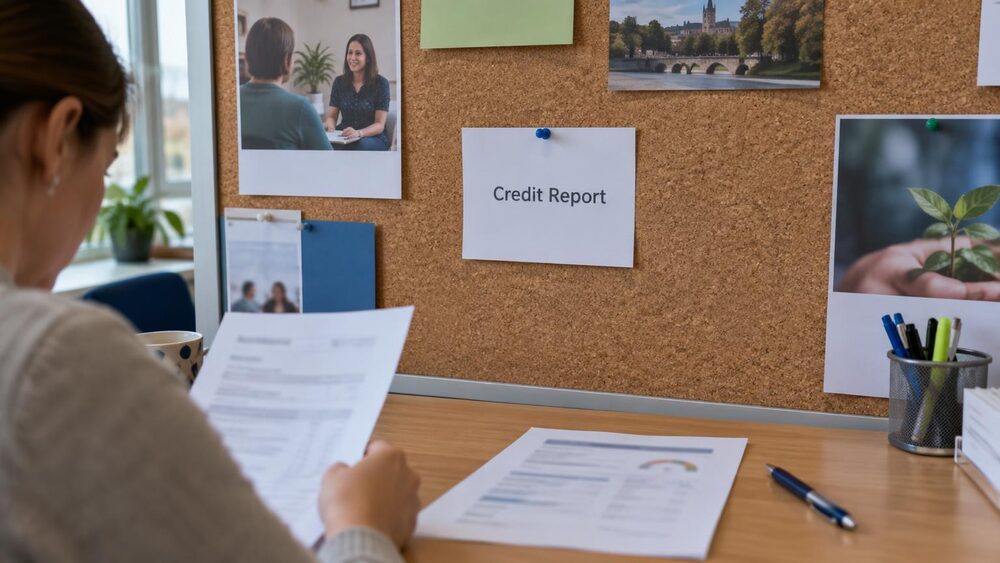
Klarna started reporting buy now, pay later borrowing to credit reference agencies in June 2022, in a bid to improve the visibility of shoppers' debt1. The company reported to Experian and TransUnion from that month2.
Buy now, pay later schemes are a form of credit that allow a payment to be spread across multiple instalments, or paid at a later date, interest-free1. At the time, these short-term interest-free schemes were not regulated by the Financial Conduct Authority, unlike more traditional forms of credit1.
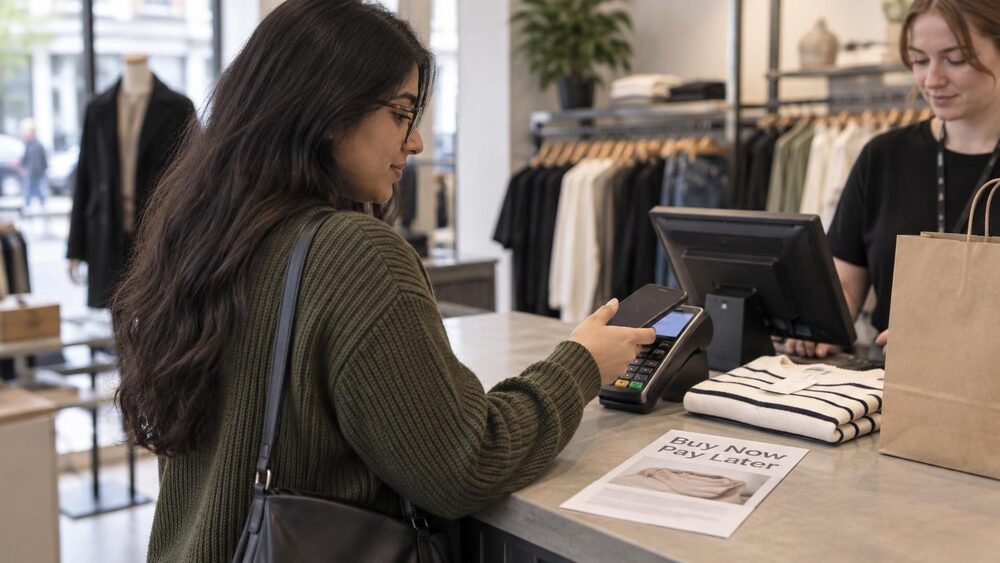
The change meant existing, late and unpaid Klarna balances became visible on a credit file to other lenders, and mortgage lenders could possibly include the monthly commitments as part of their affordability checks4. Klarna borrowing was not factored into credit scores at that point because agencies needed time to update their credit scoring systems, though missed repayments could have a negative impact on a score with others4.
Reporting was not universal across the sector. Clearpay did not report to any agencies, so its repayments could not help build or harm a credit score4. Which? noted that many other buy now pay later lenders had not followed Klarna's approach, which meant it could have limited effect1. Some buy now pay later firms only ran soft credit checks, while others such as Clearpay ran no checks at all and instead started shoppers on a low limit that increased with repayments1.
"Klarna started reporting BNPL borrowing to credit reference agencies in June, in a bid to improve the visibility of shoppers' debt"
The reporting began as the Treasury set out plans to strengthen the rules for buy now pay later schemes, including Klarna and Clearpay, as part of its regulation of the sector1. Under the proposed rules, lenders would need to be approved by the FCA before offering their products to shoppers, and would be required to carry out affordability checks1. Other forms of short-term interest-free credit, such as that used to pay for dental work or larger items like furniture, would also have to comply1.
Why it matters for households
For Klarna users, borrowing taken out from June 2022 could appear on an Experian or TransUnion credit report, meaning other lenders and mortgage providers may see existing, late and unpaid balances4. Missed repayments could have a negative impact on a credit score with some agencies, even though the borrowing itself was not then factored into scores4. Shoppers using providers that did not report, such as Clearpay, would not see their repayments build or harm a credit score4.
The wider picture is that buy now pay later borrowing is recorded inconsistently across lenders and agencies, so the effect on any individual credit file depends on which provider they used4. Which? has said that with the cost of living rising, the urgent introduction of robust affordability checks is key to protecting consumers from spiralling debt1.
What happens next
The government said draft legislation would be published towards the end of 2022, followed by secondary legislation by mid-2023, after which the FCA would run a consultation1. The Treasury first announced its plans to regulate the buy now pay later sector in 20211. Under the government's plans, buy now pay later shoppers would also be able to take complaints to the Financial Ombudsman Service, and Section 75 protection would apply to transactions for goods costing between £100 and £30,000, though many buy now pay later orders fall below £1001.
For more on how this affects borrowing records, see does Klarna affect your credit file? and buy now pay later providers.
Sources4 cited
- 'Buy now, pay later' regulation: 6 things you need to know about the plans - Which? which.co.uk
- How to improve your credit score in the UK - Which? which.co.uk
- How to improve your credit score in the UK - Which? which.co.uk
- Credit reports: how they work and what's on it - Which? which.co.uk
 MoneyHelperFree, impartial money and pensions guidance, set up by government
 StepChangeFree debt advice and solutions from a charity
 National DebtlineFree debt advice by phone, webchat and online
 Financial Ombudsman ServiceFree, independent help when a complaint about a firm is not put right
 Citizens AdviceFree advice on money, consumer and legal problems in England and Wales