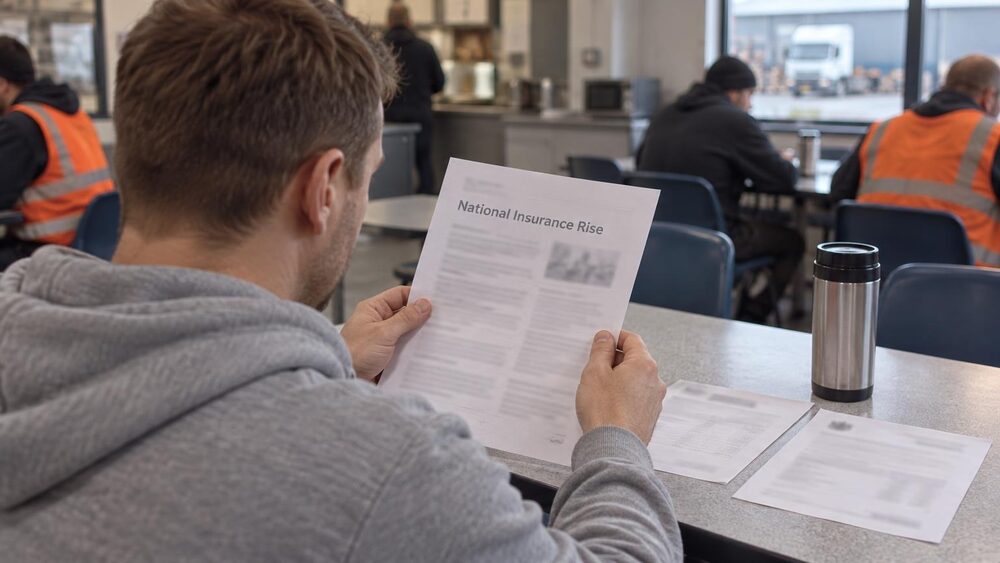
Labour politicians have repeatedly claimed there have been 25 tax rises since the 2019 general election, a figure Full Fact examined in a fact check published on 24 January 20241. The fact checking organisation said it contacted the Labour party press office on several occasions to ask for the evidence behind the claim but received no response1.
Full Fact said what appears to be the list was shared with it by Lord Livermore, a shadow exchequer secretary to the Treasury, when he was contacted about his use of the figure1. The list includes 25 entries, among them freezes to the income tax personal allowance, the inheritance tax threshold and the capital gains tax annual exempt amount, three instances of "council tax measures", and a "freeze in student loan repayment threshold announced January 2022"1.
Full Fact noted that the list appears to include a change to income tax that was never implemented, described as the "increase in income tax rate in October 2022 mini-Budget U-turn"1. In September 2022, then chancellor Kwasi Kwarteng announced that the basic rate of income tax would decrease from 20% to 19%; when Rishi Sunak became Prime Minister the following month, the planned cut was cancelled before it was due to be introduced, so the rate stayed the same1.
Full Fact also identified tax measures with a revenue-raising effect that are absent from the list. It said possible examples include the energy profits levy (windfall tax), the rise in National Insurance that was implemented between April 2022 and November 2022, the climate change levy and the plastic packaging tax1. Some tax rises announced but not yet implemented, such as the increase in the Annual Tax on Enveloped Dwellings, are also not on the list1.
On the treatment of threshold freezes, Full Fact said counting them as tax rises appears uncontroversial1. Stuart Adam, a senior economist at the Institute for Fiscal Studies, said it is "entirely fair to count threshold freezes (whether income tax or inheritance tax) as tax rises, and the government itself does so"1. The process, known as fiscal drag, "increases people's taxable income without nominal tax rates actually increasing"1.
"If you simply add up the number of tax reforms announced since 2019 with a positive revenue yield, there are literally hundreds. On the same basis, there have also been hundreds of tax cuts."
Adam also said counting tax rises is "pretty arbitrary" and "pretty meaningless" if each rise is counted regardless of whether it raises £5 million or £50 billion1. The IFS has said the current parliament is "the biggest tax-raising parliament in modern times"1.
Why it matters for households
The disputed figure concerns how many separate tax changes have taken effect since December 2019, not the size of any individual change. Several measures on the list affect National Insurance thresholds and income tax thresholds, which determine when people start paying tax and at what rate. Freezes to those thresholds mean more people move into higher tax brackets as salaries rise, a process the House of Commons Library describes as fiscal drag1.
The National Insurance rise Full Fact identifies as missing from the list was implemented between April 2022 and November 20221. The list also counts three sets of "council tax measures", which Full Fact says may refer to increases in the amount councils in England can raise council tax by without holding a local referendum; councils themselves decide changes for their residents, and the higher maximum was not compulsory1.
What happens next
Full Fact said the Labour party press office did not reply when asked to confirm the list behind the claim1. It said it has not seen the list of 25 tax rises published anywhere, and that parties should back up claims with evidence and be transparent about sources and calculations1. No further response from Labour has been reported.
 GOV.UKOfficial information on tax, benefits and government services
 MoneyHelperFree, impartial money and pensions guidance, set up by government
 Citizens AdviceFree advice on money, consumer and legal problems in England and Wales
 Turn2usFree benefits calculator and grants search from a charity
 Citizens Advice ScotlandFree advice across Scotland