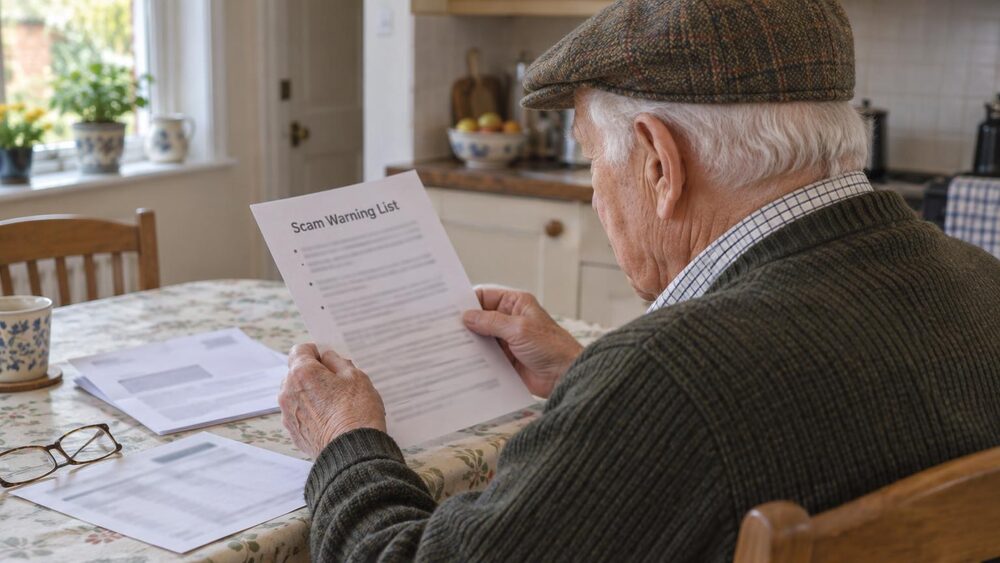
The Financial Conduct Authority added 1,966 possible scams to its consumer warning list between May 2021 and April 2022, over a third more than during the same period the previous year1. The figures were reported by the Finance & Leasing Association, which said the FCA announced them in a press release as part of an update on its data strategy1.
The FCA said it is using data to tackle online fraud faster by scanning approximately 100,000 websites created every day to identify those that appear to be scams1. Where it identifies fraudulent websites, it is proactive in requesting the website host shut them down, though it does not have the powers to force them to1. The FCA has not reported how many of the 1,966 entries led to a site being taken down, or how many of the sites it scans are UK-facing.
"Between May 2021 and April 2022, the FCA added 1,966 possible scams to its consumer warning list, over a third more than during the same period the previous year."
The warning list is the register consumers can check before dealing with a firm or website, and it sits alongside the FCA's ScamSmart material. The FCA's data strategy also underpins its three-year strategy to reduce and prevent serious harm, set higher standards and promote competition, according to the same report1.
Separately, following Russia's invasion of Ukraine, the FCA has developed and implemented a sanctions screening tool to support the monitoring of the effectiveness of a firm's controls in identifying organisations or individuals that have been sanctioned1. The report does not give a date for when that tool was introduced, or say how many firms it covers.
Why it matters for households
The warning list is a public record of firms and websites the FCA considers to be possible scams. A rise of over a third in additions over the year to April 2022 means the list grew faster than in the period before it, so anyone checking a firm against it has more entries to search through1. The list covers possible scams rather than confirmed losses, and the FCA has not reported how much money consumers lost to the sites it flagged.
The limits of the FCA's powers matter for anyone caught out. The FCA can ask a website host to shut a fraudulent site down but cannot force it to, so a flagged site may stay online1. The sanctions screening tool concerns firms' own controls for identifying sanctioned organisations or individuals, rather than payments or accounts held by consumers1.
What happens next
No further dates have been reported. The FCA's data strategy update, which the figures come from, has not been given a publication date in the report, and no timetable has been set out for future warning list additions or for the sanctions screening tool1.
Consumers can check a firm or website against the FCA Warning List and ScamSmart before dealing with it, and our scams and fraud guide sets out how common scams work and how to report them.
 FCA Warning ListCheck whether a firm is authorised before you deal with it
 Financial Ombudsman ServiceFree, independent help when a complaint about a firm is not put right
 Citizens AdviceFree advice on money, consumer and legal problems in England and Wales
 MoneyHelperFree, impartial money and pensions guidance, set up by government