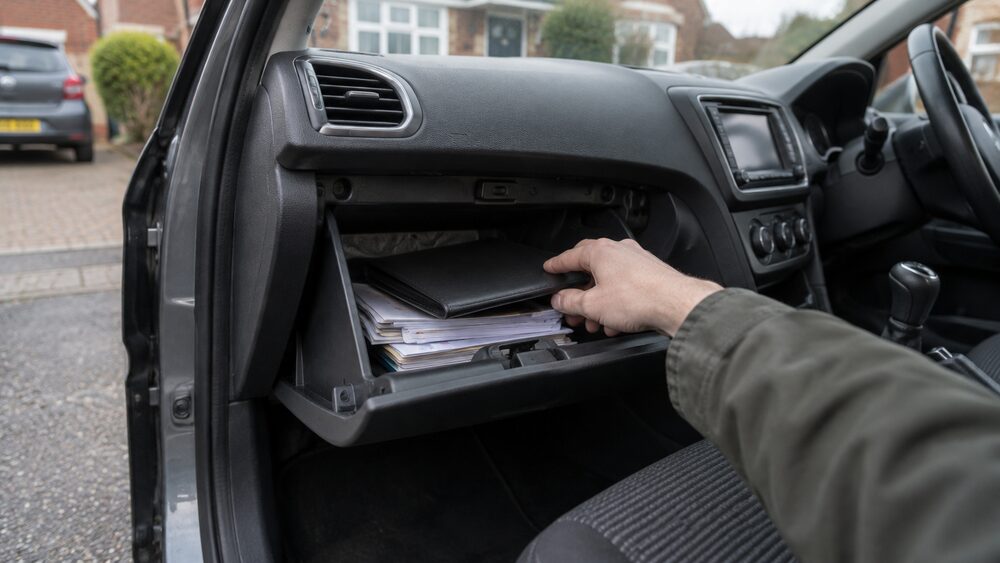
If you have ever had a credit card, a loan or a mortgage, one of three main credit reference agencies holds a file on you1. That file records your credit agreements, including car finance, and it names the company you borrowed from. So if you cannot remember who financed a car, or you want to complain about how a past agreement was sold, your credit file is usually the quickest place to find the answer.
A credit file lists your debts, bank accounts, loans, credit cards and other credit, along with bills such as mobile phones, utilities and insurances, and any county court judgments or insolvencies2. The Financial Conduct Authority (FCA) suggests three ways to identify a past car finance lender: check old bank statements, contact the dealer where you got the car, or check your credit file, which you can access for free3. This matters most at the moment for commission complaints: the motor finance redress scheme covers certain motor finance agreements where commission was not properly disclosed4, and around 12.1 million agreements are expected to be due compensation5. If you bought your car with a finance package such as a PCP or HP, or a lease, the car technically belonged to the finance company, and the dealer may be able to tell you which one it was6.
Your credit file shows who your car finance was with
A credit reference file holds factual information about you, which can include your payment record on agreements2. When you take out car finance, whether hire purchase, personal contract purchase or a logbook loan, the lender appears on your file as an account in its own name, and your monthly payments are recorded against it. With logbook loans, you hand ownership of your car to the finance company until you make the last payment, so the lender's name is central to the whole arrangement11.
The file is more than a list of debts. It also shows details of companies and organisations that have looked at your information in the last 12 months, which can help you remember which lenders you dealt with12. Credit reference agencies also hold details about you that make it hard to avoid debts, including your current address, previous addresses and any different names you have had2. All of this helps an agency match you to the right records, including old car finance.
This matters for more than curiosity. The FCA publishes a list of car finance lenders with complaint information, so once you know who your lender was, you can search for it in that list and use the lender's complaint form, or download the FCA's template complaint letter or email and fill in your details before sending it3. The dedicated guide to the motor finance redress scheme explains what the scheme covers and how to claim, and how car finance works explains the agreement types themselves.
The three credit reference agencies: Experian, Equifax and TransUnion
In the UK there are three main credit reference agencies: Experian, Equifax and TransUnion, formerly called Callcredit7. The Information Commissioner's Office (ICO), the data protection regulator, confirms the same three: the main consumer credit reference agencies in the UK are Equifax, Experian and TransUnion13.
These agencies are not government bodies. They are companies that keep records of all credit histories, including missed payments, and they can give you access to this information online14. Their files are built from two kinds of information: data supplied by lenders and other organisations, and information the agencies generate themselves, which includes financial links, linked addresses and alias information13. They also hold details of your previous addresses and information from public sources such as the electoral roll, county court judgments, and bankruptcy and insolvency data13.
The information held by the agencies is used for more than lending decisions. The ICO explains that it is also used to verify people's identity, age and residency, to identify and track fraud, to combat money laundering and to help recover payment of debts13. For someone tracing an old car finance agreement, the relevant part is the lender-supplied data: the account records that name the finance company.
Check all three, because each holds different records
It is worth checking your credit file with all three credit reference agencies, because they keep different records, so this covers everything14. The reason is structural. There is no requirement under data protection law for lenders to report data to all the agencies: it is up to each lender to decide which agency it wishes to use, if any13. Not all lenders report to credit reference agencies, and some lenders may only report to one or two of them15.
Each agency gets different information from lenders, which means your credit file may not look the same across the three2. They do not always have the same information about your credit score either16. So a car finance agreement can appear on your Experian report while being absent from your Equifax report, purely because of which agency the lender chose to report to.
There is one exception to the general rule that the agencies hold separate data. The ICO notes that the agencies have a special agreement in place which enables them to share information with each other about victims of fraud13. That sharing is limited to fraud records; it does not mean your ordinary credit accounts are pooled.
How to get your credit report free
You do not have to pay to see your own credit file. The ICO confirms that asking for your statutory credit report is free of charge8, and independent guidance says the same: you can get a statutory credit report for free17. You can either ask the agencies to post a copy to you or view it online for free with adverts2. You can also contact an agency and ask for a free copy of your credit report under the Data Protection Act 201818.
For TransUnion specifically, there are two well-known free routes: you can access your TransUnion report and score for free via Credit Karma, formerly called Noddle, and you can also access your TransUnion credit report for free via the Money Saving Expert Credit Club19.
One point of disagreement between documents: a report citing older guidance says consumers can obtain their statutory credit file for £2 from the agencies20, while the ICO's current guidance states the request is free of charge8. If an agency asks you to pay, you can point to the ICO's guidance.
There is no need to pay for a report when working out what you owe, but keep your card details handy, as this helps the agencies find your record14. That is for identification, not payment. The wider guide to credit scores and credit reports covers how the reports and scores relate to each other.
What you need to give when you ask for your report
To find your record, an agency needs enough details to match you to the right file. Keeping your card details handy helps them find your record14. Your full name, current address and any previous addresses matter because the agencies hold details of your previous addresses, and addresses are one of the main ways files are matched13.
If you ask for a posted copy, your report is sent to you within seven working days unless the agency needs you to send proof of your identity and address first21. That proof step is a fraud protection measure: because credit files are used to verify identity, the agencies need to be sure they are sending your file to you and not to someone else. Guidance on protecting your identity notes that the agencies hold files on people who have had credit, and that identity checks are part of how the system stays safe1.
If you have changed your name, or used a different name when you took out the finance, give both. The agencies hold different names you have had, shared with them by lenders and other organisations2, so a former name can be the key to finding an old agreement taken out before a marriage or divorce, for example.
Six years: how far back your credit file goes
Your credit file shows information about your credit use in the past six years22. That six-year limit applies to most things on the file. Debts show on your credit file for six years from the date they are paid off, or the date the account defaulted2. Accounts appear on your file for six years from when they default, and after that they drop off22. Some information stays on your file for six years, like missed payments, defaults and court judgments23.
The same six years applies across the record types an agency keeps:
| What is on the file | How long it stays |
|---|---|
| Missed payments (arrears) | Six years21 |
| Defaults | Six years from the date of default21 |
| County court judgments | Six years from the date of the judgment, whether or not paid21 |
| High court judgments | Six years from the date of the judgment, whether or not paid21 |
| Administration orders | Six years from the date of the order21 |
| Bankruptcy orders | Normally six years from the order, unless a restriction lasts longer21 |
| Debt relief orders | Normally deleted after six years21 |
| IVAs | Normally six years from the date the IVA was set up21 |
| Details of credit use generally | The past six years22 |
The six-year timeline for a settled car finance agreement on a credit file.
The practical consequence is that a credit file is a reliable way to find car finance from roughly the last six years, but not older agreements. If the finance ended more than six years ago, the entry has dropped off, and you need the other routes: old bank statements, the dealer, or the Equifax Car Finance Checker, which includes most car finance records back to 20073. Details are recorded on the file for six years whether they are good or bad, so a fully paid agreement disappears on the same clock as a defaulted one24.
What a car finance entry on your report tells you
Once you find the entry, it tells you more than the lender's name. The file holds factual information, which can include your payment record on the agreement2. A car finance entry typically shows the finance company as the account holder's counterparty, the status of the account, whether it is open, settled or defaulted, and the history of payments made against it.
The type of agreement also shapes what the entry means. With logbook loans, you hand ownership of your car to the finance company until you make the last payment11, so the entry records a secured arrangement on the vehicle. With lease or hire agreements, you cannot sell the car, and the finance company can take the car back if you miss payments11. The guide to logbook loans covers that type of borrowing in detail.
Your report also shows previous searches: details of companies and organisations that have looked at information on your file in the last 12 months12. If a car dealer ran a credit check when you were shopping for finance, that search can itself be a clue to which lenders were involved, even before you find the account entry.
One related tool works in the opposite direction: a vehicle history check on the car itself. If finance is recorded on the vehicle, you will be able to find out which company it is with, when it was taken out, how long for and what type of finance it is25. That is most useful for a car you still own or are checking before buying, rather than one you sold years ago.
Where your credit report may not show the agreement
There are several reasons an old car finance agreement may not appear, even on all three reports.
First, the six-year limit: anything older has dropped off22. Second, the lender may not have reported to that agency, or to any of them, since reporting is the lender's choice13. Third, some very old agreements were never regulated at all: before 6 April 2008, a personal credit agreement providing credit exceeding £25,000 fell outside the definition of a regulated agreement under the Consumer Credit Act, and so would not be a motor finance agreement for the redress scheme26.
Four ways to trace a car finance lender when the credit report alone is not enough.
The FCA points to a dedicated tool for exactly this problem: the Equifax Car Finance Checker, which includes most car finance records back to 20073. That reaches far beyond the six years a standard credit file covers, and it is free to access3.
Other routes fill the remaining gaps. Old bank statements show who received your monthly payments3. The dealer where you got the car can say which lender it used3. A vehicle history check reveals finance recorded on the vehicle itself, including which company it is with and when it was taken out25, though not all agencies offer a full range of services, so check what is on offer before you buy25.
Some tools have known limits. Credit Matcher, from Experian, does not have full details of debts2. And some categories of borrowing never reach the credit reference agencies at all: information for a new-style student loan taken out for courses that started on or after September 1998 is not generally passed to the agencies, and details of council tax debts are not kept by them21. Car finance is not in those excluded categories, but the examples show why an absence from a file is not always proof that no agreement existed.
Wrong or missing details: correcting your file
If you find an entry that is wrong, or an agreement that is missing, you can ask the agency to correct it. Under data protection law you have the right to get your data corrected, and if an organisation needs more time to consider a correction request, it lets you know within one month that it needs more time and why27.
There is an important limit on what an agency can change. The ICO says credit reference agencies cannot amend data on credit files provided by other companies without that company's permission10. So if a car finance lender recorded something incorrectly, the agency has to go back to the lender to fix it, rather than simply editing your file. The agency removes the information or explains why it will not within 28 days10.
Where the information is correct but the context matters, you can add a notice of correction. Consumers may ask to submit a notice of correction to explain the circumstances10, and the notice can be up to 200 words long7. You can use it to add extra information about your situation, for example if you have had a past debt but have now paid it off12. A notice does not delete anything; it sits alongside the entry so that anyone reading the file sees your explanation.
Disputes take time to resolve. Lenders and credit reference agencies have up to 28 days to respond to a dispute, and Experian says it usually resolves issues in less than two weeks28. One source gives a slightly different figure, saying a response comes within one month16; the two are close, and either way the process is measured in weeks, not days.
The ombudsman has shown it can order corrections as part of putting things right. In one published case about a car finance agreement, the ombudsman told the finance company to take back the car, cancel the remaining finance amount and correct any adverse entries it had applied to the customer's credit file29. So if a car finance dispute has left wrong marks on your file, correcting the file can be part of the remedy. The guide to how loans affect your credit file covers the wider picture.
Complaining about a credit reference agency
If an agency handles your file badly, you have the right to complain to the Financial Ombudsman Service about how a credit reference agency has dealt with your credit file, following the agency's complaints process first18. Credit record complaints are a real category: in the first quarter of 2026/27, 228 complaints about credit records were opened, alongside 2,103 about personal loans and 5,783 about credit cards.
The process is the standard one for financial complaints. Complain to the agency first, in writing, setting out what is wrong and what you want done. If the agency does not resolve it, take the complaint to the ombudsman. The ombudsman's approach to car finance complaints shows how it thinks about these files: where credit has been used directly to fund the cost of a car, it would usually instruct the credit provider to take back the car and cancel any further amounts due29.
Once your file has given you the lender's name, the FCA's list of car finance lenders tells you how to complain about the finance itself: search for your lender in the list and use the lender's complaint form, or download the FCA's template complaint letter or email and fill in your details before sending it3. The ombudsman can also help with complaints about commission in car finance, which cover certain motor finance agreements4. The guides to complaining about a lender or finance company and car finance companies set out the full process, and free, impartial help is available from MoneyHelper and the debt advice charities.
Sources29 cited
- Protect your identity nidirect, 2025-10-28
- Finding who I owe money to StepChange Debt Charity, 2026-09-25
- List of car finance lenders and how to complain Financial Conduct Authority, 2026-09
- Complaints about commission in car finance Financial Ombudsman Service, 2026-03-30
- How to complain about a commission arrangement on a car finance loan Which?, 2026-03-31
- How to complain about a car dealer Which?, 2026-03-10
- Credit reports and credit reference agencies Advice NI, 2026
- Your right to see your credit information Information Commissioner's Office, 2026-09-25
- How does debt affect a credit file? StepChange Debt Charity, 2026-09-25
- How to improve your credit score Which?, 2025-10-24
- Car finance debt StepChange Debt Charity, 2026-09-25
- How lenders decide whether to give you credit Citizens Advice, 2026-09-25
- Credit: how credit reference agencies use your data Information Commissioner's Office, 2026-09-25
- Work out what you owe StepChange Debt Charity, 2026-09-25
- Can you get a mortgage with a debt management plan? National Debtline, 2026-09-25
- How to rent with a poor credit history Shelter England, 2026-05-01
- Getting ready for money advice National Debtline, 2026-09-25
- Credit reference agencies Business Debtline, 2026-09-26
- How to check your credit score for free Which?, 2025-10-24
- Payday lending report Financial Ombudsman Service, 2026-09-27
- Credit reference agencies guide National Debtline, 2026-09-25
- Bankruptcy and my credit rating StepChange Debt Charity, 2026-09-25
- DMP and credit score StepChange Debt Charity, 2026-09-25
- Checking the history of a motor vehicle Finance and Leasing Association, 2026-09-25
- Motor finance commission consumer redress scheme (2007-2014) rules FCA Handbook, 2026-03-31
- Your right to get your data corrected Information Commissioner's Office, 2026-09-26
- Credit reference agencies and credit files House of Commons Library, 2026-09-26
- Case study: struggling to repay a car finance agreement Financial Ombudsman Service, 2026-09-26
- Quarterly complaints data Q1 2026/27 Financial Ombudsman Service, 2026





 MoneyHelperFree, impartial money and pensions guidance, set up by government
 StepChangeFree debt advice and solutions from a charity
 National DebtlineFree debt advice by phone, webchat and online
 Financial Ombudsman ServiceFree, independent help when a complaint about a firm is not put right
 Citizens AdviceFree advice on money, consumer and legal problems in England and Wales