
A consolidation loan replaces several debts with one new loan and one monthly repayment. You work out how much you need to borrow to pay off all your debt, apply for a loan for that amount, and if approved use the money to pay back each of your creditors, leaving one monthly repayment to the loan lender1. Consolidating debt is when you take out a single, new loan to pay off several existing debts2.
The alternative is free debt advice, which usually leads to a debt management plan (DMP). A DMP is based on what you can afford right now rather than signing up for more credit, and it helps you pay back debt with one monthly payment3. A charity does the work of dealing with your creditors4.
The two routes are not variations of the same thing. A consolidation loan is new borrowing: it does not reduce what you owe, and it can add to your debt or take longer to pay off5. Debt consolidation is rarely the solution to a serious debt problem, because in practice the borrower is simply increasing the amount they owe6. Free advice comes first for anyone whose difficulty is affording the monthly payments rather than the number of them.
A consolidation loan swaps several debts for one fixed repayment
Consolidating your debts means you get one single loan to pay off all or some of your other debts10. You can consolidate existing debts into one personal loan, so you only have one set of repayments11. After consolidating you only have one monthly repayment to make to the loan lender, which can make budgeting easier to manage1.
The mechanics are straightforward. You pay off your creditors with money you borrow, then make monthly payments to pay off the loan instead of your credit cards5. The advantages official guidance lists are a lower rate of interest, lower monthly payments, a known end date, a single monthly payment, dealing with only one lender, and avoiding a bad credit rating from missed payments2.
Two things a consolidation loan does not do. It will not reduce the amount that you owe, though it can help you manage it in a simpler way12. And it does not suit everyone: generally, consolidation loans should only be considered by people with good credit histories and a relatively high proportion of high interest debt, such as store and credit cards6.
If you are juggling several debts and the problem is the number of payments rather than the total, a consolidation loan addresses that directly. If the problem is that you cannot afford what you are already being asked to pay, the same loan adds a new commitment on top of the old ones, and the free advice route is the one built for that situation.
What a consolidation loan costs: interest, fees and term length
Interest and charges are added to your repayments13. The rationale behind consolidating debts is to secure a lower rate of interest, so that the borrower has only one, lower monthly repayment to make6. Whether that happens depends on the rate you are offered, which is not the rate advertised.
You might not always get the interest rate advertised, so check this once you have applied14. A lender's best deals are usually only available to people with the highest credit ratings15. The loan rate offered may be higher than the interest charges on your current debts12, and the added interest may not be cheaper than you are paying now1.
Where a poor credit history is involved, the numbers can be stark. One worked example from a debt charity shows borrowing £5,000 for five years at an example 30% interest charge, with £4,076 interest on top3. Another shows borrowing £2,000 for 10 years at 99% interest, costing an extra £12,180 in interest3. These are illustrations of how a high rate compounds over a long term, not quotes for any product.
Before signing, official guidance says to check the repayment length and total cost, whether the interest rate can change, the monthly repayments and penalties for missing one, any early repayment penalties or costs, and what happens if the loan is secured on your home and you cannot keep up repayments2.
A longer term lowers the monthly payment but raises the total cost
This is the single most important trade-off on the page. Debt consolidation may help to make your debt more affordable by lowering the monthly payment you need to make15. But a longer loan, even on better terms, can mean you pay more in the end6.
The reason is arithmetic. If you take out a loan over a longer period of time you may find that the payments seem lower, but you pay interest for the whole time you owe the money, so you end up paying more14. Some consolidation loans may take you a longer time to pay back than your original debt, which can make them more expensive in the long term than your current debt15. The repayment term will typically be longer than your existing credit commitments are scheduled to run for, and the total amount you pay back will be more than the amount you currently owe6.
The risk is not only cost. The payments could be bigger or last longer, and you might end up paying more overall16. Consolidating credit card debt by moving balances onto a low interest credit card can often take longer to pay off and can actually add to your debt, especially if you only pay the minimum repayment amounts each month1.
| What changes | Shorter term | Longer term |
|---|---|---|
| Monthly payment | Higher | Lower15 |
| Total interest paid | Lower | Higher6 |
| Time in debt | Shorter | Typically longer than your existing commitments6 |
| Budgeting | Tighter each month | Easier each month1 |
The rule the FCA expects firms to apply when a loan's main purpose is consolidating existing debts is that the firm must take account of the costs associated with increasing the period over which a debt is to be repaid, whether it is appropriate to secure a previously unsecured loan, and whether negotiating an arrangement with creditors would be more appropriate where the customer has payment difficulties17. In other words, the regulator expects the longer-term cost and the alternative of negotiating with creditors to be part of the conversation.
Who can get a consolidation loan and how your credit score affects the rate
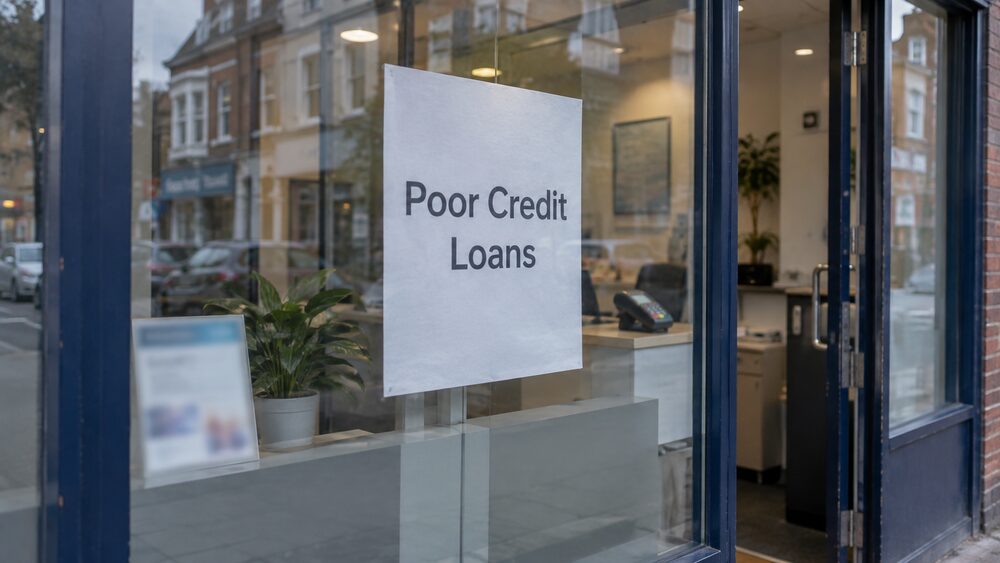
Eligibility turns on your credit history. If you have a poor credit rating, you may only be able to get a loan at a high interest rate or secured against your home2. If you have a poor credit score or a rocky credit history, you will likely pay higher interest rates and may not be offered the lowest-rate debt consolidation deals18. Consolidation loans for people with poor credit exist, but you will likely pay higher interest rates and may not be offered the lowest-rate deals19. A lender's lowest-rate deals are usually only available to people with the highest credit ratings12.
There is no minimum or maximum level of debt. It will depend upon what the lender is prepared to lend20. Unsecured consolidation loans can go up to £25,000 or even £50,000 with some lenders7. Individual lenders set their own limits: one credit union caps consolidation borrowing at £15,00021, and another asks whether you have debts between £2,000 and £10,000 that are hard to pay22.
Taking out a loan means taking out more credit, which could affect your credit score1. Your credit score will dip when you first take out a new loan, though it may help you repair your credit file over time if you keep up with payments23. Multiple applications for consolidation loans can affect your credit file, and lots of searches can make it harder to take out credit or stop you getting the lowest-rate deals15.
A low credit score or a less-than-ideal credit history can make it harder to get approved for consolidation loans, and may mean being offered higher interest rates than you pay now, or higher risk secured loans1. If your credit history is the obstacle, getting a loan with a poor credit history sets out what lenders look at and what the alternatives are.
Unsecured or secured: what you put at risk
A consolidation loan may be an unsecured personal loan, or, if you are a homeowner, it may be secured against your home10. For most borrowers, a debt consolidation loan is like any other personal loan for a holiday, new car or extension: it is unsecured, not linked to your home or any other asset12.
The difference matters enormously if things go wrong.
Unsecured. The loan is not linked to your home19. It is classified as a non-priority debt, and if you do not pay you can be taken to court and risk having a county court judgment against you10. Lenders will look at your credit history and affordability to check whether they should lend to you3.
Secured. The money you borrow is financially linked to your home3. The loan becomes a second mortgage on your home and puts it at risk: your home can be repossessed if you cannot keep up the payments8. The lender can take and sell your property, and your credit rating will be affected7. Secured loan repayment terms are often a lot longer than unsecured loans, so more interest is paid overall7.
Secured consolidation loans are easier to get approved for, but with much higher risks if you cannot repay, which is why they are sometimes offered to people with poor credit scores or a rocky credit history18. Many secured loans are offered as a way to consolidate your debts, with interest rates lower than unsecured personal loans because the risk to the lender is reduced24. The lower rate is the price of the security you are giving.
If you are weighing these up, secured or unsecured borrowing compared sets the two side by side, and missing secured loan repayments and your home explains what happens if a secured loan falls into arrears.
How to apply for a consolidation loan
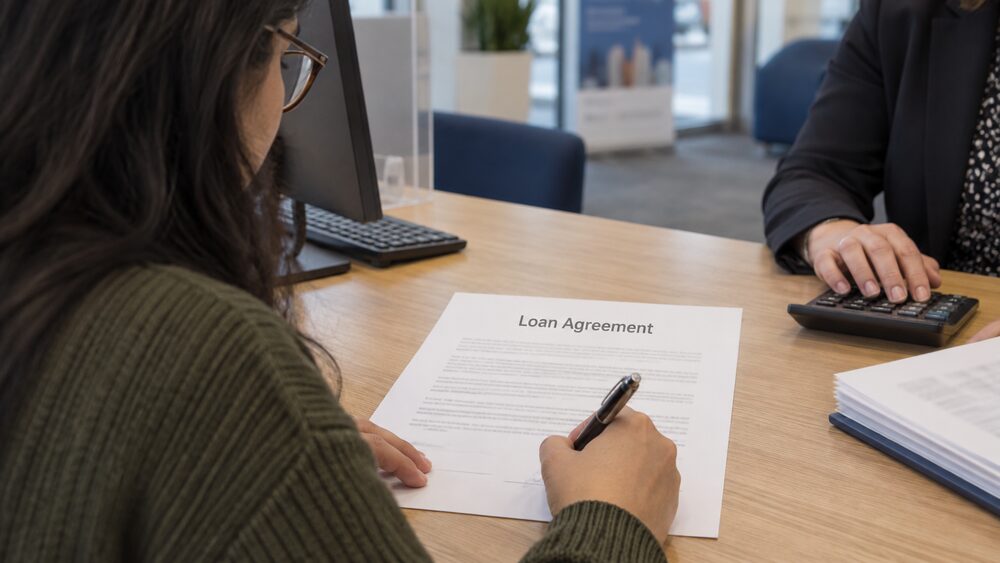
The process is the same shape as any personal loan application. You work out how much you need to borrow to pay off all your debt, apply for a loan for that amount, and if approved use the money to pay back each of your creditors1. You can apply for a loan in person at a branch or by post, phone or online, and you will usually be asked to make the repayments by direct debit from your bank account25.
Lenders differ in how they take applications. One bank lets existing customers apply in the app, or apply online, or book an appointment in branch or over a video call26. One credit union asks you to select the amount and term on a calculator, then select Check My Eligibility on the loan product you wish to apply for22. Another accepts consolidation loan applications only by visiting a branch in person21.
Have your paperwork ready. One credit union asks for proof of your income, details of the debts you want to combine into one loan, a valid ID and proof of your current address21. A bank asks for details of your employment, your monthly incomings and outgoings, your bank details, and personal information such as your home address and email26. If you take advice first, an adviser will want bank statements for the past three months, benefit letters or other proof of income, information on how old your debts are, any letters or demands from your creditors, and a pen and paper to take notes27.
Decision times vary. One credit union says you will receive a decision within two to three working days once all required documentation has been received22.
What happens if you miss repayments
Missing payments on a consolidation loan is more serious than missing a payment on one of several debts, because the whole loan can be called in. If you miss payments on a consolidation loan, the lender could ask you to repay the loan in full, including all the interest that would have been paid by the end of the agreement15.
On an unsecured loan, late payment fees could be added to the amount you owe and interest added will only increase the amount you owe, with a default notice on your credit file and possible county court judgments7. When you miss payments on a debt and cannot get up to date within 14 days, this is a default28.
You need to be really sure you will be able to keep up with the repayments, because missed or late payments can create more problems1. If the loan is secured on your house, it could be repossessed if you do not keep up with the payments29.
A debt management plan behaves differently. Providers may extend the term, advise on the impact, or review the budget, and the plan is at risk of being cancelled if payments are missed a lot30. One charity does not cancel plans for one missed payment, especially when circumstances are outside your control, but may cancel after multiple missed payments31. If you miss payments on a credit debt, this will be recorded on your credit reference file by your creditor whether or not you then set up a DMP, and some creditors may add a note saying you are on a DMP32.
If you are already struggling, what to do if you can't repay a loan covers the options, and complaining about a lender or finance company explains how to raise a problem formally.
Repaying early: overpayments and early settlement
You can normally pay off a personal loan at any time before the end of the term, and you may be entitled to a refund of interest if you do25. One credit union confirms you can make overpayments or clear your loan early, which can reduce the total interest paid and help you become debt-free faster21.
There is a catch if the money you are consolidating includes an existing personal loan. If you have got an existing personal loan you want to consider as part of your debt consolidation, you may face a penalty for early repayment of that loan12. Check the settlement figure on anything you are paying off before you borrow to pay it off.
If you withdraw from a regulated credit agreement within the cooling-off period, the rule is that the borrower must repay to the firm, on behalf of the lender, or to the lender, any credit provided and the interest accrued on it at the rate provided for under the agreement33. In other words, withdrawing does not wipe out the interest that has already built up. The 14-day right to withdraw from a loan or finance agreement explains how the cooling-off period works, and paying off a loan early and settlement figures covers how a settlement figure is calculated.
A debt management plan can also be paid off early. You may be able to pay your DMP off early if you increase your monthly payments or make full and final settlements on debts34.
The free advice route: what a debt management plan does
A debt management plan works in a similar way to consolidation, but the charity does all the work, and it is sometimes a better solution than reduced payments4. It is based on what you can afford right now rather than signing up for more credit3. You make one monthly payment, which is distributed among your creditors.
The trade-offs are real and should be stated plainly. It takes longer to repay your debts because you make reduced payments35. Your debts must be repaid in full and will not be written off36. In a joint DMP you will both be equally responsible for the repayment plan even if your income or individual debts differ, and creditors may chase the other person for all of the debt under joint and several liability32.
There is a practical ceiling on how long a plan should run. If your debt management plan will take ten years or more, you may want to look at a different debt solution, as it will take a long time to become debt free32. And a DMP leaves a mark: banks will generally look for your debt management plan to have been fully paid out, followed by 12 months of on-time payments, before considering a mortgage37.
Setting one up requires paperwork: a signed DMP agreement, a signed Direct Debit agreement, proof of income, and account numbers for all of your debts9. The first step is to get debt advice from a debt charity or debt management company before you choose a debt solution9.
Other options besides a loan or a DMP
A consolidation loan and a DMP are not the only two routes. Official guidance lists trying to make new arrangements with your existing lenders, and making best use of existing credit options such as an overdraft, credit or store cards, a personal loan or mortgage extension, or borrowing from relatives2. A debt consolidation loan, or finding a credit card with a better deal such as a lower interest rate to transfer your balance to, is another option when a payment holiday ends39.
Where debts are serious, formal solutions may be more appropriate. An individual voluntary arrangement, a debt relief order and bankruptcy can reduce debt, freeze interest and charges, and legally prevent creditors taking enforcement action40. A debt management plan is one of several options alongside a debt relief order, an individual voluntary arrangement, and the Debt Arrangement Scheme, which is available in Scotland only1.
| Route | What it is | Main risk |
|---|---|---|
| Consolidation loan | One new loan repays several debts1 | More expensive overall if the term is longer6 |
| Debt management plan | Reduced payments based on what you can afford, run by a charity3 | Debts repaid in full, takes longer35 |
| IVA, DRO or bankruptcy | Formal solutions that can reduce debt and freeze interest40 | Strict rules to meet, not ideal for everyone1 |
| Negotiating with creditors | New arrangements with existing lenders2 | Depends on creditors agreeing |
There are ways to get some of your debt written off, but these options have strict rules to meet and are not ideal for everyone1. If you are unemployed or your hours have been reduced, guidance is to avoid taking out debt consolidation loans41.
Where to get free help
Free, impartial debt advice is available before you commit to anything. Get debt advice from a debt charity or debt management company before you choose a debt solution9. A specialist debt adviser can help you understand all of the options before taking out a consolidation loan if you are struggling with your monthly contracted repayments42.
If you are on a low income or older, Age UK's debt advice service is another route to free help27. If you are in Scotland, the Debt Arrangement Scheme is a statutory alternative that does not exist elsewhere in the UK1. In Northern Ireland, debt management plans are covered by nidirect guidance36.
If a firm has treated you badly, the Financial Ombudsman Service takes complaints about personal loans. In the first quarter of 2026/27 it opened 2,103 complaints about personal loans43. In the first quarter of 2025/26 it upheld 26% of the personal loan complaints it decided44. That is a useful benchmark: most complaints are not upheld, so evidence of what went wrong matters.
Sources44 cited
- Debt consolidation calculator StepChange, 2026-09-25
- Consolidating debts nidirect, 2025-09-11
- Consolidation with bad credit StepChange, 2026-09-25
- Personal loan debt StepChange, 2026-09-25
- How debt management plans work StepChange, 2026-09-25
- Debt consolidation Debt Advice Foundation, 2026
- Secured and unsecured consolidation StepChange, 2026-09-25
- Debt management plans in Scotland Business Debtline, 2026-09-26
- DMP questions StepChange, 2026-09-25
- Consolidating debts Shelter Cymru, 2026-08-30
- Quick guide to personal loans HSBC, 2026
- How do debt consolidation loans work Barclays, 2026
- Debt consolidation and debt management StepChange, 2026-09-25
- Personal loans Citizens Advice, 2026-09-25
- Debt consolidation loans National Debtline, 2026-09-25
- Financial Lives 2024: credit and loans FCA, 2024-05
- MCOB 8.5A.11 R FCA Handbook, 2014
- Unemployment and reduced hours StepChange, 2026-09-25
- Debt consolidation StepChange, 2026-09-25
- Ways to clear your debt in England and Wales Business Debtline, 2026-09-26
- Debt consolidation loan Credit Union, 2026-08-13
- Consolidation loan Plus Credit Union, 2026-09-26
- Free debt consolidation StepChange, 2026-09-25
- Credit card payment holidays StepChange, 2026-09-25
- CONC 11.2 Right of withdrawal FCA Handbook, 2014-04-01
- Debt consolidation loans TSB, 2026
- Bad credit mortgages Which?, 2025-10-08
- Credit confidence StepChange, 2026-09-25
- Debt consolidation in England and Wales National Debtline, 2026-09-25
- How could my DMP fail StepChange, 2026-09-25
- Can I pay a DMP off early StepChange, 2026-09-25
- Ways to clear your debt in Scotland National Debtline, 2026-09-25
- FSCS and debt management FSCS, 2026-09-25
- Negotiating with my creditors StepChange, 2026-09-25
- Setting up a debt management plan StepChange, 2026-09-25
- Debt management plans nidirect, 2025-11-06
- Debt management plans in Scotland National Debtline, 2026-09-25
- Quarterly complaints data Q1 2026/27 Financial Ombudsman Service, 2026
- What is debt consolidation Debt Advice Foundation, 2020-05-12
- Where can I get debt consolidation advice Debt Advice Foundation, 2020-05-26
- Government debt consolidation StepChange, 2026-09-25
- What happens in a debt consolidation program Debt Advice Foundation, 2020-05-26
- Quarterly complaints data Q1 2025/26 Financial Ombudsman Service, 2025-08-07
- Debt myths true or false StepChange, 2026-09-25



 MoneyHelperFree, impartial money and pensions guidance, set up by government
 StepChangeFree debt advice and solutions from a charity
 National DebtlineFree debt advice by phone, webchat and online
 Financial Ombudsman ServiceFree, independent help when a complaint about a firm is not put right
 Citizens AdviceFree advice on money, consumer and legal problems in England and Wales