
A Lifetime ISA (LISA) is a tax-free savings account with a government top-up, aimed at two goals: buying your first home and saving for later life. You can pay in up to £4,000 each tax year, and the government adds a 25% bonus on top, worth up to £1,000 a year1. The money can be taken out without penalty to buy a first home costing £450,000 or less, or at any time once you reach age 602.
The catch is the withdrawal charge. Take money out for any other reason, at any age before 60, and a 25% charge applies to the amount withdrawn, which takes back more than the bonus the government gave you2. The account is open only to people aged 18 to 39, and contributions and bonuses stop at 503. The Lifetime ISA is also due to be replaced by a new First Time Buyer ISA, expected in April 2028, though existing holders will be able to keep saving under the current rules indefinitely4.
What a Lifetime ISA is and who it is for
The Lifetime ISA was launched in April 2017 as a savings product with two purposes: helping first-time buyers build a deposit, and giving people another way to save for retirement5. In law it is defined simply as a plan of a description specified in Treasury regulations, which is what gives HMRC the framework for paying the bonus into it6.
It works like other ISAs in that growth and interest are tax free, but it is the only ISA with a government bonus attached. Any type of investment that would qualify for a cash ISA or a stocks and shares ISA can be held in a Lifetime ISA, so the account comes in both a cash version and an investment version7. The rules require providers to explain the two savings objectives the product is intended for, being house purchase and saving for retirement, either in the alternative or in combination8.
The product has barely changed since launch. Apart from a temporary reduction in the withdrawal charge during the COVID-19 pandemic, the LISA has remained unchanged since it was introduced in 20179. Its design reflects the fact that many first-time buyers struggle to build a deposit: the government bonus is paid annually on whatever the account holder contributes, up to £1,000 per year10. In the 2025 to 2026 tax year, 99,750 account holders withdrew from their Lifetime ISA to purchase a first property11.
The government bonus: 25%, up to £1,000 a year
The core deal is simple: the government adds 25% on top of whatever you pay in, up to a maximum bonus of £1,000 a year1. Pay in the full £4,000 and you receive £1,000; pay in £1,000 and you receive £250. The bonus is paid annually, claimed by your provider on your behalf10.
Three details of how the bonus works are worth knowing:
- It is paid only on money you pay in, not on interest or investment growth12. A growing balance does not attract a growing bonus.
- It stops at age 50. The holder can receive government bonuses on contributions until the age of 509, so someone who opens at 18 could, in principle, receive bonuses over many years. The original design put the maximum possible bonus at £32,00013.
- It arrives weeks after your contribution. Providers describe the timing differently: one states the bonus is paid into your account within 14 days of the 20th day of the second month after your deposit, while another describes it as arriving 4 to 9 weeks after you make a deposit14.
The bonus is what makes the Lifetime ISA unusual, and it is also what makes the withdrawal charge unusually painful, as explained below. The dedicated page on the Lifetime ISA government bonus covers the mechanics in more detail.
Who can open one: aged 18 to 39 and UK resident
To open a Lifetime ISA you must be 18 or over but under 40, and to keep paying in you must be resident in the UK3. Once opened, you can continue to pay into the account until you turn 501. The age window is strict: miss the chance to open before your 40th birthday and the product is closed to you for good.
There is one exception to the residency rule. You can also open and pay into a Lifetime ISA if you are a member of the armed forces or a crown servant (for example diplomatic or overseas Civil Service), or the spouse or civil partner of one, if you do not live in the UK3.
On numbers of accounts: you can open and pay into one Lifetime ISA per tax year, but you are free to have multiple accounts with different providers built up over the years15. The Lifetime ISA is the exception among ISAs here, as you can only pay into one per tax year1. The rules also allow a 30-day cancellation window: a Lifetime ISA closed within 30 days of the start of the cancellation period is treated as never having existed16. For lifetime ISAs, the standard right to cancel is replaced with a fourteen calendar day pre-contract right to withdraw your offer17.
Using a Lifetime ISA to buy your first home: the £450,000 limit
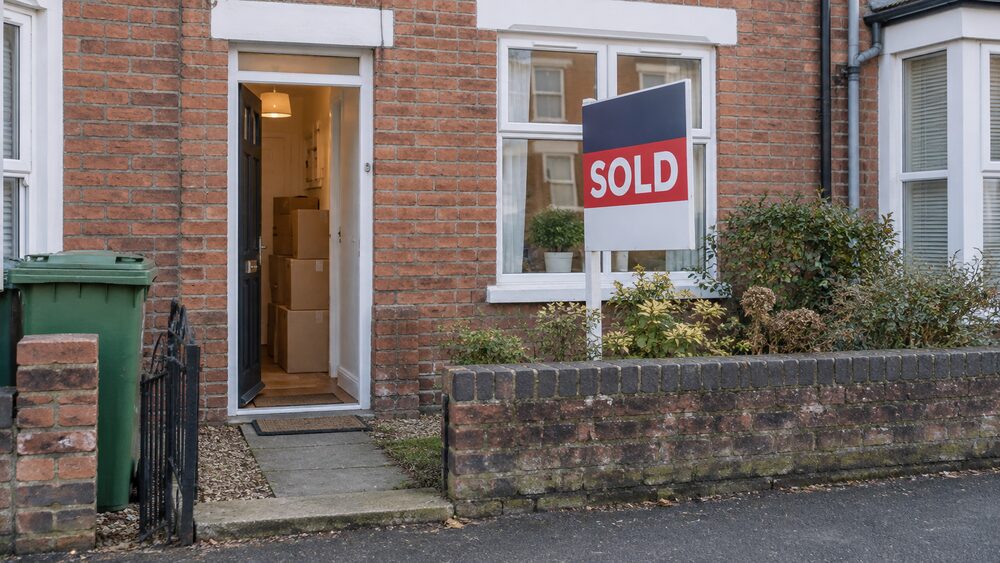
The most common use of the Lifetime ISA is buying a first home. To withdraw charge-free for this purpose, the property must cost £450,000 or less, you must be a first-time buyer, and the account must have been open for at least 12 months before the purchase, meaning you buy at least 12 months after your first payment into it2. The £450,000 cap applies in all areas of the UK, with no regional variation18.
If you are buying with someone else who also has a Lifetime ISA, you can both use your savings and government bonus, provided you are both first-time buyers and both meet the conditions2. Providers confirm that couples can combine their Lifetime ISAs to buy a property together, so long as the price is under £450,00014.
The conditions have sharp edges:
- The purchase must be with a mortgage and cannot be a private mortgage from a relative (a parent, grandparent, child, grandchild or sibling), from someone married to or in a civil partnership with your relative, from your spouse or civil partner, or from a relative of your spouse or civil partner2.
- If you also hold a Help to Buy ISA, you can only use the government bonus from one of the two accounts to buy your first home2. Money can be transferred from a Help to Buy ISA into a Lifetime ISA, and the bonus is then paid on the transferred amount, though contributions made on or after 6 April 2017 count against the Lifetime ISA limit for the year of transfer12.
- The 12-month rule is enforced. A Financial Ombudsman case study describes a customer who withdrew for a house purchase and was told that, since the Lifetime ISA was opened less than 12 months before, he would have to pay a withdrawal charge19.
If the purchase falls through after you have withdrawn, the money does not come to you. The conveyancer must return the funds to your Lifetime ISA manager if the purchase does not proceed, with the legislation describing the trigger as the purchase not completing within 90 days of the conveyancer receiving the withdrawal20. Provided the money is returned this way, the withdrawal is not charged.
The full guide to buying your first home with a Lifetime ISA covers the process step by step, and using a Lifetime ISA for shared ownership covers that route.
Saving for retirement: access from age 60
The second purpose of the Lifetime ISA is saving for later life. You can take your savings out of a Lifetime ISA when you are 60 or over, for any purpose and without charge2. Alternatively, you can leave the money in the account and withdraw it when you are aged 60 or over1. The funds, including the government bonus, can be withdrawn from age 60 for any purpose13.
The ages that matter run in a fixed sequence: open from 18, last chance before 40, payments and bonus stop at 50, and unrestricted access from 60.
A parliamentary review of the product concluded that cash Lifetime ISAs may not be the best way to save for retirement, but that stocks and shares Lifetime ISAs can be a useful complementary retirement saving vehicle for some people, including the self-employed9. The comparison with pensions, including what a saver gives up, is covered in the section below, and the dedicated page on Lifetime ISA or workplace pension sets the two side by side.
The 25% withdrawal charge takes back more than the bonus
This is the rule that catches people out. If you withdraw cash or assets for any reason other than buying a first home, being aged 60 or over, or being terminally ill, you pay a withdrawal charge of 25% of the amount withdrawn2. The charge is levied on the withdrawal, not just on the bonus, which is why it takes back more than the government gave you.
The official worked example shows the arithmetic. Assuming no growth, initial savings of £800 earn a 25% government bonus of £200, giving a pot of £1,000. Withdraw the entire pot early and the 25% charge is £250, leaving £750: £50 less than you paid in2. For a partial withdrawal, the charge means withdrawing more than you need: to put £120 of cash towards a bill, you would withdraw £160, pay a £40 charge and receive £1202.
The regulator's required warning to firms spells out why: the withdrawal charge recovers any government bonus and any investment growth on that bonus, plus an additional amount, and the client could receive back less than they paid in21. A 2025 parliamentary report noted the charge was, at that time, running at 6.25%9, but current guidance puts it at 25%, and the 25% figure is the one that applies to withdrawals now2.
Charge-free withdrawals are tightly defined. They include withdrawals for a first-time residential purchase, on reaching age 60, on the death or terminal illness of the investor, payments removed from an invalid account, management fees paid directly to the ISA manager, where the manager is declared in default by the FCA or FSCS, where the withdrawal results from an act, omission or circumstance not caused by the investor, and the recoupment or repayment of an incorrect government bonus to HMRC22. The full list is on the page about the Lifetime ISA withdrawal charge.
Lifetime ISA or pension: how the bonus compares with tax relief
The 25% bonus looks like the tax relief a pension receives, and for basic-rate taxpayers it is equivalent: the bonus you receive on LISA contributions is equivalent to tax relief at the basic rate9. Independent guidance makes the same point, noting that for a basic-rate taxpayer the 25% bonus is equivalent to the money you would receive as pension tax relief23.
The equivalence breaks down for higher earners. Higher and additional rate taxpayers lose out on higher tax relief when choosing to save in a LISA rather than a pension9. If you are a higher or additional rate taxpayer, or pay intermediate, higher, advanced or top rate in Scotland, pension tax relief will be worth more than the government LISA bonus23.
There are two further warnings the rules require providers to give. If a client saves in a lifetime ISA instead of enrolling in or contributing to a qualifying pension scheme, they may lose the benefit of contributions by an employer, and their entitlement to means tested benefits may be affected8. The employer contribution point is significant: giving up a workplace pension means giving up the employer's payments as well as the tax relief.
One analysis quoted in a parliamentary report goes further, arguing that for basic rate taxpayers drawing the money down tax free, the lifetime ISA will produce, unambiguously, a 17.6% better return than a pension product with identical investments9. That comparison depends on the assumptions behind it, and it does not apply to higher rate taxpayers. The comparison page on Lifetime ISA or workplace pension works through the trade-offs.
Cash or stocks and shares, and moving providers
Lifetime ISAs come in two forms. A cash Lifetime ISA holds savings, while a stocks and shares Lifetime ISA holds investments, and any type of investment that would qualify for a cash ISA or a stocks and shares ISA can be held in a Lifetime ISA7. The choice follows the same logic as cash versus stocks and shares ISAs generally: cash suits short horizons, such as a deposit being saved over a few years, while investments carry risk of loss as well as growth and tend to suit longer horizons.
The £4,000 Lifetime ISA limit counts towards your overall £20,000 ISA annual allowance14. Since the start of the 2026/27 tax year there is no limit on the number of ISAs you can open with different providers, apart from Lifetime ISAs, where you can only pay into one per tax year1.
Moving between providers needs care:
- Lifetime ISA to Lifetime ISA: transfers between Lifetime ISA providers are charge-free6. Use the transfer process, never withdraw and reinvest, as a direct withdrawal is charged at 25%.
- Lifetime ISA to another ISA type: this counts as a chargeable withdrawal12.
- Other ISAs into a Lifetime ISA: the rules are changing. Historically, funds in a stocks and shares ISA could only be transferred to another stocks and shares ISA18. From 6 April 2027, subscriptions in a stocks and shares account or an innovative finance account may be transferred to a Lifetime ISA, among other destinations24.
The guides on how to transfer an ISA and transferring a Lifetime ISA to another provider cover the process, and ISA transfer times covers how long it should take.
The Lifetime ISA is being replaced by a First Time Buyer ISA
The Lifetime ISA is being wound down. The government has confirmed that a new, simpler ISA product to support first-time buyers will be offered in place of the Lifetime ISA once it is available5, and a consultation on the implementation of the new product was published in June 202625. Independent guidance reports the Lifetime ISA will be replaced by the new product in April 20284.
What changes for savers:
- Existing holders keep their account. It will remain possible to open a Lifetime ISA until the new product becomes available, and account holders can continue to save into their Lifetime ISA in line with the existing rules indefinitely5. Independent guidance says the same: if you already have one, you will be able to continue saving into it under the current rules indefinitely4.
- The new product is for first-time buyers only. It is described as a new, simpler ISA product to support first-time buyers to buy a home25, which means the retirement-saving purpose of the LISA will not be carried forward.
- The clock is running for new openers. With the replacement expected in April 2028, the window for opening a Lifetime ISA is closing, which matters most for people who want one for retirement saving rather than a first home23.
This is not the first time an ISA has been replaced: the Help to Buy ISA, which preceded the Lifetime ISA and offered a bonus only for first homes costing £250,000 or less (£450,000 in London), was itself replaced by Lifetime ISAs26. The page on the Help to Buy ISA covers that closed product, and moving a Help to Buy ISA into a Lifetime ISA covers the transfer route.
Effect on Universal Credit and means-tested benefits
A Lifetime ISA is not disregarded by the benefits system. As with other savings and investments products, it counts towards the calculation of Universal Credit15. Crucially, it is the realisable value of the Lifetime ISA that is used, meaning the amount after deduction of the withdrawal charge, not the amount held in the account15. So a pot of £1,000 is counted as £750 if withdrawing it would trigger the 25% charge.
The regulator requires firms to warn clients that their current and future entitlement to means tested benefits may be affected if they save in a lifetime ISA instead of a pension scheme21. This matters because pension savings are generally treated differently from ISA savings in means testing.
Universal Credit is the main means-tested benefit for working-age households: it is means-tested and replaces and combines six legacy benefits and tax credits27. It is replacing means-tested benefits including income-related Employment and Support Allowance28. Savings above the capital thresholds reduce or remove entitlement, and Lifetime ISA savings sit within that calculation. Support for Mortgage Interest, which helps some homeowners with interest payments, is available to claimants of Universal Credit, the means-tested legacy benefits it is replacing, and Pension Credit29.
The page on ISAs and means-tested benefits and the narrower does a Lifetime ISA affect Universal Credit explain the capital rules in full.
Protection and where to get help
Money held with a Lifetime ISA provider is protected in the same way as other ISA money: if the manager is declared in default by the FCA or FSCS, withdrawals are charge-free22. The page on how your ISA is protected explains what FSCS cover means for cash and investments.
If something goes wrong, complain to the provider first. The Financial Ombudsman Service can then look at the complaint, and its case studies show the kinds of disputes that arise: one case involved a customer who faced an unexpected withdrawal charge after transferring money between different ISA types19. The guide to complaining about an ISA provider sets out the steps.
Other pages that carry the detail behind this one: who can open a Lifetime ISA, the Lifetime ISA property price limit, charge-free withdrawals if terminally ill, what happens to a Lifetime ISA when you die, and inheriting a spouse's ISA allowance. For the wider picture, ISAs: a complete guide covers all the account types, and the ISA deadline and the end of the tax year covers the timing of contributions.
Sources29 cited
- ISA basics NS&I, 2026-09-01
- Withdrawing money from your Lifetime ISA GOV.UK, 2026-09-28
- Who can open a Lifetime ISA GOV.UK, 2026-09-28
- Lifetime ISA vs pension Which?, 2026-03-23
- Tax update 2026: simplification, modernisation and fairness summary GOV.UK, 2026-06-23
- Finance Act 2017, section 1 legislation.gov.uk, 2017
- Individual savings accounts: Lifetime ISA GOV.UK, 2017-02-22
- COBS 14 Annex 1: Lifetime ISA information Financial Conduct Authority, 2026-04-06
- Treasury Committee report on pension reform and the Lifetime ISA House of Commons Treasury Committee, 2025-06-30
- Home ownership in England House of Lords Library, 2026-09-26
- Annual savings statistics, September 2026 commentary GOV.UK, 2026
- Lifetime ISA technical note, September 2016 update HM Treasury, 2016-09
- Lifetime ISA final report HM Treasury, 2016
- What is a Lifetime ISA AJ Bell, 2026
- Treasury Committee report on the Lifetime ISA House of Commons Treasury Committee, 2025-09-11
- Individual Savings Account Regulations 1998, regulation 4 legislation.gov.uk, 2026
- COBS 15.6: right to cancel Financial Conduct Authority, 2026
- Annual savings statistics 2025: background and methodology GOV.UK, 2025-09-18
- Case study: unexpected withdrawal charge transferring money between ISA types Financial Ombudsman Service, 2026-09-26
- Lifetime ISA Regulations 2017 legislation.gov.uk, 2017-03-21
- COBS 14 Annex 1: Lifetime ISA information Financial Conduct Authority, 2026-04-06
- Lifetime ISA withdrawal charges and charge-free withdrawals GOV.UK, 2022-04-06
- 2 years left to open a Lifetime ISA: should you use one for retirement? Which?, 2026-04-08
- Individual Savings Account (Amendment) Regulations 2026 legislation.gov.uk, 2026-09-10
- First Time Buyer ISA consultation GOV.UK, 2026-06-23
- Can my daughter still get her Help to Buy ISA bonus? Which?, 2024-08-26
- Evaluation of the Help to Save scheme: synthesis report GOV.UK, 2025-11-03
- How will Universal Credit affect my ESA? Mental Health and Money Advice, 2025-09-02
- Support for Mortgage Interest briefing House of Commons Library, 2026-09-26



 MoneyHelperFree, impartial money and pensions guidance, set up by government
 FSCSProtects your money if a bank, insurer or investment firm fails
 Financial Ombudsman ServiceFree, independent help when a complaint about a firm is not put right
 GOV.UKOfficial information on tax, benefits and government services
 Citizens AdviceFree advice on money, consumer and legal problems in England and Wales