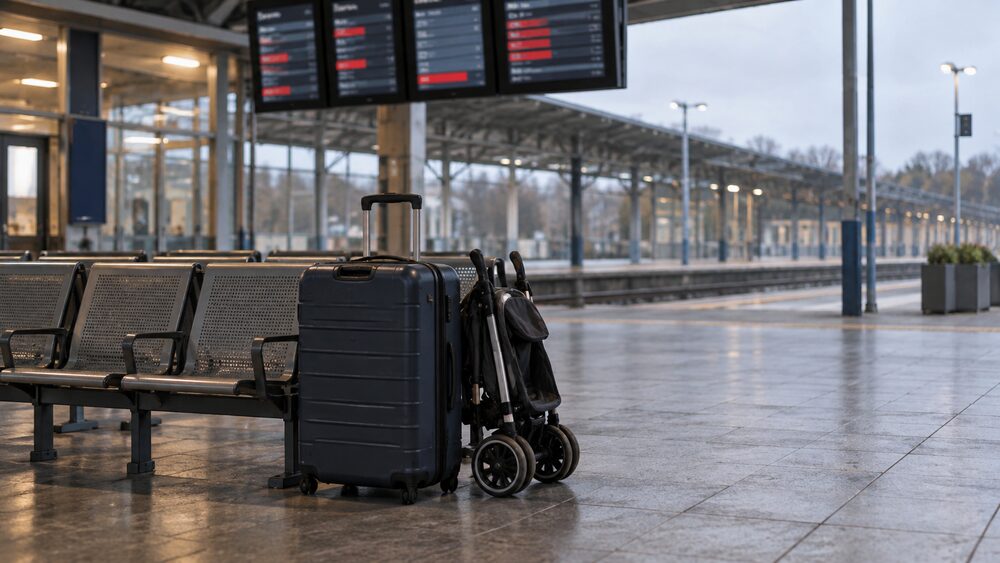
Travel insurance cancellation cover is the part of a travel policy that pays back the money you lose when a trip you have paid for cannot go ahead, or has to be cut short. It is one of the main reasons people buy travel insurance at all: a holiday is often booked and paid for months in advance, and cancellation cover is what stands between an unexpected event and losing the full cost of the trip. ABTA's own travel insurance lists cancellation cover among its core benefits1.
The cover is deliberately narrow. It pays for cancellations caused by specific insured events, most often illness or the death of a close relative2. It does not pay simply because plans change, and it does not automatically pay when an airline or holiday company fails. Those situations are dealt with by other rules: air passenger rights law, package travel rules, ATOL protection and, if you paid by credit card, Section 75 of the Consumer Credit Act, which protects purchases costing more than £100 and up to £30,0003.
What travel insurance cancellation cover pays for
Cancellation cover reimburses the money already paid, or that cannot be got back, when an insured event forces a traveller to abandon a trip before departure or cut it short once underway. Cutting a trip short is known as curtailment, and it is usually treated as part of the same cover: the insurer pays the unused portion of the holiday and often the extra travel costs of getting home early. Cover typically extends to any holiday costs that cannot be recovered from elsewhere, apart from the cost of the insurance itself7.
The cover only responds to events listed in the policy. ABTA's guidance for travellers sets out the kinds of events policies commonly cover, including accident, illness, family bereavement, pregnancy that was unknown when the policy was bought, jury service or a witness summons, redundancy and bad weather8. The Financial Ombudsman Service, which handles disputes between consumers and insurers, describes the position plainly: cover is usually provided only if a cancellation or missed flight is caused by a specific event9.
Timing matters more than many travellers realise. If you have to cancel a holiday because of illness or another emergency, you are only covered if the policy was already active10. The Ombudsman has also seen complaints where an annual policy was arranged to start on the first day of the next trip, leaving the policyholder with no cancellation cover for that holiday at all, because the cover had not yet started11. ABTA's advice is to buy travel insurance when you make the booking, so that cover is in place from the moment money is committed12.
Illness and bereavement: the reasons usually covered
The reasons most travel insurers accept for a cancellation claim are narrow. Which? guidance is blunt about it: the only reasons accepted by most travel insurers include the serious illness of one of the travellers, or a bereavement of the insured person or a very close family member13. Which? also lists a wider set of events that policies may cover, including illness or death in your family or of a business partner, jury service, serious fire, flood or storm damage to your home or business premises, and a police request not to travel following a burglary at your home or office7.
Illness includes mental health conditions. Guidance from the British Insurance Brokers' Association states that cancellation is likely to be covered if a medical professional deems you unfit to travel owing to anxiety, or where an unexpected medical emergency stops you travelling14. The key is that a medical professional has judged you unfit, and that the condition was properly declared if it existed before the policy was bought. Not declaring a medical condition when you buy travel insurance can cost you thousands, because the insurer can reject a claim that is connected to it10.
Bereavement claims work on a similar basis: the death must be of the insured person or a close relative as the policy defines it, and you will need evidence such as a death certificate. Where a significant change in health occurs after a policy is taken out, the Ombudsman looks at what was known and declared at the time, and in some circumstances where a customer travels with cover from a different insurer, it may consider it fair for the original insurer to pay the difference in premium charged by the new insurer, up to the value of what a cancellation claim would have been15.
Some policies extend beyond illness and bereavement. Which? analysis found that most travel policies, around 80%, cover cancellations due to natural disasters such as volcanic eruptions or earthquakes, either as standard or as an optional add-on16. Where the Foreign Office changes its advice to recommend against all or all but essential travel to a country after booking, policies of this kind typically cover the costs of cutting the trip short, including additional accommodation and travel expenses to get home safely13.
Changing your mind is not covered
The other side of cancellation cover is what it does not pay for. The Financial Ombudsman states it directly: if you change your mind about travelling or miss your flight, your insurance may not cover you9. Guidance for travellers with mental health conditions makes the same point in the industry's own words: deciding that you no longer want to travel, called disinclination to travel, is not covered under travel insurance14.
This has practical consequences for how a cancellation is handled. If you cancel a package holiday for personal reasons, you are not legally entitled to a refund from the travel agent or tour operator2. Travel companies sell holidays on the understanding that customers agree to the terms and conditions of the contract, and those terms almost always allow the company to charge a cancellation fee that reflects how close to departure you cancel12. The closer to departure, the larger the slice of the holiday price that is lost.
The exclusions go further than a change of heart. Which? analysis of 153 policies found that 71% excluded cancellation claims made because of pandemics, and 44% would not cover cancellations due to civil unrest or terrorism, while 65% exclude war17. Most standard policies exclude war, acts of war and political unrest from trip cancellation coverage13. ABTA's own travel insurance states that its policies will not cover cancellation of a trip due to government restriction on travel due to Coronavirus or any future pandemic1.
There are also limits around where you live. Foreign travel insurance is not intended to cover you if you live abroad permanently19. And the right to cancel an insurance policy itself, the cooling-off right, does not apply to a travel and baggage policy or similar short-term policy of less than one month's duration, among other exceptions set out in the FCA's rulebook20.
Cancellation limits: how much a policy pays out
Cancellation cover is capped, and the caps vary enormously between policies. Which?'s 2026 analysis of 136 annual-cover policies that included cancellation cover found limits ranging from £500 to £25,000, with a median limit of £3,0004. Around a third of policies with cancellation cover, 34%, had limits of £2,000 or less, and only around one in eight, 12%, offered £10,000 or more4.
| Measure | Amount |
|---|---|
| Lowest limit found | £5004 |
| Median limit | £3,0004 |
| Highest limit found | £25,0004 |
| Policies with £2,000 or less | 34%4 |
| Policies with £10,000 or more | 12%4 |
Earlier analysis by Which? found the same spread: one policy can provide cancellation cover of £500, while another might provide £20,00017. The reason for the range is that the limit is a policy choice, priced into the premium, and a cheap policy is often cheap partly because its cancellation limit is low.
What this means in practice is that the limit needs to be checked against the real cost of the trip before buying. A family holiday costing several thousand pounds per person is not fully protected by a policy with a £1,000 cancellation limit, and the shortfall is simply lost. The limit usually applies per person, but the policy wording should be read to confirm this. It is also worth knowing that only a small minority of policies cover the failure of the travel company itself: just 12% of policies cover holiday company bankruptcy, and only 10% cover airline failure16. Financial failure of the provider is normally dealt with by ATOL protection or Section 75, not by travel insurance.
When the airline cancels: refund or alternative flight
When an airline cancels a flight, the remedy comes from air passenger rights rules, not from travel insurance. If your flight is cancelled and you are departing from the UK, your airline must offer you the choice of a replacement flight at the earliest opportunity or a refund21. Passengers are not entitled to compensation if the flight is cancelled because of extraordinary circumstances, but they are still entitled to a full refund or alternative travel arrangements plus assistance6.
Delays give a similar right. If the delay exceeds five hours, your airline must offer you the choice of taking a refund of the flight cost5. You can also choose a refund if the delay lasts five hours or more even if the flight is not cancelled22. Refunds should be paid by the airline within seven days6. During the wait, passengers are entitled to care: two free phone calls or emails, free meals and refreshments appropriate to the length of the delay, and free hotel accommodation and transfers if an overnight stay is required22.
For package holidays the rights are broader still. If the flight problem leads to the holiday being cancelled or significantly changed, your travel company must offer an alternative holiday if they can, or a refund of the full package price, not just the flight part5. The same rule applies where the flight cannot be rearranged or there is a significant change to the package21.
If the company itself fails, different protection applies. If you book an ATOL protected holiday or charter flight and your tour operator, airline or accommodation provider goes out of business before you travel, you can claim a full refund6. Bookings made from outside the UK are a trap here: protection against the tour operator's financial failure might not apply unless the company had opted to voluntarily protect the holiday23.
Travel insurance has a role in delay situations too, but a narrow one. Most travel insurance policies allow customers to abandon their holiday if they have been delayed a certain amount of time, usually 24 hours24. One policy examined by the Ombudsman paid a fixed benefit of £50 for a delay of 12 hours or more9, which shows how modest delay benefits can be compared with the cost of a trip.
Flight compensation: up to £520 per person
Separately from refunds, air passenger rights rules can require the airline to pay cash compensation when a flight is cancelled at short notice or arrives badly late. The compensation is scaled by flight distance and by how late the replacement flight arrives.
For flights cancelled with less than seven days' notice, the bands are:
| Flight distance | Compensation | Condition on the new flight's arrival |
|---|---|---|
| Up to 1,500km | £220 | More than two hours after the original flight22 |
| 1,500km to 3,500km | £350 | More than three hours after the original flight22 |
| Over 3,500km | £520 | More than four hours after the original flight22 |
Where the cancellation is notified between 7 and 14 days before departure, the compensation is reduced: £220 for flights of 1,500km or less if the new flight arrives more than two hours late, £175 for flights between 1,500km and 3,500km if it arrives less than three hours late, and £520 for flights over 3,500km if it arrives more than four hours late22. The Consumer Council for Northern Ireland gives the same scale for cancellations: £220 for all flights of 1,500km or less, £350 for flights between 1,500km and 3,500km, and £520 for all other flights, with reduced amounts where the replacement flight arrives sooner6.
Delay compensation follows a similar logic. If you reach your final destination three hours or more after the original arrival time, and the cause was not extraordinary circumstances, compensation can be due5. The full amounts for delays are £220 for flights of 1,500km or less delayed more than two hours, £350 for flights between 1,500km and 3,500km delayed more than three hours, and £520 for flights over 3,500km delayed more than four hours, with reduced amounts of £110, £175 and £260 where the delay is shorter6. Regulation 261/2004, retained in UK law, gives the same rights: if a delay is at least five hours, you are entitled to choose between being re-routed or reimbursed in the same manner as if the flight had been cancelled25.
Two limits are worth knowing. All compensation amounts for a cancellation can be reduced by 50% if the airline offers re-routing which would not exceed the flight delay timeframes22. And no compensation is due at all for extraordinary circumstances, such as severe weather, although the refund or re-routing rights survive6. The Financial Ombudsman notes that travel insurance can also provide compensation if your flight was cancelled less than 14 days before departure, but this is in addition to, not instead of, the airline's obligations26.
Paying by credit card: Section 75 protection from £100 to £30,000
Section 75 of the Consumer Credit Act 1974 is a legal protection that makes a credit card provider jointly liable with a trader when something goes wrong. Under the Act, if the debtor under a debtor-creditor-supplier agreement has a claim against the supplier for breach of contract or misrepresentation, they have a like claim against the creditor, who, with the supplier, is jointly and severally liable27. In everyday terms, if a travel company breaks its contract or goes bust, you can claim your money back from the card provider instead.
The protection applies to credit card purchases costing more than £100 and up to £30,00028. MoneyHelper confirms the range: Section 75 applies if the item costs between £100 and £30,000, even if you are only paying some of that amount on your credit card3. That last point matters for holidays: paying a deposit of £100 or more on a credit card protects the whole cost of the holiday, not just the amount charged to the card.
The protection extends to traders overseas and items bought when abroad28, which is useful for holidays booked with foreign airlines or operators. It also applies where a payment is made to one party and the goods or services are supplied by another, so a holiday booked through a travel agent but supplied by an airline or hotel operator can still be protected29. The Act itself states that the section applies even if the debtor exceeded the credit limit or otherwise contravened a term of the agreement27.
Section 75 is not limited to the travel company failing. Using a credit card to book a package holiday gives extra protection under Section 752, and the Ombudsman has explained to consumers that they can contact their bank or credit card provider to see if they could make a Section 75 claim where a travel company used to book a holiday stopped trading30. Buy Now Pay Later can carry the same protection: where such an agreement is deferred payment credit, Section 75 is available, so you may be able to get a refund from the lender if something goes wrong with what you have bought31.
Where Section 75 does not apply
The boundaries of Section 75 are as important as the protection itself. The main exclusions are:
- Debit cards and charge cards. Section 75 does not apply to charge cards or debit cards32. Debit cards offer chargeback protection on purchases, but not Section 753.
- Purchases below £100 or above £30,000. The protection only covers the individual price of items, not the cumulative total33. Four £80 tickets bought together are outside the range even though the total is £320.
- Third-party websites. You will not automatically be protected by either Section 75 or chargeback if you purchase through a third-party website33.
- Accommodation that can still be honoured. If a cancelled flight prevents you from travelling, there is no Section 75 or chargeback claim for the hotel if it is still open and able to honour the original booking, because the hotel has not broken its contract34.
The Act also sets its own limits at the extremes: Section 75 does not apply to a claim under a non-commercial agreement, or so far as the claim relates to a single item with a cash price not exceeding £30 or more than £10,00027. These statutory thresholds sit alongside the £100 to £30,000 range applied in practice.
Vouchers and rebooking need care. Accepting a replacement flight, package holiday, voucher or credit note may settle the current claim; but if the provider fails to honour the alternative booking, or the voucher expires unused, chargeback and Section 75 rights may then be available34. Similarly, if the cancellation of a rebooked holiday arises because of a future government-imposed restriction, there may not be a breach of contract if the terms and conditions allow cancellation in these cases, which could affect the ability to claim34.
For debit card payments, chargeback is the alternative, but it is a scheme rule rather than a legal right, and usually you must make a chargeback claim within 120 days6. The Ombudsman has warned consumers that refunds are not guaranteed in every situation and that knowing your rights before accepting alternatives matters33.
How to claim when a trip is cancelled
The route to a refund depends on why the trip was cancelled and how it was paid for. The first step is to identify which of the protections applies, because claiming against the wrong party wastes time.
For an insurance claim, the process is generally:
- Check the policy is active and the reason is covered. Cover must have started before the event, and the reason must be one listed in the policy9.
- Tell the insurer promptly. Policy terms can require a consumer to act to minimise losses or recover losses from other sources before making an insurance claim35.
- Gather evidence. A medical professional's confirmation for illness, a death certificate for bereavement, and receipts for everything paid.
- Claim what cannot be recovered elsewhere. Cover typically pays the holiday costs that cannot be recovered from other sources, apart from the cost of the insurance7.
- Complain to the Financial Ombudsman Service if the claim is rejected. The Ombudsman can look at travel insurance complaints, including disputes about cancellation and delay26.
For airline and package claims, the claim goes first to the airline or travel company, and then to the card provider where the company has failed or breached its contract. Where cover is withdrawn by an insurer, a refund of the premium is available10. Free, impartial help exists: MoneyHelper sets out how Section 75 and chargeback work3, and the Financial Ombudsman Service handles complaints about insurers, card providers and travel companies free of charge26.
Sources35 cited
- ABTA Travel Insurance ABTA, 2026
- Cancelling a package holiday: your rights Which?, 2026-03-10
- Shop safely online MoneyHelper, 2026-09-25
- Is your annual travel insurance still worth it? Which?, 2026-07-27
- My flight's been delayed: what are my rights? ABTA, 2026
- Air travel: your rights Consumer Council for Northern Ireland, 2026
- Travel insurance checklist British Insurance Brokers' Association, 2022-11-10
- Travel insurance tips when planning and booking a holiday ABTA, 2026
- Problems with travel insurance Financial Ombudsman Service, 2025-03-14
- Not declaring medical conditions on your travel insurance could cost you thousands Which?, 2025-04-17
- Mis-sold travel insurance Financial Ombudsman Service, 2026-09-26
- Why is the travel company charging me a cancellation fee? ABTA, 2026
- Will travel insurance cover a summer holiday to Cyprus or Dubai? Which?, 2025-07-04
- Travel insurance for people with mental health conditions British Insurance Brokers' Association, 2026-09-26
- Travel insurance and a change in health Financial Ombudsman Service, 2026-09-26
- 7 questions to ask yourself when buying travel insurance Which?, 2024-06-18
- 6 questions to ask yourself before buying travel insurance Which?, 2025-05-30
- 7 common travel insurance mistakes to avoid Which?, 2024-04-27
- Moving, living or retiring abroad GOV.UK, 2025-08-20
- ICOBS 7: cancellation rights Financial Conduct Authority, 2016-01-01
- My flight's been cancelled: what will happen to the rest of my holiday? ABTA, 2026
- Flight cancellation: can I claim compensation? Which?, 2026-06-09
- Is my money protected? ABTA, 2026
- Travel insurance: delay and abandonment Financial Ombudsman Service, 2026-08-18
- Denied boarding and Regulation 261/2004 Which?, 2025-06-18
- Travel insurance complaints Financial Ombudsman Service, 2026-09-26
- Consumer Credit Act 1974, section 75 legislation.gov.uk, 2026
- Consumer Credit Act 1974: card protection Isle of Anglesey County Council, 2025-10
- Are credit cards still the safest way to pay? Which?, 2025-12-04
- Travel company used to book holiday stopped trading: case study Financial Ombudsman Service, 2026-09-27
- Buy Now Pay Later Financial Conduct Authority, 2026-02-11
- Charge cards and debit cards: protection limits Isle of Anglesey County Council, 2025-06
- Festival refunds not guaranteed: know your rights Financial Ombudsman Service, 2026-06-04
- Chargeback rights and Section 75 UK Finance, 2026
- Cancellations and refunds: helping consumers understand their rights and routes to refunds Financial Conduct Authority, 2020-10

 MoneyHelperFree, impartial money and pensions guidance, set up by government
 Financial Ombudsman ServiceFree, independent help when a complaint about a firm is not put right
 FSCSProtects your money if a bank, insurer or investment firm fails
 Citizens AdviceFree advice on money, consumer and legal problems in England and Wales
 GOV.UKOfficial information on tax, benefits and government services