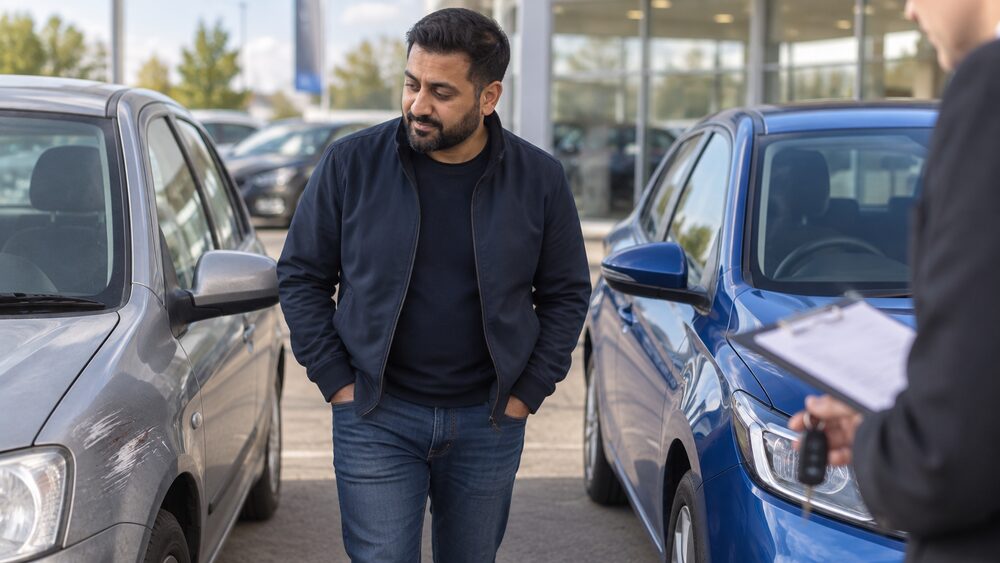
Third party insurance is the legal minimum needed to drive in the UK. It covers injury or damage caused to other people and their property, but it does not cover repairs to your own car. Comprehensive cover is optional and adds protection for your own vehicle, and most comprehensive policies also cover damage from bad weather, fire and theft1.
The choice is not simply cheap versus expensive. Third party policies are not necessarily cheaper, because insurers price on the driver and the car as much as on the level of cover2. All-risks policies provide more extensive cover so they are usually more expensive, but the gap depends on circumstances3. What matters is what each level actually pays for, what it excludes, and what happens if a claim goes wrong.
This page sets out the three levels of cover side by side, what third party only leaves out, how monthly payments change the cost, how claims and no-claims discount work, the penalties for driving uninsured, and how to cancel or complain.
Third party is the legal minimum, comprehensive is optional
Third party insurance is the legal minimum, and it means cover if an accident causes damage or injury to any other person, vehicle, animal or property1. It is the minimum amount of car insurance required by law, and it is the legal requirement for drivers in the UK2. Car insurance itself is a legal requirement when driving in the UK7.
Comprehensive cover is the highest level of protection available. It covers third party costs and damage to your vehicle2. It is optional in the sense that the law does not require it, but it is the level most drivers choose because it protects their own car as well as other people.
The two are not the only options. Insurers sell three levels of cover: third party only, third party fire and theft, and comprehensive8. Classic car insurance follows the same three-level structure9. When buying a policy, the type of cover is one of the decisions: third party, fire and theft, or comprehensive10.
What drives the price is not just the cover level. How much is paid depends on several factors, including age, how long the driving licence has been held, the type of car, where the driver lives, annual mileage and even where the car is parked overnight10. Premiums may be reduced by parking in a garage or driveway, fitting Thatcham-approved security devices, low annual mileage, driving a cheap-to-repair popular model, advanced driving training such as Pass Plus, paying annually, and a no claims discount8.
The three levels of cover: third party, fire and theft, comprehensive
The three levels sit on top of each other. Each one includes what the level below covers and adds something.
| Level of cover | What it covers | What it does not cover |
|---|---|---|
| Third party only | Liability for injury to others and damage to third party property; the minimum requirement for drivers in the UK11 | Any of your own costs as the result of an accident3 |
| Third party, fire and theft | The same cover as third party only, plus damage to your vehicle by fire or theft3 | Damage to your vehicle after an accident or act of vandalism3 |
| Comprehensive | The same cover as third party fire and theft, plus damage to your own vehicle in an accident3 | Wear and tear, and anything listed as an exclusion in your policy12 |
Third party only is the most basic level of car insurance. It covers the liability for injury to others and any damage to third party property only, and it is the minimum requirement for drivers in the UK11. Compensation is available for injury to other people, including your passengers, or damage to other people's property resulting from an accident caused by you3.
Third party fire and theft adds two specific risks. It will pay out if your car is stolen or damaged caused by fire, but it will not pay out to cover damage to your vehicle after an accident or act of vandalism3.
It covers you, your car and passengers as well as any third parties involved in an accident, and pays out if your car is vandalised or stolen3. It covers your own car in an accident13. Comprehensive insurance is exactly the same as fully comprehensive insurance and is just another name for the same level of cover13.
Comprehensive policies can be extended with optional extras such as breakdown cover, and extra cover for legal expenses, such as Motor Legal Protection11. Other common additions include providing a courtesy car while your car is being repaired, legal expenses, and insurance to recover your uninsured losses such as your excess3.
What third party only does not cover
The gap between third party and comprehensive is your own car. Third party insurance does not cover any other costs like repair to your own vehicle1. It does not cover any of your costs as the result of an accident3. It does not cover you for any damage your car gets in an accident11.
What it does cover is the other side of the accident. Third party insurance covers only the cost of fixing the other driver's car, reimbursement for any damage that has been done to their property, and compensation for any injuries they have sustained if you are at fault11. It covers you if you injure someone else or damage their property14.
Weather is where the difference bites hardest. If your insurance is third party only or third party, fire and theft, you will not be covered for storm or flood damage to your own car9. Drivers with a basic third-party or third-party, fire and theft policy are unlikely to be offered any protection for weather damage9. Comprehensive is the highest level of cover and usually includes damage caused by floods, storms, fallen trees or flying debris9. Most comprehensive motor insurance policies should cover the cost of repairing or replacing vehicles damaged by bad weather9.
Cover usually includes damage to upholstery and the vehicle's entertainment system, but the insurer may not pay out for personal possessions left in the vehicle9. That distinction matters if a laptop or phone is left in the car.
Paying monthly: extra charges and credit checks
Most car insurers charge extra for paying monthly, so it is worth checking before committing10. Paying monthly rather than annually pushes the average cost of motor insurance up by 10%4. For people on low incomes the gap can be much wider: paying monthly for car insurance, rather than in one go, can cost people on low incomes as much as 40% extra, or £38415.
This is part of what researchers call the poverty premium. Customers are paying more for their car insurance due to risks outside of their control and if they pay in monthly instalments, through premium finance16. People on low incomes are often charged higher premiums because of factors outside their control, such as living in areas with higher crime or collision rates17. Others are charged more for paying for things like insurance each month rather than all in one go for the year4.
Monthly payments are usually a credit agreement, not just a payment plan. There may be credit checks when signing a new agreement18. That means a missed payment can affect a credit file as well as cover.
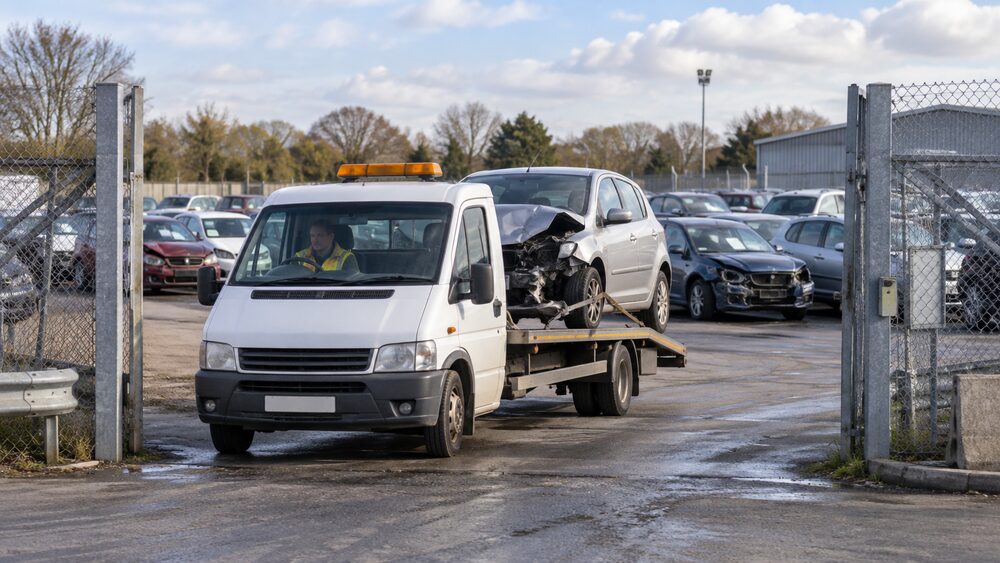
If your car is written off, the finance does not disappear. A total loss claim does not cancel the debt19. Once the claim is settled, the policy usually ends, but the outstanding balance remains owed19. Usually, the money owed would be deducted from the claim, rather than needing to be repaid directly19.
There is a related risk after a no-fault accident. If you use credit hire or credit repair and the third-party insurer refuses to pay, for example where they think the accident is your fault or dispute the amount, the consumer might be held responsible for covering the costs20.
Claiming, no-claims discount and exclusions like wear and tear
You must tell your insurer that you have been in an accident, even if you do not claim21. But you do not have to claim on your insurance after a car accident if you do not want to lose your no-claims discount7. If someone holds you responsible for the accident, they have the right to request your insurance details, and this can be made later rather than at the time of the accident21.
On a non-fault accident, your insurer should only treat it as a claim if they receive a claim from the other driver, or third party22. All claims should be declared when shopping around for new cover or renewing a policy23.
Wear and tear is excluded. While comprehensive car insurance should pay for repairs following an accident, it will not help with or pay for repairs due to wear and tear12. General wear and tear is not included in accidental damage cover24. That is a maintenance cost, not a claim.
Weather claims have their own consequences. Insurers often treat storm or flood damage as an at-fault claim, because there is no third party to recover the costs from9. That means some or all of a no-claims discount could be lost, depending on the insurer's rules9. Some insurers may refuse a claim if they believe you acted recklessly, for example driving through flood water after warnings were issued9.
No-claims discount has its own rules. Only one person can be the main driver on an insurance policy25. The other named driver cannot themselves build up more no-claims years on the policy25. If one of you does not have an insurance plan as the main driver for two complete years, they will lose all of their no-claims discount25.
Driving without insurance: fines, points and seizure
Driving without valid insurance carries consequences that go well beyond the cost of a policy. If your insurance is invalid, for example because it was taken out fraudulently, you face insurance being invalid, a fine and six points on your driving licence, being unable to make insurance claims, having your vehicle seized and paying a fine to release it, paying costs if at fault in an accident, and having to buy another genuine policy5.
The seizure point is the one drivers underestimate. The vehicle can be taken and held until a release fee is paid, on top of the fine and the points.
There is also a disclosure trap. If you give an insurer wrong information, it may cancel your policy and any claims may be rejected27. The Financial Ombudsman Service has set out what insurers can do when a policy is based on misrepresentation: charge more for the policy where there has been no claim, retrospectively apply a restriction to the policy, settle a claim proportionately, or avoid the policy28.
The ombudsman has looked at cases where this happened to older drivers. In one case study, it was reasonable for the insurer to assume it had been given the full picture, and it was fair to cancel the policy after undisclosed convictions29. In another, an insurer wrongly avoided an entire policy after a forged receipt, and the fair solution was to reinstate the policy and pay the claim30.
Cancelling a policy and making a complaint
You can cancel your policy and set up a new one with a different insurer whenever you want, even if a claim is ongoing, but the claim will affect your no-claims bonus31. That is the key point: an open claim does not lock you into your current insurer, but it does follow you.
If you are unhappy with how your insurance company treats you, you have the right to complain7. Car or Motorcycle Insurance generated 3,968 new complaints in Q4 2025/26, according to the Financial Ombudsman Service's quarterly complaints data32.
The ombudsman's approach to complaints is set out in its published decisions. Where a consumer would not have been insured at all had the insurer known the full picture, the ombudsman is likely to find it fair for the insurer to reduce or decline the claim, and the insurer may also void the policy33. Where the insurer would still have insured the consumer at the same premium, the ombudsman is unlikely to find it fair for the insurer to reduce or decline the claim, and it is fair for the consumer to receive the full claim settlement33.
There is a wider consumer right that catches some related contracts. When the main contract is cancelled, all related contracts should also be cancelled by the trader, for example insurance cover or finance for a mobile phone or sofa34. That principle matters if insurance is bought bundled with something else.
If you are struggling with the cost of cover, free and impartial help is available. StepChange offers debt advice, and its guidance covers how debt management plans and credit scores interact18. The Financial Ombudsman Service handles complaints about motor insurance, including fault claims and no-claims bonuses, and about insurance pricing and renewals31.
Sources35 cited
- Vehicle insurance GOV.UK
- Types of car insurance cover Aviva
- Motor insurance explained nidirect
- The poverty premium in 2026: payments Fair By Design
- Top car insurance scams: how to avoid falling victim Which?
- FSCS: what we cover Financial Services Compensation Scheme
- Car insurance Which?
- Shopping around for insurance Independent Age
- Is your car covered for flood damage? Which?
- Extra costs when buying a car Barclays
- Third party only car insurance esure
- Should you buy breakdown cover with your car insurance? Which?
- Fully comprehensive car insurance esure
- Motor insurance guides British Insurance Brokers' Association
- Low-income drivers pay up to 48% more for car insurance Fair By Design
- Driving change: policy ideas to tackle the car insurance poverty premium Fair By Design
- Socio-economic duty and the poverty premium Fair By Design
- DMP and credit score StepChange
- My car's been written off, so why am I still paying for the insurance? Which?
- Credit hire and credit repair services following a no-fault accident Financial Ombudsman Service
- I've been in a car accident: do I have to claim on my insurance? Which?
- Fault claims and no-claims bonuses Financial Ombudsman Service
- Will claiming for a chipped windscreen make my car insurance cost more? Which?
- Do you need home insurance add-ons? Which?
- Can we both accumulate no-claims discounts driving the same car? Which?
- Does your insurance cover damage caused by bad weather? Which?
- Have my penalty points pushed up my car insurance premiums? Which?
- Misrepresentation and non-disclosure Financial Ombudsman Service
- Age insight briefing Financial Ombudsman Service
- Ombudsman News issue 42 Financial Ombudsman Service
- Fault claims and no-claims bonuses Financial Ombudsman Service
- Quarterly complaints data Q4 2025/26 Financial Ombudsman Service
- Underinsurance: home insurance complaints Financial Ombudsman Service
- Other laws that protect your consumer rights Consumer Council
- Insurance pricing and renewals Financial Ombudsman Service


 MoneyHelperFree, impartial money and pensions guidance, set up by government
 Financial Ombudsman ServiceFree, independent help when a complaint about a firm is not put right
 FSCSProtects your money if a bank, insurer or investment firm fails
 Citizens AdviceFree advice on money, consumer and legal problems in England and Wales
 GOV.UKOfficial information on tax, benefits and government services