
Travel insurance comes in two main shapes. A single trip policy covers one holiday and ends when you come home. An annual multi-trip policy covers multiple trips over 12 months for one premium, usually with a limit on how long each trip can last. The Financial Ombudsman Service describes single trip policies as covering the risk of a single holiday, and annual multi-trip policies as covering the risk of multiple trips during a 12 month period1.
The choice usually comes down to how often you travel and how long each trip lasts. Annual cover is priced as a yearly fee regardless of how many trips you make, so it can work out cheaper if you travel several times2. But most annual policies cap each trip at around 31 days, and some set lower limits for older travellers3. A single trip policy has no such cap in the same way: Post Office single trip cover runs for trips of up to 365 days, with no age limit5.
Whichever you choose, the cover is only as good as what you declared and when you bought it. Pre-existing medical conditions are not covered unless declared, and cancellation cover only pays out if the policy was already active when the reason to cancel arose6.
Single trip or annual cover: how each one works
A single trip policy insures one holiday. You choose the length of your stay and whether you want European or worldwide cover, and the policy ends when you return home11. Santander describes its single trip cover as covering one trip of your choice and ending when you come home13. AIB (NI) single trip cover runs for one holiday of up to 31 days14.
An annual multi-trip policy covers multiple trips over a 12 month period for a single premium15. Post Office annual cover gives the same level of cover for an unlimited number of trips of 31 days each or less across the year16. AIB (NI) annual cover gives cover for up to 90 days abroad in a year14. Virgin Money offers both single trip and annual multi-trip policies, and so do Post Office, Tesco and Aviva17.
The practical difference is how you buy and when cover starts. Single trip cover starts when you buy it, while multi-trip cover starts from the date you choose21. That matters for cancellation: if you buy a single trip policy on the day your holiday begins, you have no cover for cancelling it7.
Both types can be extended or adjusted. Winter sports cover can be added to any single trip or annual multi-trip policy from some providers22. Annual policies often allow trip extensions for longer holidays, usually for an extra premium23.
When a single trip policy makes sense
A single trip policy suits someone taking one holiday in a year, or a trip that is longer than an annual policy's per-trip limit. It covers one holiday of up to 31 days with some providers, and up to 365 days with others14.
The cost structure favours single trip cover for infrequent travellers. You pay for the cover you need for that one trip, rather than a yearly fee. If you take one holiday a year, there is no reason to pay for 12 months of cover you will not use.
Single trip cover also suits people whose circumstances change. If you are not sure whether you will travel again in the next 12 months, a single trip policy avoids paying for cover you may not need. And if your trip is longer than the typical annual per-trip limit, a single trip policy may be the only option without an extension.
There is a timing point that catches people out. Cancellation cover for a single trip policy starts as soon as you purchase it, so buying early gives you more protection if you have to cancel24. If you buy cover late, you may have no cancellation protection at all for that holiday7.
When annual multi-trip cover makes sense
Annual multi-trip cover suits people planning several trips in the next 12 months25. It is priced as a yearly fee regardless of how many trips you make, so the more you travel, the better the value2. Post Office annual cover includes an unlimited number of trips within a 12 month period, with individual trips covered up to 31 days as standard26.
It also removes the hassle of remembering to insure each booking. You buy once and you are covered for the year, within the trip length limits. That can suit people who book trips at short notice, or who travel regularly for work or to see family.
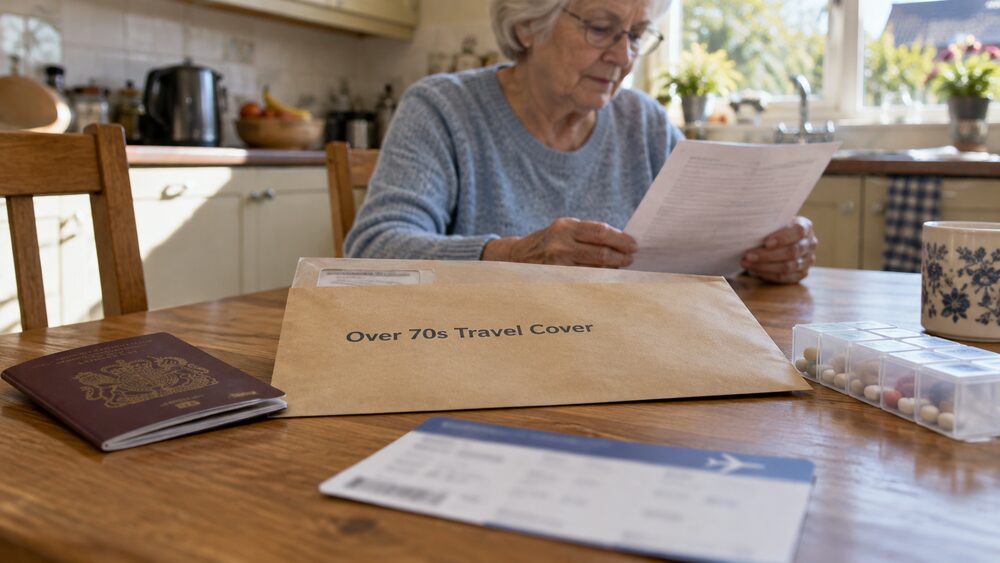
There are limits to check. Annual cover is only available up to a certain age with some providers: Post Office annual multi-trip cover is only available up to the age of 758. Virgin Money covers up to age 80 for annual multi-trip policies25. Some annual policies set lower per-trip limits for older travellers: one annual policy Which? looked at covered trips of up to 60 days for policyholders aged 65 or under, but just 21 days for older travellers4.
Annual cover can also be provided through a packaged bank account. The Financial Ombudsman Service describes ongoing rolling multi-trip policies that renew over a 12 month period, generally those provided with a packaged bank account1. These are worth checking carefully, because the cover may have age limits or exclusions that a standalone policy would not.
Trip length limits on annual policies
The most common limit on annual multi-trip policies is 31 days per trip3. Post Office annual cover uses a 31-day per-trip limit, with extensions available up to 45 and 60 days27. AIB (NI) annual cover gives up to 90 days abroad in a year14. Aviva Signature annual multi-trip cover allows 90 days per trip, with extended cover for an additional premium19.
These limits vary more than people expect. Which? found that over half of policies offering both single trip and annual cover have higher maximum age limits for single trip cover than for annual cover28. And per-trip limits can differ by age within the same policy: one annual policy covered trips of up to 60 days for policyholders aged 65 or under, but just 21 days for older travellers4.
If your trip is longer than the standard limit, you may be able to extend it. Post Office offers trip extension cover that extends an annual multi-trip policy to cover trips longer than 31 days23. NFU Mutual annual travel insurance covers multiple trips up to 30 days, extendable on request to 60 or 90 days29.
Single trip policies have their own limits, which vary by age and provider. Post Office single trip cover runs for trips of up to 365 days with no age limit5. But for policies starting with certain codes, the maximum trip duration is 365 days for people aged up to and including 70, 90 days for ages 71 to 75, and 31 days for ages 76 and above30.
Cover that differs between the two: cancellation, gadgets and winter sports
Cancellation cover is where the two types diverge most. Which? analysed 138 annual policies and found that two did not include cancellation cover at all. Among the 136 that did, limits ranged from £500 to £25,000, with a median limit of £3,000. Around a third of policies with cancellation cover had limits of £2,000 or less, and around one in eight offered £10,000 or more9.
For single trip policies, cancellation cover starts as soon as you purchase the policy24. That is a real advantage if you book early and want protection from the moment you buy. For annual policies, the cover starts from the date you choose, so if you start the policy on the first day of a trip, you are not covered for cancelling that holiday7.
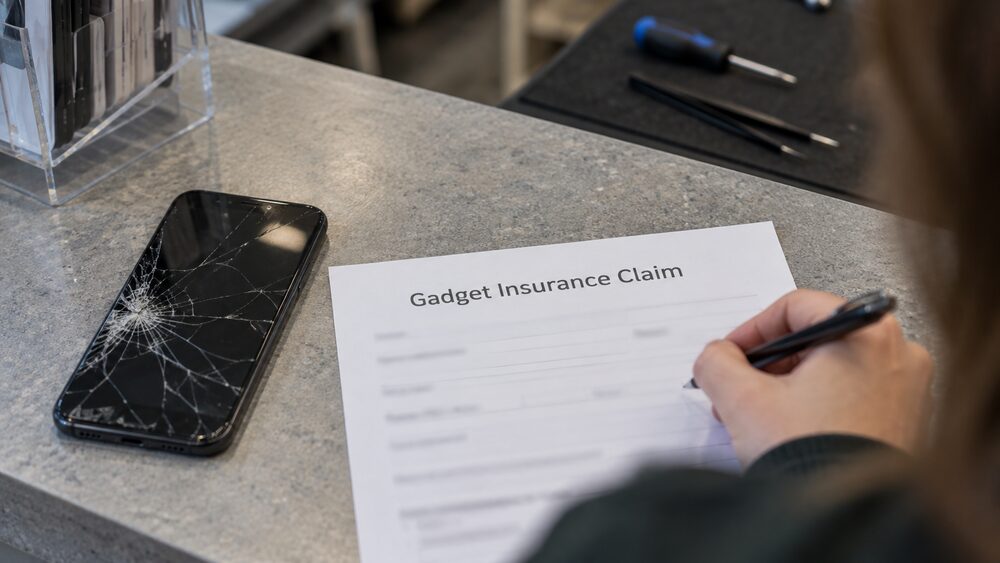
Gadget cover is often an add-on rather than standard. Tesco offers gadget insurance as a separate product, and Post Office has dedicated gadget cover18. If you are travelling with a laptop, phone or camera, check whether your travel policy covers them and to what limit, or whether you need separate cover.
Winter sports cover is not included in standard policies. ABTA says that if you are planning a ski or snowboard trip, you will need winter sports cover, which is readily available from most insurance providers but is not included in standard policies32. It can be added to any single trip or annual multi-trip policy with some providers22. Some packaged bank account travel policies include winter sports cover within their per-trip limits: RBS Select Silver and Reward Silver both provide UK and European travel insurance covering up to 22 days per trip including winter sports33.
Where travel insurance will not pay out
Most travel insurance policies do not cover claims if the losses can be recovered from another source1. That means if an airline or holiday company is liable, your insurer may expect you to claim from them first. Insurance policies usually only cover unrecoverable costs35.
Cancellation cover is narrower than many people assume. The only reasons accepted by most travel insurers for cancellation include the serious illness of one of the travellers, or a bereavement of the insured or a very close family member35. BIBA lists the events typically covered as illness or death in your family or of a business partner, jury service, serious fire, flood or storm damage to your home or business premises, and a request from the police not to go away following a burglary2. If you change your mind about travelling or miss your flight, your insurance may not cover you36.
Pre-existing medical conditions are a common reason for rejected claims. In most policies, pre-existing medical conditions are not covered unless they have been declared6. You will not be covered for any claims related to undeclared conditions unless the insurer agrees37. NFU Mutual says you need to let them know if you have any pre-existing medical conditions when you apply for cover29.
UK trips are often excluded or limited. Most travel insurance policies will only cover a UK holiday if the accommodation is pre-booked and your stay is for more than two or three consecutive nights38. For annual multi-trip policies, UK cover is sometimes only available for cancellation and cutting short your trip39. Stays at family homes, short breaks and holidays close to home are commonly excluded38.
Airline failure cover has shrunk. The proportion of travel insurance policies covering airline failure fell from 51% to 12% between 2019 and 202410. Only 12% of policies cover holiday company bankruptcy, and just 10% cover airline failure40. If your flight is cancelled less than 14 days before departure, you may have rights to compensation under air passenger rights rules, separate from your insurance1.
Getting help and complaining
If a claim is rejected or a policy was mis-sold, you can complain to your insurer first. If you are not satisfied with the response, you can take the complaint to the Financial Ombudsman Service, which is free and independent1. The ombudsman handles complaints about travel insurance, including cases where a policyholder was not covered for cancellation because the policy started on the first day of the trip41.
For free, impartial help with insurance and money questions, MoneyHelper offers guidance. Independent Age provides advice on shopping around for insurance, including for older travellers42. If you have a pre-existing mental health condition, the Money and Mental Health Policy Institute lists specialist insurance providers43.
Sources43 cited
- Travel insurance complaints Financial Ombudsman Service
- Travel insurance checklist BIBA
- 7 common travel insurance mistakes to avoid Which?
- Why travel insurance goes wrong Which?
- Single trip travel insurance Post Office
- Not declaring medical conditions on your travel insurance Which?
- Mis-sold travel insurance Financial Ombudsman Service
- Travel insurance for over 60s Post Office
- Is your annual travel insurance still worth it? Which?
- Which? written evidence on regulation of the consumer insurance market Which?
- Single trip travel insurance AIB (NI)
- Santander single trip travel insurance Santander
- Travel insurance ABTA
- Travel insurance AIB (NI)
- Annual multi-trip travel insurance AIB (NI)
- Portugal travel insurance guide Post Office
- Family travel insurance Virgin Money
- Travel insurance Tesco
- Annual multi-trip travel insurance Aviva
- Travel insurance Aviva
- Travel insurance for children Post Office
- Winter sports cover AIB (NI)
- Trip extension cover Post Office
- Post Office Premier Cover policy document Post Office
- Annual multi-trip travel insurance Virgin Money
- Vietnam travel insurance guide Post Office
- Annual multi-trip travel insurance Post Office
- 6 questions to ask yourself before buying travel insurance Which?
- NFU Mutual travel insurance NFU Mutual
- Travel insurance FAQs Post Office
- Gadget cover Post Office
- Travel insurance ABTA
- Select Silver account RBS
- Reward Silver account RBS
- Will travel insurance cover a summer holiday to Cyprus or Dubai? Which?
- Problems with travel insurance Financial Ombudsman Service
- Club M account Virgin Money
- Do you need travel insurance for a UK holiday? Which?
- Travel disruption Post Office
- 7 questions to ask yourself when buying travel insurance Which?
- Amin wanted an insurance refund for a cancelled cruise Financial Ombudsman Service
- Shopping around for insurance Independent Age
- Specialist insurance providers for pre-existing mental health conditions Money and Mental Health Policy Institute

 MoneyHelperFree, impartial money and pensions guidance, set up by government
 Financial Ombudsman ServiceFree, independent help when a complaint about a firm is not put right
 FSCSProtects your money if a bank, insurer or investment firm fails
 Citizens AdviceFree advice on money, consumer and legal problems in England and Wales
 GOV.UKOfficial information on tax, benefits and government services