
If you are caring for someone and not working, you may still be building up your State Pension. Carer's Credit is a National Insurance credit that fills gaps in your National Insurance record, so you can qualify for the State Pension and other benefits1. It does not pay you any money. It gives you National Insurance credit instead2.
You can claim Carer's Credit if you are aged 16 or over, under State Pension age, and you spend at least 20 hours a week caring for someone who gets a benefit because of their illness or disability3. You do not need to be paid, and you do not need to be claiming Carer's Allowance. The credit is aimed at people who cannot work because of their caring role, or who are not earning enough to pay National Insurance4.
The rules are different if you already get Carer's Allowance, Carer Support Payment or Universal Credit as a carer. In those cases you are already getting National Insurance credits, so you do not need to claim Carer's Credit separately1. If you are over State Pension age, Carer's Credit is not available, but other benefits may be.
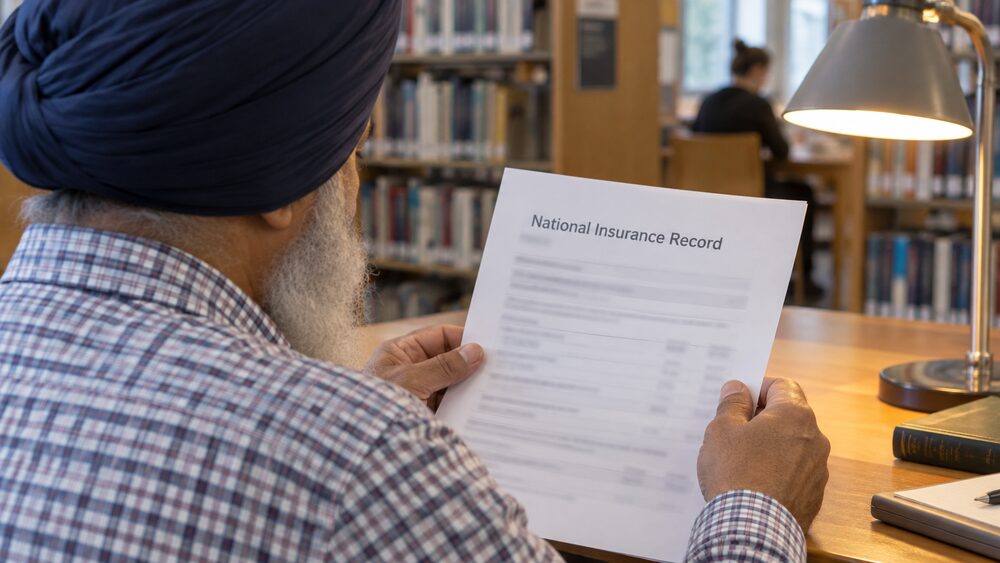
Carer's Credit fills gaps in your National Insurance record
Your State Pension is built from your National Insurance record. Each qualifying year adds to the amount you can get when you reach State Pension age. If you take time out of work to care for someone, those years can leave gaps. Carer's Credit is designed to fill them1.
The credit works by giving you a qualifying year for National Insurance purposes, even though you are not paying contributions. The government describes it as a way to continue building up State Pension entitlement if you are unable to pay National Insurance because you are ill or caring for someone6. National Insurance credits help to avoid gaps in your record and protect your benefits7.
Carer's Credit is not the only way to protect your record while caring. If you claim Child Benefit for a child under 12, you get National Insurance credits automatically8. If you receive Carer's Allowance, you are credited automatically each week you get it9. Carer's Credit is for carers who fall between those routes: people who are caring for at least 20 hours a week but who do not qualify for Carer's Allowance, often because they do not meet its higher hours threshold or because they are not eligible for other reasons4.
The credit is not means-tested. You can claim it whether you have savings or not, and whether or not you have other income. What matters is the hours you care and the benefit the person you care for receives3.
Who can get Carer's Credit: under State Pension age, caring 20 hours a week
To qualify for Carer's Credit, you must meet all of the following conditions. You must be aged 16 or over3. You must be under State Pension age3. You must not already be getting Carer's Allowance3. You must spend at least 20 hours a week caring for someone3. And the person you care for must get a benefit because of their illness or disability3.
The 20-hour threshold is the key figure. It is lower than the threshold for Carer's Allowance, which requires more than 35 hours a week of care10. That difference is deliberate: Carer's Credit exists partly to help people who care for 20 hours or more but who do not reach the 35-hour threshold for Carer's Allowance4.
The hours can be split across more than one person. The rules refer to caring for one or more people for 20 hours a week or more11. If you care for two people, the hours you spend on each can be added together to reach the threshold.
The person you care for must be getting a qualifying disability benefit. The exact benefit depends on where in the UK they live. In England, Scotland and Wales, this could be Personal Independence Payment, Disability Living Allowance, Attendance Allowance or another listed benefit3. In Scotland, Pension Age Disability Payment is also a qualifying benefit11. In Northern Ireland, the equivalent benefits apply12.
You do not need to be related to the person you care for, and you do not need to live with them. You do not need to be their official carer or have any formal caring arrangement. What matters is the hours and the benefit3.
How Carer's Credit protects your State Pension
Carer's Credit gives you Class 1 National Insurance credits5. These count towards your State Pension and may help you qualify for some other benefits, such as new style Jobseeker's Allowance and new style Employment and Support Allowance13. Class 1 credits are the same type of credit you get if you receive Carer's Allowance5.
The credit is paid directly towards your National Insurance record. Your benefit claim should tell you how much is being paid towards your National Insurance14. It does not appear as money in your bank account. It appears as a qualifying year on your National Insurance record.
The amount of State Pension you eventually receive depends on your National Insurance credits and contributions15. Each qualifying year adds to your State Pension. Carer's Credit helps you build those years while you are caring, so that your State Pension is not reduced because you took time out of work.
If you have a break from caring, you can keep your National Insurance credit for up to 12 weeks without losing it for State Pension purposes4. This means a short break, for example a hospital stay or a holiday, does not break your record.
Carer's Credit also protects your entitlement to bereavement benefits and, in some cases, to the additional State Pension. Claiming Carer's Credit can count towards the state second pension for carers16.
Where Carer's Credit does not apply
Carer's Credit is not available once you reach State Pension age3. If you are over State Pension age and caring for someone, you may still be able to claim Carer's Allowance or Carer Support Payment17. You may also be able to claim Pension Credit if your income is low. Pension Credit includes an extra amount for carers, often called the carer premium, if you qualify for Carer's Allowance or have an underlying entitlement to it18.
If you are already getting Carer's Allowance, you do not need Carer's Credit. Carer's Allowance gives you National Insurance credits automatically for each week you receive it9. The same applies if you get Carer Support Payment in Scotland1.
If you are working and paying National Insurance, you may not need Carer's Credit. But there is no rule that stops you claiming it if you meet the other conditions. If your earnings are below the threshold for paying National Insurance, Carer's Credit can fill the gap3.
If you care for fewer than 20 hours a week, you will not qualify for Carer's Credit on that basis4. You may still be building up National Insurance through work or through another credit, such as Child Benefit for a child under 128.
Carer's Credit does not give you any money. If you need financial support now, you may be able to claim Carer's Allowance, Carer Support Payment in Scotland, or Universal Credit as a carer1. If you get State Pension or Pension Credit, you might not get Carer's Allowance, but you may still have an underlying entitlement to it19.
If you care for more than one person
You can get Carer's Credit if you care for more than one person, as long as the total hours reach the 20 hours a week threshold11. The rules refer to caring for one or more people for 20 hours a week or more11.
If you are claiming Carer's Allowance, the rules are different. You can only claim Carer's Allowance for one of the people you care for, even if you care for several20. The same limit applies to the carer element of Universal Credit: you can only get one carer element even if you are caring for more than one person21.
In Scotland, there is a Carer Additional Person Payment for people who care for more than one person22. A carer can receive more than one Carer Additional Person Payment if they care for more than one additional cared for person23. This is a separate payment from Carer's Credit and does not affect your National Insurance record.
If you care for more than one person and you are not sure whether you qualify for Carer's Credit, the safest approach is to apply. The application will assess your hours and the benefits the people you care for receive3.
If you work as well as care
You can claim Carer's Credit if you work as well as care, as long as you meet the other conditions3. There is no earnings limit for Carer's Credit. What matters is that you are under State Pension age, caring for at least 20 hours a week, and the person you care for gets a qualifying benefit.
If you are working and paying National Insurance, you may already be building up your State Pension through your earnings. In that case, Carer's Credit may not add anything to your record. But claiming it does no harm, and it can fill gaps in weeks when your earnings are low.
If you are working and claiming Universal Credit, you may be able to claim Carer's Allowance at the same time if you meet the eligibility rules for both3. You do not need to be getting Carer's Allowance or Carer Support Payment to get Carer's Credit; you only need to show that you meet the relevant qualifying conditions24.
If you are self-employed and caring, the same rules apply. Carer's Credit can fill gaps in your National Insurance record if your self-employed earnings are below the threshold for paying contributions3.
If you reach State Pension age
Carer's Credit stops at State Pension age. You cannot claim it once you have reached State Pension age3. This is because Carer's Credit is designed to protect your record while you are still building up your State Pension. Once you reach State Pension age, your State Pension is calculated and paid.
You may still be able to claim Carer's Allowance or Carer Support Payment if you are over State Pension age17. The rules are slightly different: if you are receiving a State Pension, you will not be able to claim Carer's Allowance at the same time, but you may still benefit from what is known as an underlying entitlement to it19. An underlying entitlement can still give you access to the carer premium in Pension Credit18.
Pension Credit is a benefit you can get if you have reached State Pension age and your income is low3. If you live with a partner, you can only claim Pension Credit if you have both reached State Pension age3. Pension Credit includes an extra amount for carers, often called the carer premium, if you qualify for Carer's Allowance or have an underlying entitlement to it18. The Pension Credit extra amount for carers is paid for a further eight weeks after Carer's Allowance or Carer Support Payment stops, and for 12 weeks for Carer Support Payment following the death of a cared-for person25.
If you reached State Pension age before 6 April 2016, you may still be able to get Savings Credit as part of Pension Credit, depending on your circumstances26. Savings Credit is not available to people who reached State Pension age after that date27.
How to claim Carer's Credit
You apply for Carer's Credit through the government's online service or by post. You will need to provide details of the person you care for, including the benefit they receive, and confirm that you provide at least 20 hours of care a week3.
If you already get Carer's Allowance, Carer Support Payment or Universal Credit as a carer, you do not need to claim Carer's Credit. You are already getting National Insurance credits1.
If you are not sure whether you qualify, it is worth applying. The application will assess your circumstances. If you are turned down, you can ask for the decision to be reconsidered and, if necessary, appeal.
Free, impartial help is available. MoneyHelper provides guidance on benefits for carers3. Carers UK offers advice on Carer's Credit and State Pension4. Citizens Advice and other local advice services can help with applications and appeals.
Sources27 cited
- Can I get Carer's Credits Turn2us
- Carer's Allowance Marie Curie
- Benefits and tax credits you can claim as a carer MoneyHelper
- Carer's Credit Carers UK
- National Insurance credits Which?
- Getting credits towards your State Pension nidirect
- Help if you're not working GOV.UK
- National Insurance credits for parents and carers House of Commons Library
- Carer's Allowance Age UK
- Planning ahead pension help Carers UK Scotland
- Carer's Credit Which?
- Carers benefits Advice NI
- Guidance on social security abroad GOV.UK
- What are Carer's Credits Turn2us
- Carer's Allowance your State Pension plus other benefits Carers UK
- State second pension and SERPS Which?
- Carer's Allowance your State Pension plus other benefits Carers UK Scotland
- Carer premium Marie Curie
- Carer's Allowance Mencap
- Caring overview Universal Credit Entitledto
- Pension Credit GOV.UK
- The high cost of pausing your pension contributions Which?
- Four ways to boost your State Pension if you're a parent or carer Which?
- State Pension age and benefits Turn2us
- Deferring your State Pension Which?
- Cost of living payments 2023 Which?
- Pension Credit Carmarthenshire County Council



 Pension WiseFree guidance on your options for a defined contribution pension, from age 50
 FSCSProtects your money if a bank, insurer or investment firm fails
 GOV.UKOfficial information on tax, benefits and government services