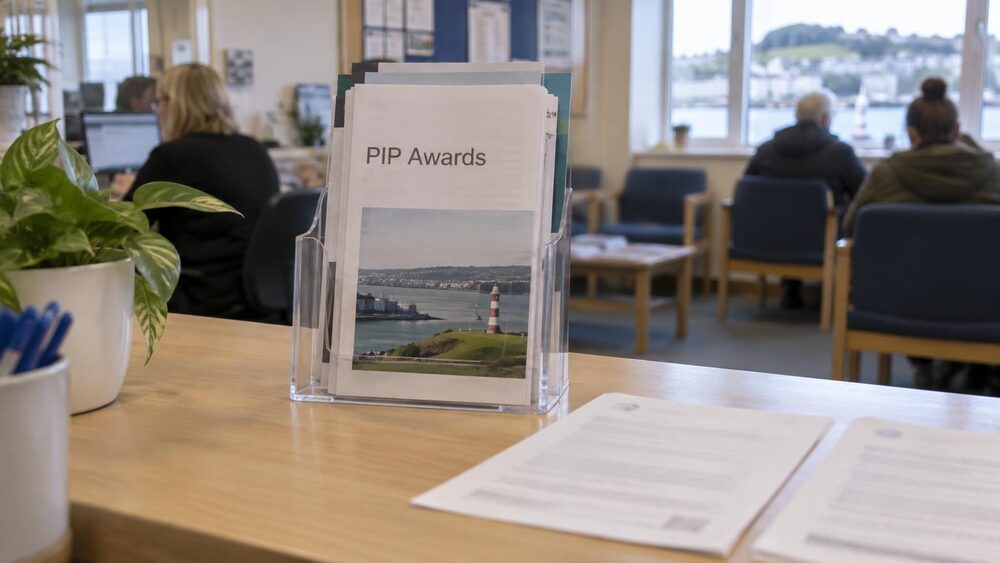
Most new Personal Independence Payment (PIP) awards to people aged 25 or over are now for four years, with a review after three years, under changes that took effect in April 20261. The same award durations apply to the existing PIP caseload from 16 June 20261. The Department for Work and Pensions (DWP) says the change replaces the previous range of award lengths, which ran from nine months to ten years1.
The DWP's statistics to April 2026, published on 16 June 2026, state: "Since April 2026 most new awards to people aged 25 or over will be for 4 years with a review after 3 years"1. The same release adds: "The changes will also apply to the existing PIP caseload from 16 June 2026"1. Subsequent awards following a successful review will generally last six years, with another review after five years2. Award types and review periods will continue to be decided on an individual basis, taking into account a claimant's needs and the likelihood of those needs changing2.
As at 30 April 2026 there were 4 million claimants entitled to PIP in England and Wales, a 2% increase on the number as at 31 January 20261. Of these, 3.3 million (83%) were of working age and 680,000 (17%) were of State Pension Age; 37% received the highest level of award, the same level as in January 20261. In the quarter ending April 2026 there were 250,000 registrations and 240,000 clearances for new claims, 130,000 planned award reviews registered and 120,000 cleared, and 74,000 mandatory reconsiderations registered and 91,000 cleared1.
Separate figures covering 2.3 million planned award reviews carried out between August 2021 and July 2026 show 65 per cent resulted in the award being maintained at its existing level and 14 per cent in an increase, so 79 per cent, around 1.8 million reviews, ended with the same or a higher award2. Five per cent resulted in a decrease and 16 per cent ended with the claimant no longer entitled to PIP2. Over the five years to April 2026, 78% of planned award reviews resulted in an increase or no change to the level of award1.
| Award review outcome, August 2021 to July 2026 | Share of reviews |
|---|---|
| Award maintained at existing level | 65 per cent |
| Award increased | 14 per cent |
| Award decreased | 5 per cent |
| No longer entitled to PIP | 16 per cent |
Source: Daily Record, reporting DWP statistics2
PIP has been replaced by Adult Disability Payment for people living in Scotland, and Social Security Scotland completed the transfer of existing Scottish PIP claimants to the devolved benefit by the end of June 20251. The April 2026 statistics cover England and Wales1. People nearing the end of their lives have claims fast tracked under Special Rules for End of Life; from 3 April 2023 the DWP allowed claims from people with a progressive disease from which death can reasonably be expected within 12 months, where previously the rules applied to people with six months or less to live1.
Why it matters for households
The award length determines when a claim is looked at again, so the change affects how often people aged 25 or over face a review. Claimants continue receiving PIP while their claim is being reviewed2. They are sent a PIP review form and asked to return it, along with any supporting information not previously provided, within one month; if more information is needed, an independent health professional may make contact or the claimant may be invited to an assessment, which can take place in person, over the phone or by video call2. Once the review is completed, the claimant receives a letter explaining what will happen to their PIP2.
Where a review decision is disputed, a mandatory reconsideration can normally be requested within one month of the decision, although a late request may be accepted where there is a good reason2. There were 2.6 million award reviews following a PIP assessment between April 2021 and March 2026, with 94 per cent continuing to receive PIP following the review2. Around 300,000 mandatory reconsiderations were registered against these decisions, equivalent to 11 per cent of the reviews, and of the completed reconsiderations, excluding withdrawn cases, 26 per cent resulted in a change to the award2. Some 38 per cent of completed reconsiderations resulted in an appeal being lodged2. Of appeals lodged against PIP award review decisions, 44 per cent were lapsed, meaning the DWP changed its decision in the claimant's favour before a tribunal hearing, and among decisions reaching a tribunal hearing, 79 per cent were overturned2. Overall, 4 per cent of the 2.6 million award reviews following an assessment were appealed and 1 per cent were overturned at a tribunal hearing2.
What happens next
The next PIP statistics release is due on 15 September 20261. The award duration changes for the existing caseload took effect on 16 June 20261.
 Turn2usFree benefits calculator and grants search from a charity
 Citizens AdviceFree advice on money, consumer and legal problems in England and Wales
 GOV.UKOfficial information on tax, benefits and government services
 MoneyHelperFree, impartial money and pensions guidance, set up by government