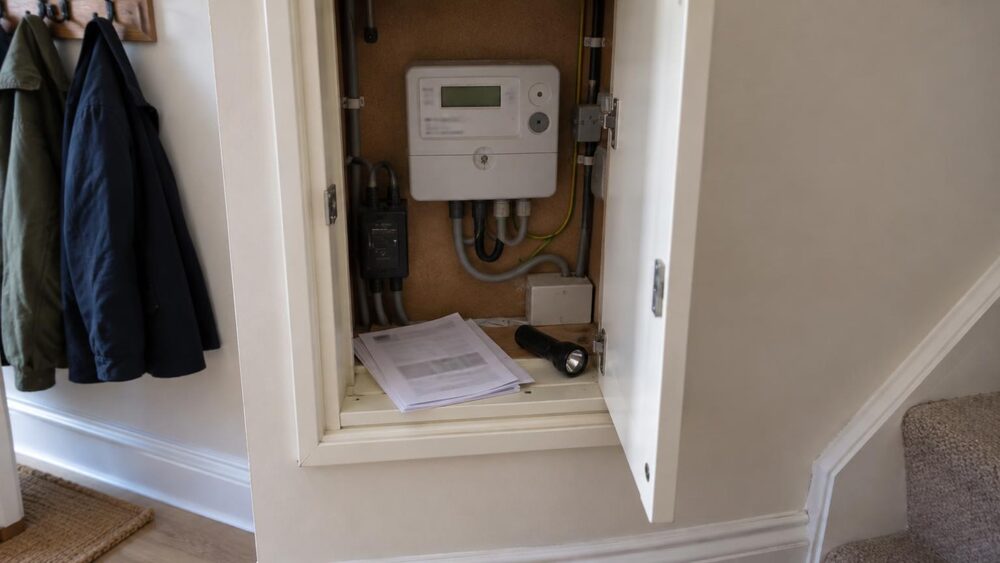
The government removed some scheme costs from household electricity bills on 1 April 2026, lowering the amount consumers pay for their energy1. The change is separate from the energy price cap, which Ofgem reviews every three months, in January, April, July and October1. Suppliers apply the lower prices automatically and customers do not need to do anything1.
The cut applies to both variable and fixed tariffs. Which? reports that households already on a fixed deal have also seen their rates cut from 1 April because of the removal of government scheme costs2. Citizens Advice states that suppliers should tell customers what their unit rate and standing charge will be from that date1.
"From 1 April 2026, the government have removed some costs from your energy bill. This has lowered the amount you pay for your energy."
A tariff combines the rate paid for each unit of gas or electricity with a daily standing charge, which is payable regardless of usage1. On a standard variable tariff, also called a default tariff, rates move with the price cap and suppliers must give a month's notice of changes2. Standard tariffs carry no exit fees, so customers can leave at any time2. Fixed tariffs set the unit rates and standing charge for the contract length, usually 12 or 24 months, but do not fix the total bill, which depends on usage2. Exit fees on fixed deals can reach £75 per fuel on a 12-month contract, though switching is free in the 42 to 49 days before a tariff ends2. Citizens Advice puts the free-switching window at 49 days or fewer remaining1.
Other tariff types are unaffected in the same way. Capped tracker tariffs adjust every three months in line with the price cap, with unit prices always below it, while dynamic trackers can change daily or half-hourly2. The Ofgem price cap does not apply to tracker tariffs, and some carry a higher supplier-set cap or none at all1. Prepayment price-capped tariffs are slightly cheaper than direct debit tariffs on the price cap, and one supplier currently sells fixed deals for prepayment customers2. Time-of-use tariffs charge different rates at peak and off-peak times and usually require a smart meter1.
Why it matters for households
The reduction applies to electricity bills from 1 April 2026 and is applied automatically by suppliers, so no action is needed to receive it1. Because the change is not part of the price cap, it affects bills independently of the cap's quarterly reviews1. Households on fixed tariffs benefit even though their rates were otherwise locked in2. The amount saved varies with usage, since unit rates and standing charges, not total bills, are what have changed2. Standing charges vary by postcode and network operator1. For households on tracker or dynamic time-of-use tariffs, the Ofgem price cap does not apply, so the effect of the change depends on the terms of the individual tariff1.
What happens next
The price cap continues to be reviewed every three months, in January, April, July and October1. Suppliers must give a month's notice of any change to variable tariff rates2. The government has not reported any further removal of scheme costs beyond the 1 April change1.
Consumers looking at how the change affects their bills can read our guide to cutting household bills, and more on how energy and other markets are regulated is in our regulation-policy section.
Sources2 cited
- Choosing your energy tariff - Citizens Advice citizensadvice.org.uk
- Energy tariffs explained - Which? which.co.uk

 Financial Ombudsman ServiceFree, independent help when a complaint about a firm is not put right
 FSCSProtects your money if a bank, insurer or investment firm fails
 FCA Warning ListCheck whether a firm is authorised before you deal with it
 MoneyHelperFree, impartial money and pensions guidance, set up by government
 Citizens AdviceFree advice on money, consumer and legal problems in England and Wales