BBC News has corrected a live blog post that gave an incorrect figure for the amount an average household can expect to save from an upcoming reduction in energy bills, according to the fact-checking organisation Full Fact1.
The post said the Prime Minister Sir Keir Starmer told a press conference on Monday that "energy bills will be capped to the end of June, saving the average household £170"1. Full Fact reports that he in fact said: "We have capped energy bills until the end of June, saving the average household £117"1.
"We have capped energy bills until the end of June, saving the average household £117."
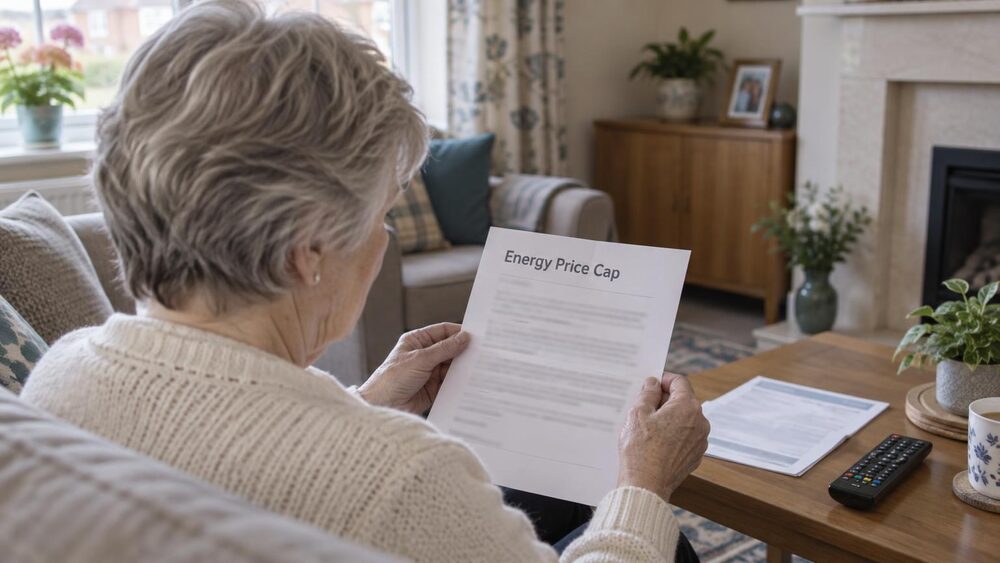
The energy price cap limits the maximum amount that can be charged for each unit of gas and electricity and standing charge for households on a standard variable tariff1. It is set to fall in April by £117 a year for a typical household with a dual-fuel bill paying by direct debit1.
Full Fact said it contacted the BBC about the error and that the broadcaster corrected the post1. The correction was reported on 17 March 20261.
Why it matters for households
The difference between the two figures is £53 a year for a household matching the description used, a typical dual-fuel customer paying by direct debit1. The £117 figure applies to the reduction in the cap due in April, and the cap itself sets the maximum unit rates and standing charges rather than a total bill, so what any individual household pays depends on how much gas and electricity it uses1.
The cap applies to households on a standard variable tariff, not to those on fixed deals or other arrangements1. The £117 saving is described as an annual figure for a typical household, not a one-off payment or a guarantee for every home1.
The misreported £170 figure circulated in a BBC live blog before being corrected, so readers who saw the original post may have taken away a higher expected saving than the one the Prime Minister stated1.
What happens next
The reduction in the cap is set to take effect in April1. No further dates for the cap beyond that, or for any subsequent change, are given in the reporting1.

 Financial Ombudsman ServiceFree, independent help when a complaint about a firm is not put right
 FSCSProtects your money if a bank, insurer or investment firm fails
 FCA Warning ListCheck whether a firm is authorised before you deal with it
 MoneyHelperFree, impartial money and pensions guidance, set up by government
 Citizens AdviceFree advice on money, consumer and legal problems in England and Wales