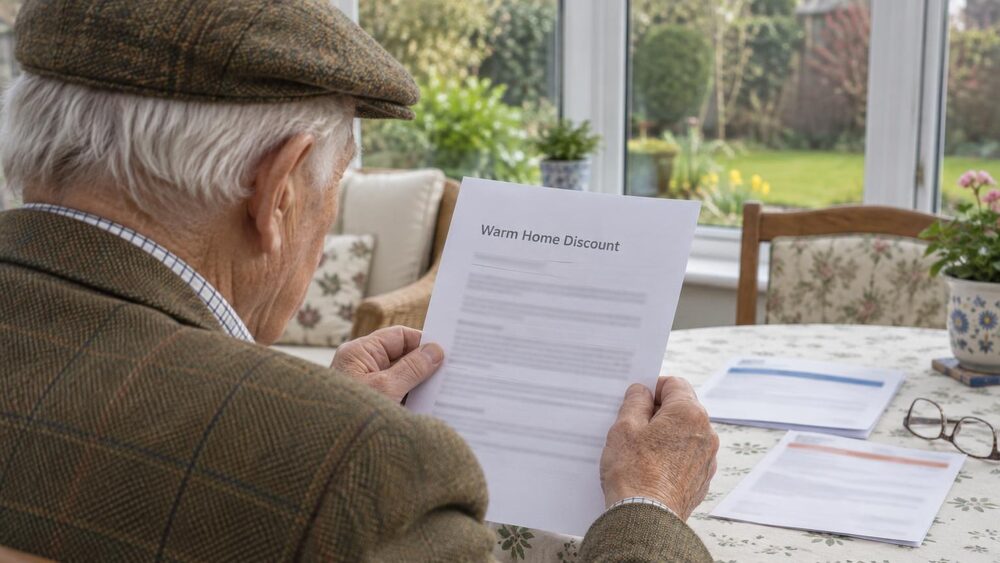
The Government published its response to the consultation on expanding the Warm Home Discount through to 2031 on 30 January 2026, alongside the Warm Homes Plan and the Fuel Poverty Strategy for England1. The response did not take forward calls to increase the £150 rebate or to widen eligibility beyond people receiving means-tested benefits1.
Fair By Design, which responded to the consultation, said respondents had been "unequivocal in calling for an increase to the £150 rebate", pointing to a current fuel poverty gap of more than £400, and for eligibility to be expanded beyond those receiving means-tested benefits, which it describes as expanding the scheme into a full social tariff1. It said it was disappointed these recommendations had not been taken forward at this stage1.
"Respondents to the Warm Home Discount consultation, including Fair By Design, were unequivocal in calling for an increase to the £150 rebate"
The group said it was encouraging that the Government has committed to considering incremental improvements, including new application routes for low-income households over the scheme's five-year lifetime, and that it has committed to consult on any significant future changes1. Fair By Design said it will continue to urge regular, formal and independent reviews of the scheme1.
On the wider announcements, Fair By Design welcomed the Warm Homes Plan and said £5bn of its £15bn budget has been earmarked for low-income households, which will be able to upgrade their homes with technologies such as solar panels and battery storage at no cost1. It said it looks forward to further detail on new low-income loans being introduced, and welcomed the emphasis on energy affordability in the Fuel Poverty Strategy1. It also welcomed the Government bringing together datasets from across departments, as recommended in a Public First report published in August 2025, which it said would be critical to targeting future affordability schemes through automatic provision of support1.
Why it matters for households
The Warm Home Discount is a one-off rebate on electricity bills for eligible households, and the £150 figure is unchanged1. Households that qualify through means-tested benefits see no change to the amount or to the eligibility rules under this response1. The scheme's extension to 2031 means it continues to exist over that period, but the practical effect for a household that does not currently qualify is that nothing changes at this stage1. Fair By Design notes that new application routes for low-income households are to be considered over the scheme's five-year lifetime, which would create a way in for some households that the current benefit-based route does not reach, but no dates or detail for those routes are given1. The £5bn earmarked within the £15bn Warm Homes Plan budget concerns home upgrades rather than bill rebates, and the sources do not set out how households will be selected for solar panels, battery storage or the new low-income loans1.
What happens next
The Government has committed to considering incremental improvements to the Warm Home Discount, including new application routes for low-income households over the scheme's five-year lifetime, and to consult on any significant future changes1. No timetable for those improvements has been reported1. Further detail on the new low-income loans under the Warm Homes Plan is also awaited1.
 Financial Ombudsman ServiceFree, independent help when a complaint about a firm is not put right
 FSCSProtects your money if a bank, insurer or investment firm fails
 FCA Warning ListCheck whether a firm is authorised before you deal with it
 MoneyHelperFree, impartial money and pensions guidance, set up by government
 Citizens AdviceFree advice on money, consumer and legal problems in England and Wales