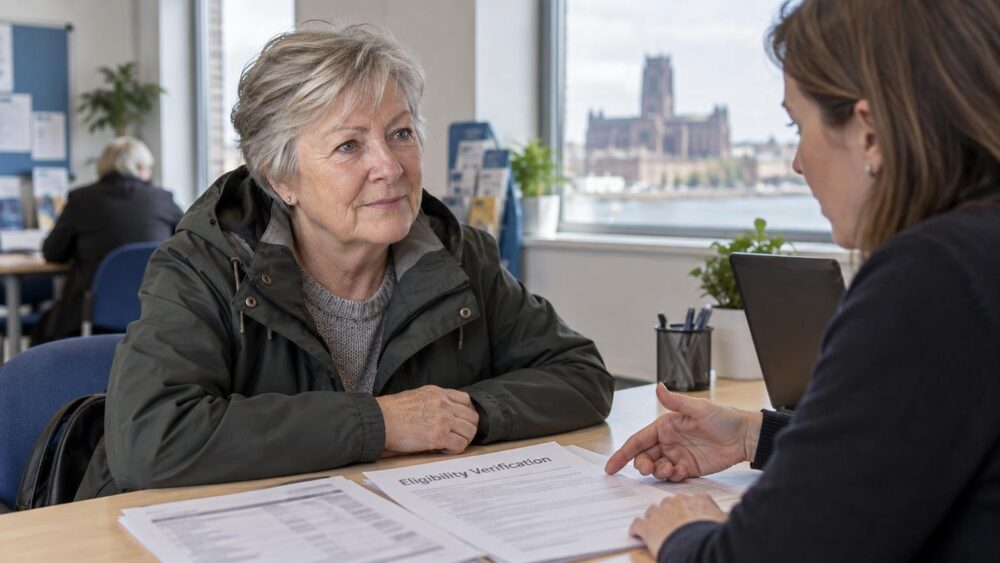
A public consultation on the Department for Work and Pensions (DWP) Code of Practice for new benefit eligibility verification powers opened in December and runs until 27 February 20261. The powers sit in the Public Authorities (Fraud, Error and Recovery) Act, which received Royal Assent in December 20251. The rules have not yet been implemented; that will happen only once the Code of Practice has been developed and laid before Parliament, after which an implementation date will be confirmed1.
According to DWP figures, benefit fraud and error resulted in £9.5bn of overpayments in 2024-25, equivalent to around 3.3% of total benefit spending, and the government says the new powers are expected to help save £1.5bn by 20301. The powers are known as Eligibility Verification Measures and require banks and other financial institutions to use their own data to identify accounts held by people claiming certain DWP benefits that may not meet specified eligibility rules1. Banks will need to screen any account that receives DWP benefit payments, as well as other accounts held with that same bank1. Where a bank identifies a potential issue, it will inform the DWP of the account holder's name and date of birth, as well as basic account details such as the sort code and account number1. The DWP says the new powers will not give it direct access to bank account or financial account data, and no decisions about benefit entitlement will be made on this information alone1. The DWP says it will work with the 15 biggest banks in the UK, which include Barclays, HSBC, Halifax, NatWest and Santander1.
Three benefits are within scope: Universal Credit, Pension Credit and Employment and Support Allowance1. The law leaves open the possibility of additional benefits being added, but the state pension is "explicitly excluded" and cannot be added by regulations1. The government will give banks a list of eligibility indicators; the full list will not be published, but the DWP has shared two examples1:
| Indicator given by the DWP | Benefit concerned |
|---|---|
| More than £16,000 in savings | Universal Credit |
| Appears to be abroad for more than four weeks | Pension Credit |
Every case flagged by a bank must be reviewed by a DWP officer before any action is taken1. Banks are not allowed to share full bank statements or detailed information about how a claimant spends money, and are banned from sharing sensitive personal data such as information about race, religion or political views, with penalties if they share more than they are allowed to1. Any data used must be handled in line with UK GDPR and the Data Protection Act 2018, and cannot be used to presume a claimant is guilty of fraud1. An independent reviewer is required to report annually on how the powers are used1.
Why it matters for households
The powers cover people claiming Universal Credit, Pension Credit or Employment and Support Allowance, and the accounts a bank screens include any other account the claimant holds with that same bank, not only the account receiving benefit payments1. Where the DWP identifies an overpayment, claimants still on benefits will normally see recovery by reducing future payments until the debt is paid back; those no longer claiming will usually be asked to repay in full or agree a monthly repayment plan1. If the DWP cannot reach a claimant, it can ask a bank for limited information, such as up to three months of statements, to assess affordability, and this can apply to any bank where an account is held1. If the DWP decides a claimant can afford to repay, it writes to say it intends to take money directly from the account using a direct deduction order, with one month to challenge the decision1. If there is no challenge or response, the DWP can instruct the bank to begin deducting money until the debt is repaid, and the bank may charge an administrative fee that could be taken from the account1. In limited circumstances the DWP can apply to a court to suspend someone's driving licence if they persistently refuse to repay a benefit debt of £1,000 or more despite having the means to do so; this is intended as a last resort and would not apply where a licence is essential for work or caring responsibilities, and any disqualification would not result in penalty points or a criminal record1. Claimants who believe the DWP has made a mistake or wrongly flagged an account have the right to challenge the decision1.
What happens next
The consultation runs until 27 February 20261. Once the codes have been laid before Parliament, an implementation date will be confirmed1. The DWP has not published the full list of eligibility indicators1.
Sources1 cited
- Can the DWP check your bank account? - Which? which.co.uk

 Financial Ombudsman ServiceFree, independent help when a complaint about a firm is not put right
 FSCSProtects your money if a bank, insurer or investment firm fails
 FCA Warning ListCheck whether a firm is authorised before you deal with it
 MoneyHelperFree, impartial money and pensions guidance, set up by government
 Citizens AdviceFree advice on money, consumer and legal problems in England and Wales