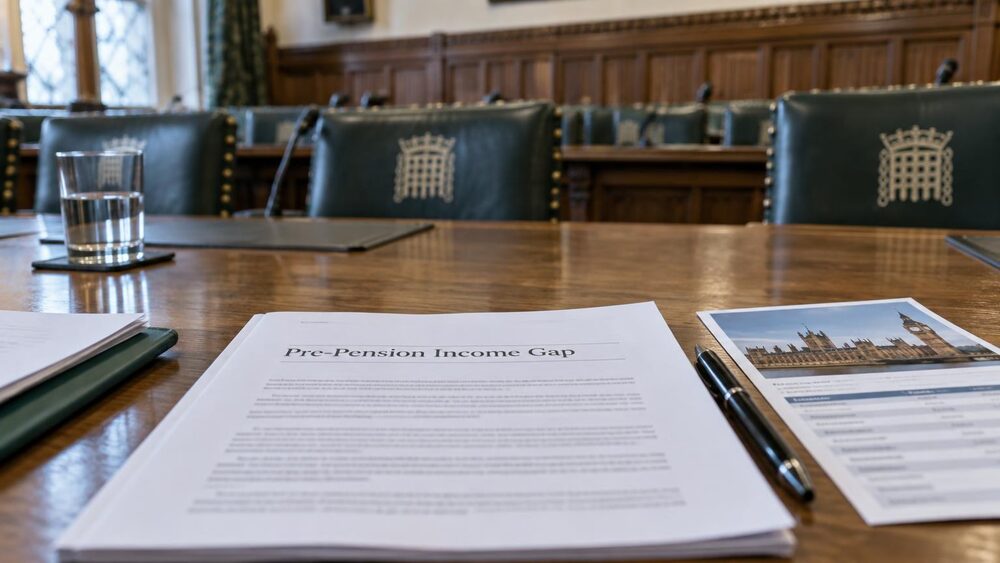
The Work and Pensions Committee, a cross-party group of MPs, launched an inquiry on 10 November 2025 into the pre-pension income gap, ahead of the State Pension age increase to 671. The committee said it will examine the reasons for premature retirement, inequality, the impact on pre-pensioner and pensioner poverty of raising the State Pension age, and what support to smooth the transition could look like1.
From April, the government will phase in a State Pension age increase from 66 to 67, to be complete within two years1. The committee said 60 to 64 year olds are the joint poorest age group among working-age adults aged 25 and over, and that in 2023/24, 22% of them, or 876,000 people, were living in poverty1. It added that the last increase, from 65 to 66, led to 100,000 more 65 year olds in absolute income poverty compared with before1.
The inquiry was published alongside the government's response to the committee's report on Pensioner Poverty1. In that response, the government did not commit to an ageing society strategy as recommended by the committee, and when asked for an impact assessment for the incoming State Pension age increase it pointed to the most recent one, published in 20131. In July, the government launched a State Pension age Review to examine the framework for future increases; it has not been asked to review the impending change1.
Committee Chair Debbie Abrahams said:
"We do not yet know the impact of the State Pension age increase on these people. The Government's last impact assessment on pushing the retirement age to 67 was in 2013, before the damage caused by Covid to the economy and to people's health."
The committee's call for evidence asks about the characteristics of the 60 to 66 age group, including labour market inactivity, poverty rates and the extent of private pension and other savings1. It also asks how effectively the government has communicated the increase from 66 to 67, whether the Department for Work and Pensions has adequate arrangements to assess the impact of State Pension age increases, and what form mitigations might take, including early access to the State Pension for specific groups, the means-tested benefits system, employment support or labour market policies1.
Why it matters for households
People approaching State Pension age are affected by the timing of the increase and by what income they have before it. The committee's figures indicate that 876,000 people aged 60 to 64 were in poverty in 2023/24, and that the previous increase from 65 to 66 was followed by 100,000 more 65 year olds in absolute income poverty1. The inquiry covers those who leave work early, including to care for partners or on health grounds, and who are not yet old enough to claim their State Pension1. The committee is also examining take-up of support already available to people aged 60 to 66, and whether the increase has been communicated effectively to those directly affected1. Anyone wanting to check their own position can use the State Pension forecast service, and the Pension Wise guidance service covers pension options. How pensions interact with means-tested support is set out in how pensions affect Pension Credit and other benefits.
What happens next
Written evidence can be submitted on the inquiry webpage by 16:00 on 19 December 20251. The State Pension age increase from 66 to 67 begins to be phased in from April1. The separate State Pension age Review, launched in July, is examining the framework for future increases and has not been asked to review the impending change1.
Sources1 cited
- Inquiry launched on pre-pension income gap support - Committees - UK Parliament committees.parliament.uk

 Pension WiseFree guidance on your options for a defined contribution pension, from age 50
 FSCSProtects your money if a bank, insurer or investment firm fails
 GOV.UKOfficial information on tax, benefits and government services