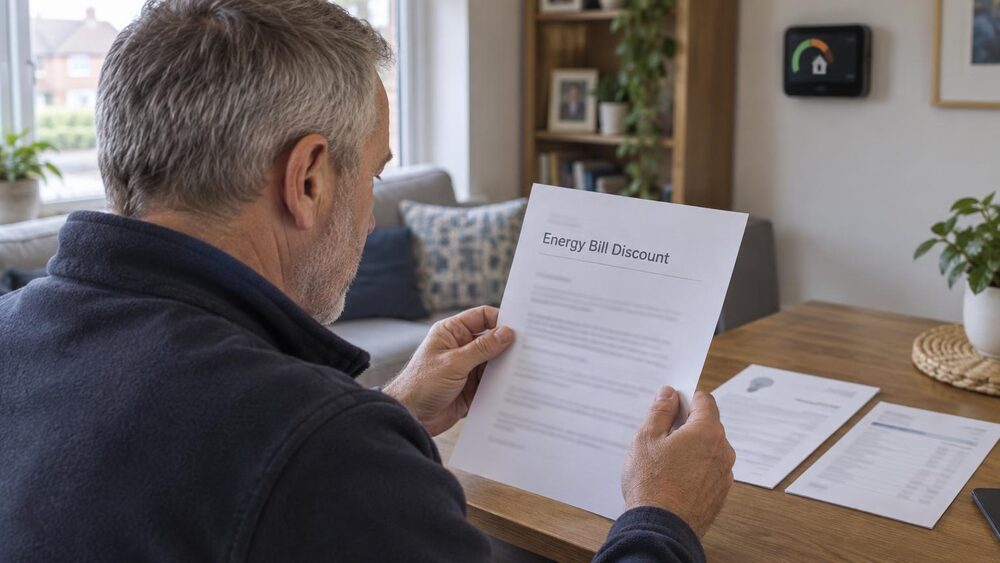
The Chancellor, Rachel Reeves, announced a £130 discount on energy bills from next year, funded for three years, in her second Budget1. The Resolution Foundation, an independent think tank, said the measure was intended to "ease energy bills, the epicentre of the cost of living crisis, with a £130 discount from next year"1.
Half of the energy bill package comes from the Exchequer picking up some of the social and energy policy costs currently added to bills, but this funding will only last for three years, meaning £55 is set to be added back onto electricity bills in 2029-301. The Resolution Foundation noted that 2029-30 is also the most likely year of an election1.
The Budget also included a freeze in rail fares and a continuation of the freeze in duties on petrol1. The Resolution Foundation said these measures are forecast to shave 0.5 percentage points off inflation in Spring 2026, which it said should help the Bank of England bring down interest rates, giving space for one or more interest rate cuts to be brought forward1.
The Resolution Foundation said the Chancellor also announced the abolition of the two-child limit on welfare payments, which it said should result in 450,000 fewer children living in poverty by 2029-301. It said most of the revenue raising was done by extending the freeze of personal tax thresholds for another three years, until 2030-31, and that a typical employee will face a £220 higher tax bill in 2030-31 as a result of the freeze extension1.
"ease energy bills, the epicentre of the cost of living crisis, with a £130 discount from next year"
The Resolution Foundation said the Budget's decisions, along with those from the government so far, have been progressive, with incomes of the poorer half rising roughly £90 on average compared with losses of £1,000 for the top half1. It said real household disposable income is forecast to grow more slowly over this Parliament than during any other on record bar the previous one1.
Why it matters for households
The £130 discount applies to energy bills from next year, and the funding behind it lasts three years1. From 2029-30, £55 is set to be added back onto electricity bills1. Households on the personal tax threshold freeze will see a typical employee face a £220 higher tax bill in 2030-311. The Resolution Foundation said the abolition of the two-child limit should result in 450,000 fewer children living in poverty by 2029-301. The rail fare freeze and the continuation of the petrol duty freeze are forecast to shave 0.5 percentage points off inflation in Spring 20261.
What happens next
The energy bill discount takes effect next year1. The £55 addition to electricity bills is set for 2029-301. The personal tax threshold freeze runs until 2030-311. The Resolution Foundation said the tax changes are backloaded, with more than three-quarters coming in around or after the most likely date for the next election1.

 Financial Ombudsman ServiceFree, independent help when a complaint about a firm is not put right
 FSCSProtects your money if a bank, insurer or investment firm fails
 FCA Warning ListCheck whether a firm is authorised before you deal with it
 MoneyHelperFree, impartial money and pensions guidance, set up by government
 Citizens AdviceFree advice on money, consumer and legal problems in England and Wales