
The final migration notices in the Move to Universal Credit campaign were issued in the week beginning 1 September 2025, according to the Resolution Foundation, which reported "the final migration notices being issues this week"1. Turn2us had earlier stated that all managed migration notices were expected to be sent by the end of September 20252. Shelter England told claimants receiving income-related Employment and Support Allowance that they "could get the letter between now and September 2025"3 and that they "should get it by September 2025"4.
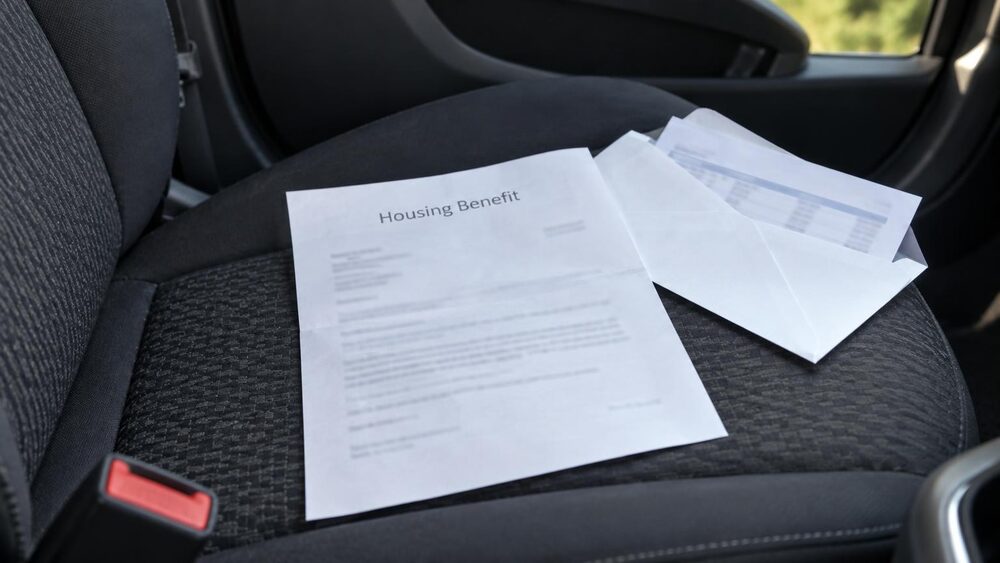
A migration notice is a letter from the Department for Work and Pensions setting out the date by which a claim to Universal Credit must be made. Shelter England states that claimants usually have three months to claim from the date the letter arrives, and that the DWP also sends a reminder3. It adds that people should not apply for Universal Credit before receiving the letter, because they might get less money3. Claims can be backdated by up to one month where there is a good reason for not claiming earlier4. The first monthly payment does not arrive for at least five weeks4.
The Resolution Foundation says the migration has produced an "artificial" increase in the number of people entering the Universal Credit health caseload over the past year1. It reports that over a third of Universal Credit claimants are in the health group, up from 32 per cent a year earlier, and that four in five of those going through a Universal Credit work capability assessment end up in the LCWRA group, which receives a top up of £423 per month and has no work search requirements1. Before the recent change, the proportion receiving additional benefits from the assessment stood at about 65 to 70 per cent1.
The Resolution Foundation also reports that the UC Bill passed through Parliament earlier in September 2025, and that it will halve the amount of health-related Universal Credit paid to most new claimants from 2026 onwards, from £423 to £217 per month, while the standard element rises gradually for all claimants1.
"This will halve the amount of health-related UC paid to most new claimants from 2026 onwards (from £423 to £217 per month)"
Health-related claims are unevenly spread. The Resolution Foundation reports that only three in ten Universal Credit claimants in London are in the health group, against more than two-fifths of those in the North East, Wales and Scotland1. In Inverclyde, over half of claimants are in the health group; in Newham, less than a quarter1. The ten local authorities with the highest proportion are all in Scotland and Wales, ranging from 47 per cent to 52 per cent1. Among claimants aged 60 to 64, more than three-fifths receive a health element, almost double the proportion of claimants aged 16 to 591.
| Group | Share in the Universal Credit health group |
|---|---|
| Great Britain average | Over a third1 |
| London | Three in ten1 |
| North East, Wales and Scotland | More than two-fifths1 |
| Claimants aged 60 to 64 | More than three-fifths1 |
| Claimants aged 16 to 59 | 34 per cent1 |
The Resolution Foundation states that 3.1 million families now receive a health-related benefit, up from 2.9 million a year earlier and 2.3 million on the eve of the pandemic1.
Why it matters for households
People who were receiving income-related Employment and Support Allowance and have not yet received a migration notice should expect one, with the final notices issued in the week beginning 1 September 20251 and all notices expected by the end of September 20252. The notice sets the deadline for claiming Universal Credit, usually three months from receipt3. Claiming before the notice arrives can mean less money3, and the first payment takes at least five weeks4. Where someone moves from ESA to Universal Credit, another work capability assessment is not usually needed, though the DWP may require one if a condition changes or a review was due4. Transitional protection is available for eligible claimants moving across. From 2026, most new claimants in the health group will receive £217 per month rather than £4231.
What happens next
The Resolution Foundation says it remains unclear how far the UC Bill reforms will reduce the number of new health-related claims, or what the impact will be on those affected1. Turn2us states that the Government will start a review of Personal Independence Payment assessments in autumn 2025, expected to finish by autumn 20262.
Sources4 cited
- What the latest Universal Credit Health data tells us about benefit claims across Britain • Resolution Foundation resolutionfoundation.org
- Benefit changes timetable for 2025 | Turn2us turn2us.org.uk
- What is universal credit? - Shelter England england.shelter.org.uk
- Universal credit: When and how to apply - Shelter England england.shelter.org.uk
 Turn2usFree benefits calculator and grants search from a charity
 Citizens AdviceFree advice on money, consumer and legal problems in England and Wales
 GOV.UKOfficial information on tax, benefits and government services
 MoneyHelperFree, impartial money and pensions guidance, set up by government