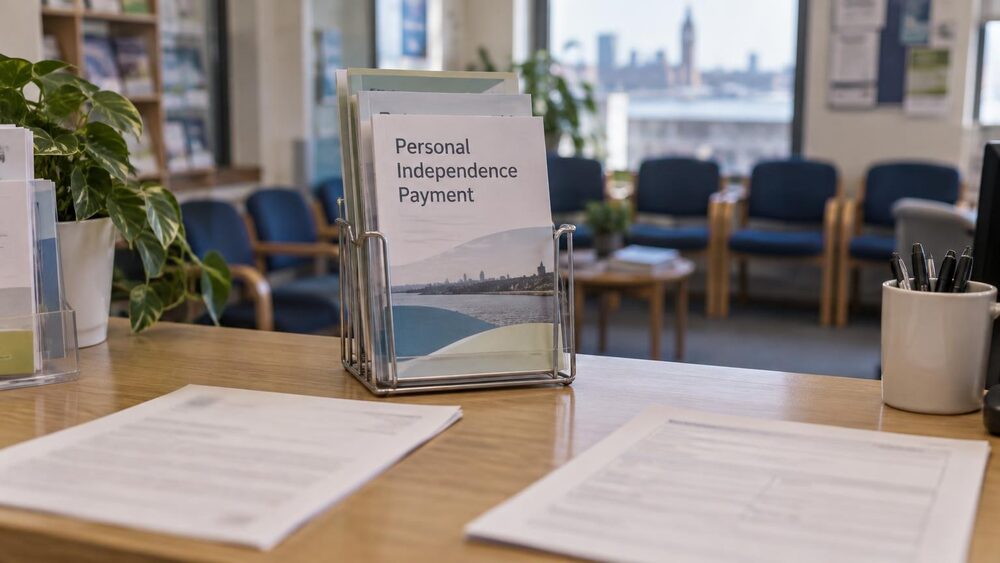
The Government has stuck to its proposal to change the Personal Independence Payment scoring system to make eligibility harder, but the change will not apply to existing claimants, the Resolution Foundation reported on 27 June 20251. The think tank said the concession avoids average losses of £4,500 a year for 370,000 existing claimants1.
On Universal Credit, the foundation said the Government was already treating new and existing claimants very differently, with new claimants due to be paid just over half the rate given to existing ones1. Previously, new claimants were set to continue to receive their entitlement in cash terms, but will now have "their incomes fully protected in real terms"1.
The Resolution Foundation said it was not yet clear whether that means UC health payments will grow with inflation, or that overall benefit income will grow with inflation1. Because the standard rate of Universal Credit is set to go up by more than inflation, it said the second reading would be less generous1.
"the Government has stuck to the proposal to change the scoring system to make eligibility harder, but this change will now not apply to existing claimants"
On the wider benefits bill, the foundation said total welfare spending is growing in nominal terms, grows in real terms over the next five years though by less than total departmental spending, and is roughly flat as a share of GDP, slightly falling1. It said spending on pensioners and health-related benefits is offset by falls in other working-age benefits1. It also reported that public enthusiasm for spending more on disability benefits is at a record low, but that there is little support for spending less1.
Separately, the foundation said the central outlook for a typical household is a 1 per cent rise in income over the next four years, less than the income growth experienced over the past 12 months1. It said pensioners are set to do better than families with children, and households with above average incomes better than those with below average incomes1.
Why it matters for households
The scoring change to Personal Independence Payment will still apply to new claimants, so people starting a claim after the change face the harder test, while the 370,000 existing claimants identified by the Resolution Foundation keep their current awards and avoid the average £4,500 a year loss1. For Universal Credit, the split between new and existing claimants remains: new claimants are due to be paid just over half the rate given to existing ones, with their incomes now to be protected in real terms rather than held flat in cash terms1. The foundation noted the ambiguity over whether that protection covers UC health payments alone or overall benefit income, and that the answer changes how much money arrives1.
What happens next
The Resolution Foundation said that as it published, it was not yet clear whether the real-terms protection for new Universal Credit claimants means their UC health payments will grow with inflation, or that their overall benefit income will grow with inflation1. It also noted a commitment to bring employment support forward, which it said would be welcome if it comes with actual extra money1. No further dates for the scoring change or the Universal Credit arrangements are given in the source1.
Sources1 cited
- The changing outlook for incomes, benefits and your local park • Resolution Foundation resolutionfoundation.org

 Turn2usFree benefits calculator and grants search from a charity
 Citizens AdviceFree advice on money, consumer and legal problems in England and Wales
 GOV.UKOfficial information on tax, benefits and government services
 MoneyHelperFree, impartial money and pensions guidance, set up by government