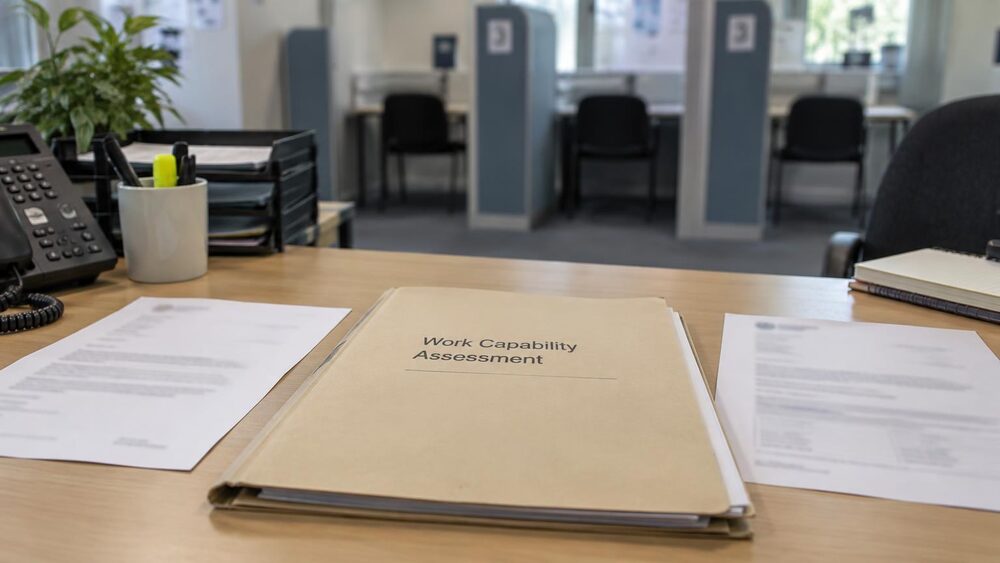
The government plans to change the "activities and descriptors" needed to pass a Work Capability Assessment from 2025, according to an autumn statement update published on 23 November 20231. The change would apply to new claimants of "new style" Employment and Support Allowance and some elements of Universal Credit1.
The update states that the government says the changes "will better reflect the greater flexibility and reasonable adjustments now available in the world of work", citing increased opportunities to work from home1. It adds that various charities are worried the changes will be highly damaging to people with serious health conditions1.
"From 2025, there are also plans to change the ‘activities and descriptors’ needed to pass a Work Capability Assessment for new claimants of ‘new style’ Employment and Support Allowance and some elements of Universal Credit."
The same update sets out other changes announced at the Autumn Statement. All working age benefits were to be increased using September's Consumer Prices Index rate of inflation, which was 6.7%, from April 2024, including Employment and Support Allowance and Universal Credit1. All pension age benefits, including Pension Credit and the State Pension, were to rise by the average annual increase in wages across the UK in September, which was 8.5%, under the triple lock rules1.
| Measure | Change | Date |
|---|---|---|
| Working age benefits | Uprated by September CPI of 6.7% | April 20241 |
| Pension age benefits | Uprated by September wage growth of 8.5% | April 20241 |
| Local Housing Allowance | Maximum amounts increased to the 30th percentile of local market rents | April 20241 |
| Class 1 National Insurance | Reduced from 12% to 10% on earnings between £12,570 and £50,270 | January 20241 |
| Class 2 National Insurance | Abolished (flat rate of £3.45 a week); can still be paid voluntarily | April 20241 |
| Class 4 National Insurance | Reduced from 9% to 8% on earnings between £12,570 and £50,270 | April 20241 |
| National Living Wage | Increased from £10.42 to £11.44 an hour for those aged 23 and over | April 20241 |
| Universal Credit surplus earnings threshold | £2,500 threshold extended until at least April 2025 | April 20241 |
The update also notes that from late 2024, people in England and Wales will need to take mandatory work placements if they have not found a job after 18 months, and that benefit claims may be closed if they refuse1. Claims may also be closed if people have not engaged with their jobcentre for over six months, as long as they only receive the standard allowance of Universal Credit1.
On the Local Housing Allowance, the update says the freeze in place since 2020 will be lifted, with maximum amounts increased to the 30th percentile of local market rents, a rule applied for one year at that point1. It notes the level had been frozen since 2020 while private rents increased, and that the amount is much less than the 50th percentile last seen in 20111.
Why it matters for households
The Work Capability Assessment determines entitlement to Employment and Support Allowance and the health element of Universal Credit. Changing the activities and descriptors from 2025 would affect how new claimants are assessed, though the update does not set out the specific activities or descriptors that would change, and no further detail on the new criteria has been reported1.
The other measures in the update have set dates. The National Insurance cuts took effect in January 2024 for employees and April 2024 for the self-employed1. The update notes that the reduction in National Insurance would be of least help to low earners claiming Universal Credit, because when net earnings go up Universal Credit goes down, with 55% of the gain clawed back by the taper1. It adds that the same interaction applies to self-employed claimants, alongside the Minimum Income Floor1.
For private renters claiming Universal Credit or Housing Benefit, the Local Housing Allowance increase to the 30th percentile took effect from April 2024, meaning the amount covers the bottom 30% of market rents in an area, so many people would still have to top up their rent from other income1.
What happens next
The update says it will provide updates on the Work Capability Assessment changes as the situation changes1. The specific activities and descriptors, and the exact date in 2025 they would apply, have not been reported1.
Sources1 cited
- Autumn statement update November 2023 entitledto.co.uk
 Turn2usFree benefits calculator and grants search from a charity
 Citizens AdviceFree advice on money, consumer and legal problems in England and Wales
 GOV.UKOfficial information on tax, benefits and government services
 MoneyHelperFree, impartial money and pensions guidance, set up by government