The Joseph Rowntree Foundation published its Minimum Income Standard for the United Kingdom in 2024 on 2 September 2024, setting out what the public agree is needed for a dignified standard of living1. The report, produced by the Centre for Research in Social Policy at Loughborough University, draws on more than 130 hours of discussion with members of the public across the UK between May 2023 and March 2024, with all items priced in April 20241.
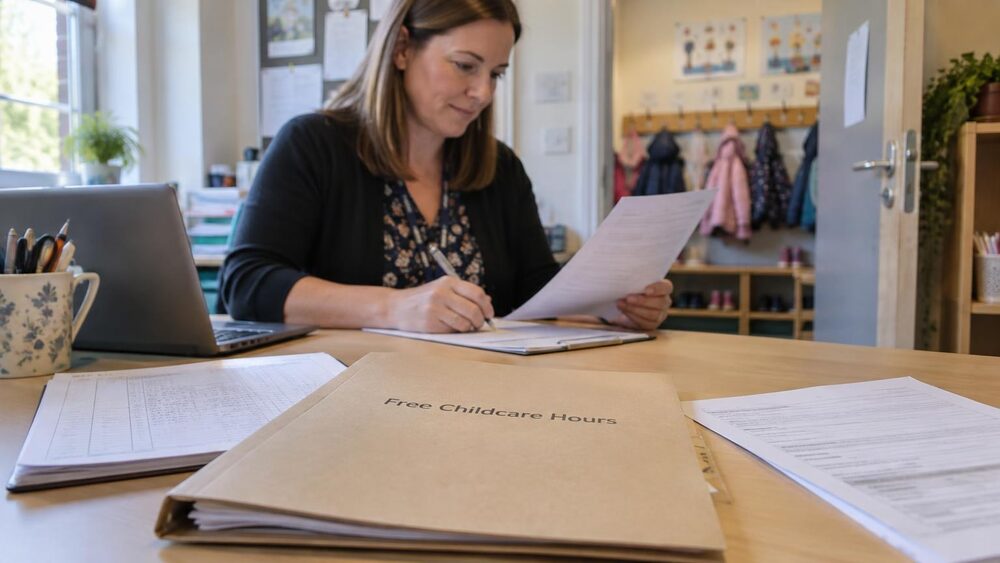
Among the changes the report accounts for are "the expanded versions of the 'free hours' childcare subsidy scheme that are scheduled to start in September 2024 and September 2025"1. The report does not set out the eligibility rules, hours or funding rates of those expanded entitlements, and does not state what will happen if they do not start as scheduled. The report notes uncertainty about availability, but gives no further detail on what that uncertainty concerns1.
The 2024 report is the first full rebasing of MIS budgets for all household types in the same year since the series began in 20081. The foundation said:
"In 2024, we have rebased (that is, developed from scratch) budgets for all households in the same year, for the first time since MIS was introduced in 2008."
The report also records other changes affecting household costs. April 2024 saw an inflation-based increase in benefits of 6.7%, while Council Tax, water and broadband prices all rose in April1. The final cost of living payments were made in February 2024, with no announcements of further support being planned1. The report states that without these payments, working households may struggle to meet the challenges posed by inflation, even though inflation fell between May 2023 and April 2024 and is forecast to reach 2% in the second half of 20241.
On transport, the report cites rail fare increases of 4.9% in England and Wales in March 2024, 8.7% in Scotland from 1 April 2024, and 5.7% in Great Britain in March 20231. It also notes that groups added an additional healthcare budget of £200 a year per parent or working-age adult, so that they could pay for health-related services such as physiotherapy or counselling if necessary while waiting for NHS treatment1.
The report gives headline income figures: a single person needs to earn £28,000 a year to reach a minimum acceptable standard of living in 2024, and a couple with two children need to earn £69,400 a year between them1. A couple with two children where one parent works full time on the National Living Wage and the other does not work reached only 66% of MIS in 2024, compared with 74% in 20231.
Why it matters for households
The childcare element matters to parents because the report treats the expanded free hours as part of what households will have available from September 2024 and September 2025, but records uncertainty about whether it will be available as planned1. The report does not say which families are covered, how many hours they would receive, or what the position is in Scotland, Wales and Northern Ireland, so those details have not been reported here.
For households on benefits, the report's comparison is dated: the 6.7% benefit uprating took effect in April 2024, and the last cost of living payments were made in February 2024 with no further support announced1. The report's own figures show a working couple with two children on the National Living Wage falling further short of the MIS threshold in 2024 than in 2023, at 66% against 74%1. Families weighing childcare support against the Tax-Free Childcare scheme and the Universal Credit childcare element are affected by how the free hours interact with those routes, though the report does not set out that interaction.
What happens next
The report states that the expanded free hours are scheduled to start in September 2024 and September 20251. Under the revised MIS schedule, budgets will be uprated by inflation in odd-numbered years and subject to new primary research every two years, alternating between review and rebase, with 2025 an inflation uprating year and 2026 a review year1.
 Turn2usFree benefits calculator and grants search from a charity
 Citizens AdviceFree advice on money, consumer and legal problems in England and Wales
 GOV.UKOfficial information on tax, benefits and government services
 MoneyHelperFree, impartial money and pensions guidance, set up by government