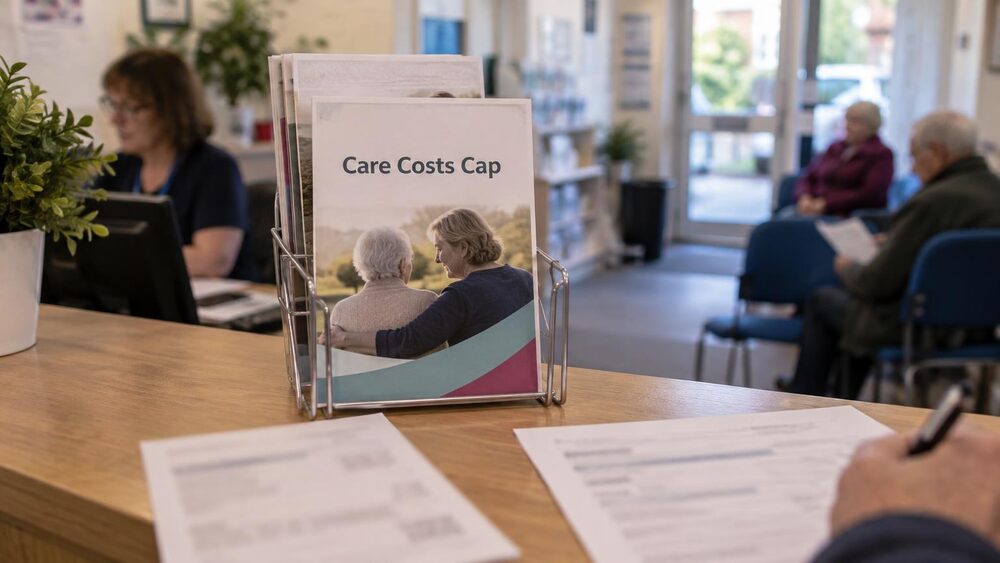
The Government elected in July 2024 will not introduce the social care charging changes planned by the previous Government, according to Age UK. Those plans covered a cap on care costs and changes to the financial assessment rules in England1.
Age UK states that the proposed changes did not come into force under the previous Government, and that the current Government has also said it will not be introducing them now1. The charity adds that the current Government has not published any plans to change the way people are charged for social care, and that there is no information about whether the way people pay for social care will change in the future1.
"These proposed changes didn't come into force under the previous Government and the current Government, elected in July 2024, have also said they will not be introducing these changes now."
The existing rules in England are unchanged. The upper capital threshold for getting help with care costs is £23,2501. Age UK says that if capital, such as savings, is more than £23,250, a person has to pay their own fees as a "self-funder". If capital is less than £23,250, the council may provide financial support, and the person may have to pay a contribution from their income1.
| Item | Position reported by Age UK1 |
|---|---|
| Cap on care costs | Planned by the previous Government; not introduced; current Government says it will not introduce it now |
| Financial assessment changes | Planned by the previous Government; not introduced; current Government says it will not introduce it now |
| Upper capital threshold in England | £23,250 |
| Above the threshold | Pay your own fees as a "self-funder" |
| Below the threshold | Council may provide financial support; a contribution from income may be payable |
Age UK's page was last updated on 31 July 20241. The date on which the Government made its position known is not given in the source, and no further detail on the decision has been reported there1.
Why it matters for households
People in England who need care, and those who help pay for it, are affected by the decision not to proceed with the planned charging reforms. The cap on care costs would have limited how much an individual contributed towards their own care over their lifetime, and the financial assessment changes would have altered how savings and other capital are treated when a council works out who qualifies for help1.
Under the rules as they stand, capital above £23,250 means paying care fees in full as a self-funder, while capital below that figure can mean council financial support alongside a contribution from income1. Because the planned changes have not been introduced, those thresholds and assessment rules continue to apply for now1.
Age UK says the current Government has not published any plans to change how people are charged for social care, and that there is no information about whether the system will change in future1. Households therefore have no announced timetable for a cap or for revised assessment rules. More detail on how the current system works is set out in Paying for Care in England.
What happens next
No next steps have been announced. Age UK reports that the current Government has not published any plans to change social care charging, and that there is no information about whether the way people pay for social care will change in the future1.

 Financial Ombudsman ServiceFree, independent help when a complaint about a firm is not put right
 FSCSProtects your money if a bank, insurer or investment firm fails
 FCA Warning ListCheck whether a firm is authorised before you deal with it
 MoneyHelperFree, impartial money and pensions guidance, set up by government
 Citizens AdviceFree advice on money, consumer and legal problems in England and Wales