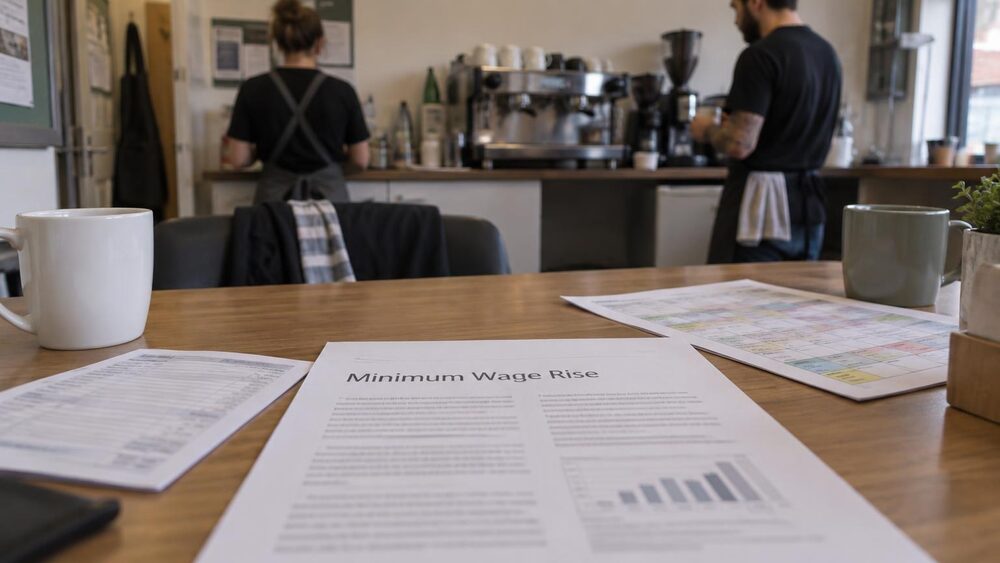
Workers on the minimum wage will see their hourly pay rise by 10 per cent in April, the Resolution Foundation said on 19 January 20241. The foundation set out the increase in an article on housing costs and the cost of living, published in The Times1.
The same article said the average UK household is set to be £1,900 poorer by January 2025 than in December 20191. It also said the Bank of England froze the interest rate at 5.25 per cent in September 2023, after 14 consecutive rises1.
On housing, the foundation's cost of living survey found more than two in five households reported an increase in their housing costs in autumn 20231. Increases were most common among social renters and private tenants, at 54 per cent and 43 per cent respectively, and mortgaged households affected saw housing costs rise by 23 per cent on average1. The article said 1.5 million households needing to remortgage in 2024 would still see payments rise by £1,800 a year on average, and that rising rates had cooled house prices but not rents, which were increasing at their fastest rate in more than a decade1.
The foundation said about one in seven "housing-pinched" families had seen housing costs rise without a pay rise, and two thirds of those families said they were worried about their financial future1.
"While those on the minimum wage will see their hourly pay rise by 10 per cent in April, most people will receive more modest increases. For some there will be no rise at all."
UK Finance, in its Household Finance Review for the first quarter of 2024, published in June 2024, described the minimum wage rise as "the substantial 9.8 per cent rise in the national minimum wage" that came into effect in April2. The two figures differ: the Resolution Foundation said 10 per cent1, UK Finance said 9.8 per cent2. UK Finance also said a further 2p cut to employee National Insurance contributions was announced in March and came into effect in April, worth an additional £606 a year in take-home pay for basic rate taxpayers when combined with the previous autumn's cut2.
| Measure | Detail | Date |
|---|---|---|
| Minimum wage hourly pay | Rise of 10 per cent1; described by UK Finance as 9.8 per cent2 | April 2024 |
| Employee National Insurance | Further 2p cut; combined with autumn cut, £606 a year more take-home pay for basic rate taxpayers2 | Announced March, effective April 2024 |
| Bank Rate | Held at 5.25 per cent on a 6-2 Monetary Policy Committee vote2 | May 2024 |
Why it matters for households
The minimum wage rise applies to hourly pay from April 2024, so workers on the floor see a larger percentage increase than most other employees, who the foundation said would receive more modest rises or none at all1. The National Insurance cut affects take-home pay for basic rate taxpayers from the same month2.
For households with mortgages, UK Finance said affordability pressures meant borrowing over the longest possible terms was more prevalent than before, particularly among first time buyers, and that external remortgage activity fell in the first quarter while internal product transfers, where affordability tests are not required, continued to grow2. It said mortgage arrears rose for the sixth consecutive quarter, though the rate of increase slowed, and that possessions increased but remained low by historic norms, mostly involving mortgages taken out before responsible lending rules came into place in 20142.
Renters face different pressures. The foundation said private tenants and social renters were the groups most likely to report rising housing costs, and that renters are at the whim of landlords who can impose large rent rises or evict those who fall behind1.
What happens next
UK Finance said markets expected the first Bank Rate reduction later in the summer of 2024, after the May hold at 5.25 per cent2. It noted a general election in July, earlier than many had expected, which it said may bring a change in policy priorities later in the year, though measures affecting households or the housing market were unlikely to be felt until 20252. The foundation said falling inflation was good news, but that rent renewals and remortgaging would continue to loom over millions of households1.
The National Living Wage and National Minimum Wage guide sets out how the pay floors rise.
Sources2 cited
- Housing is at the heart of the financial squeeze families are facing • Resolution Foundation resolutionfoundation.org
- Household Finance Review 2024 Q1_0.pdf ukfinance.org.uk

 MoneyHelperFree, impartial money and pensions guidance, set up by government
 Citizens AdviceFree advice on money, consumer and legal problems in England and Wales
 GOV.UKOfficial information on tax, benefits and government services
 StepChangeFree debt advice and solutions from a charity
 FSCSProtects your money if a bank, insurer or investment firm fails