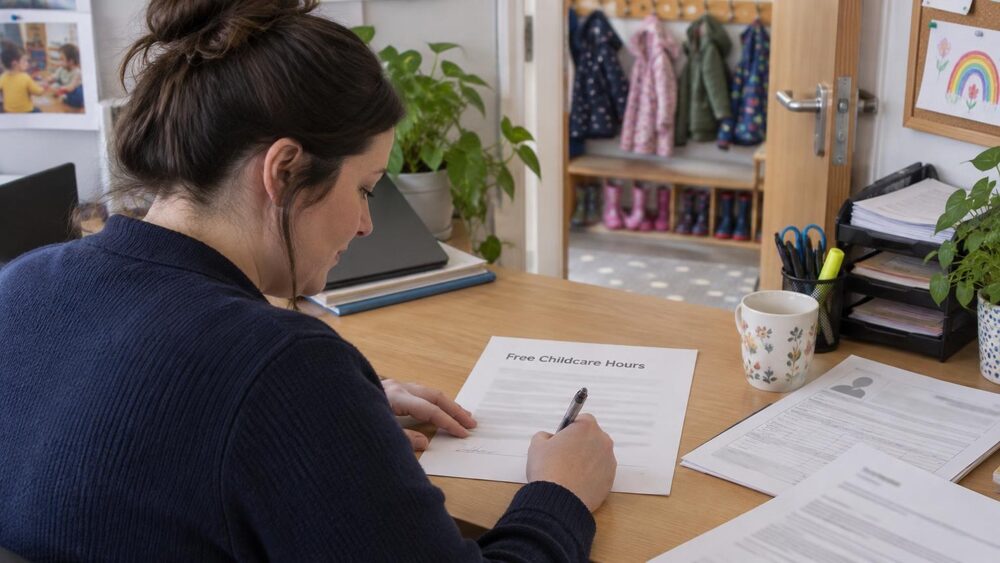
The expansion of free childcare announced in the Spring Budget will be phased in from April 2024, according to Toynbee Hall, an independent charity based in east London. In a response published on 15 March 2023, its research and policy team said the Chancellor's announcement provides a £4bn expansion of free childcare that would give an extra 30 hours a week to parents of one and two year old children1.
The same response states that parents claiming Universal Credit are able to get additional help with childcare costs, and that the Government will start paying childcare costs upfront for those on eligible benefits, replacing the current scheme of paying and claiming a refund1. Toynbee Hall said the existing arrangement "risked pushing families into debt"1.
"The expansion of free childcare will be rolled out in phases from April 2024. This needs to be brought forward."
The charity also set out measures it said were missing. It said the Budget maintained the freeze on support towards housing costs for private renters, and cited research showing average private rents had topped pre-pandemic levels across the capital, having risen by an average of 15.8% and 25% across England1. It said the Government had announced tougher sanctions on people on Universal Credit, and that the Chancellor's Lifelong Loan Entitlement "misses the mark in making poorer families take on another financial burden to improve their earning potential"1.
The response covers childcare alongside other barriers to work for low-income parents, including the cost of adult education, the flexibility of employment support and pay levels in available jobs1. It concludes that "tougher sanctions and failure to offer any protection for private renters, means that this budget doesn't do enough to unlock the poverty trap for parents"1.
Why it matters for households
The £4bn expansion is described as providing an extra 30 hours a week to parents of one and two year old children, with the rollout beginning in phases from April 20241. On that account, families with children in that age group are the ones affected, and the change does not arrive in full at once.
For parents claiming Universal Credit, the reported change is in how childcare costs are paid: upfront rather than by paying and then claiming a refund1. The charity's stated concern is that the previous refund model risked pushing families into debt1. Households on eligible benefits are the group named as affected.
Private renters on benefits are also in scope of the response. It says the freeze on support towards housing costs for private renters was maintained, against a backdrop of rents having risen by an average of 15.8% and 25% across England1. The charity's position is that rising rents combined with a frozen support level will result in a shortfall and increase the risk of homelessness for the most vulnerable, including people with disabilities and low income private renters on benefits1.
The interaction between childcare support and means-tested benefits is covered in our guide to Tax-Free Childcare vs Universal Credit Childcare Element, and our benefits hub sets out the wider system.
What happens next
The phased rollout of the free childcare expansion begins from April 20241. Toynbee Hall's response calls for that start to be brought forward, saying the support "is not imminent"1. No further dates for individual phases are given in the response.
 Turn2usFree benefits calculator and grants search from a charity
 Citizens AdviceFree advice on money, consumer and legal problems in England and Wales
 GOV.UKOfficial information on tax, benefits and government services
 MoneyHelperFree, impartial money and pensions guidance, set up by government