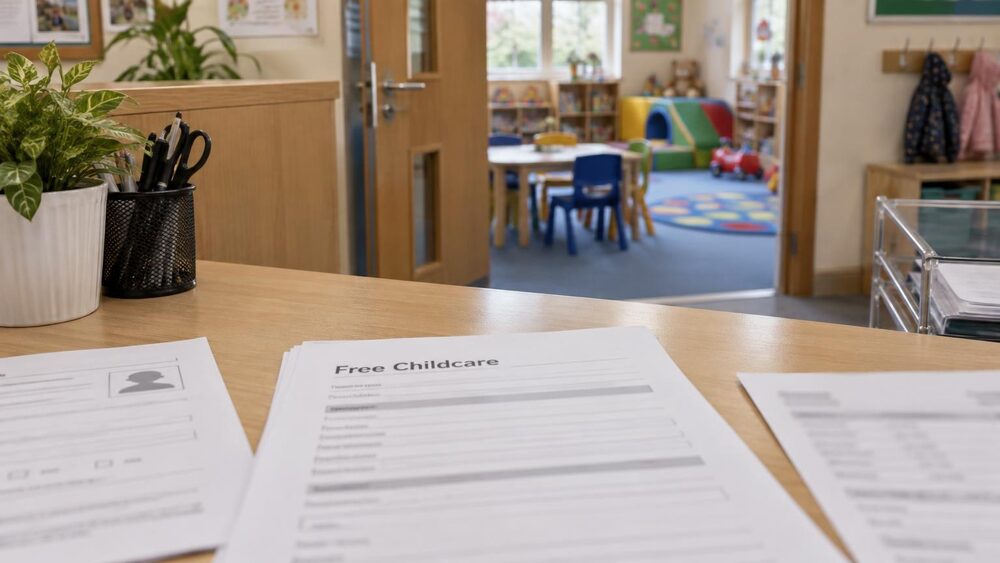
Working parents of two-year-olds in England became able to access 15 hours a week of government-funded childcare from 1 April 2024, the first stage of a phased expansion announced in the Spring Budget1. The rollout was set out in March 2023, when the Chancellor said the 30 hours of free childcare a week available for three and four-year-olds would be extended to younger children2.
The stages announced were:
| From | Entitlement |
|---|---|
| April 2024 | Working parents of two-year-olds get 15 hours a week3 |
| September 2024 | Working parents of children aged nine months to two years get 15 hours a week3 |
| September 2025 | Eligible working parents of children aged nine months to three years get 30 hours a week3 |
The help is offered to households where all adults work at least 16 hours a week, and in a couple both parents must meet that test2. The Spring Budget document described the eventual offer as up to 30 hours free childcare a week for 38 weeks a year for parents in England working over 16 hours a week3. Gingerbread, the single parents charity, said over 150,000 children were expected to take up the funded places, and that the full rollout would save parents an average of £6,900 a year1. Which? reported the Chancellor's figure of an average £6,500 saving for a family with a two-year-old using 35 hours of childcare a week2. The two figures are not the same and both are reported as given.
Funding for the sector formed part of the package. Gingerbread reported over £400 million of additional investment to uplift funding rates in 2024-25, with rates rising over the next two years by an estimated £500 million1. Which? reported £204 million of funding to nurseries from September 2023, rising to £288 million in 2024-25, and a change in the minimum staff to child ratio for two-year-olds in England from 1:4 to 1:5 from September 2023, which remained optional2.
Separately, the maximum childcare costs claimable through Universal Credit rose from July 2023 to £951 a month for one child and £1,630 for two or more, up from £646 and £1,1083. The government said the changes would take effect that summer but did not confirm which month2. The Spring Budget also provided for help with the first month's childcare costs before payment, for parents moving into work or increasing their hours, from summer 20233.
"In the first stage, which launched on 1st April 2024, working parents of two-year-olds will be able to access 15 hours of government-funded childcare."
Why it matters for households
From 1 April 2024, families in England with a two-year-old where every adult works at least 16 hours a week can take up 15 funded hours a week, which reduces the hours they pay for. The entitlement is for 38 weeks a year3. Families whose child turns two later, or who do not meet the working hours test, are not covered by this stage.
The expansion continues on dated steps: 15 hours for children aged nine months to two years from September 2024, then 30 hours for children aged nine months to three years from September 20253. Parents in training or education cannot claim the funded places, Gingerbread said, and it reported that one single parent who contacted its helpline faced giving up her job because no nursery place was available for her 18-month-old until September 20251.
Costs differ across Great Britain. The Bevan Foundation, citing Coram Family and Childcare's 2025 survey, said a parent of a child under two in Wales spent on average around £2,600 a year more on full-time nursery than a parent in England, rising to almost £4,400 part time, and around £1,700 a year more than a parent in Scotland4. In Wales, around 60% of two-year-olds were expected to access 12.5 hours a week through Flying Start from March 2025, with no support for children under two4.
For families on Universal Credit, the childcare element covers 85% of costs up to the monthly caps2. The childcare costs section of Universal Credit sets out how claims work, and Tax-Free Childcare compared with the Universal Credit childcare element covers the alternative route. The benefits hub lists related help.
What happens next
The next stage takes effect in September 2024, when 15 hours a week extends to working parents of children aged nine months to two years3. From September 2025, eligible working parents of children aged nine months to three years can access 30 hours a week3. The Bevan Foundation said the gap with Wales is set to widen at that point, as it appeared unlikely the full rollout of 12.5 hours to all two-year-olds through Flying Start would be complete4.
Sources4 cited
- Single parents able to claim more childcare hours due to new Government funding | Gingerbread gingerbread.org.uk
- Spring Budget childcare changes explained - Which? which.co.uk
- Spring Budget update March 2023 entitledto.co.uk
- Are parents in Wales facing a childcare premium? - Bevan Foundation bevanfoundation.org
 Turn2usFree benefits calculator and grants search from a charity
 Citizens AdviceFree advice on money, consumer and legal problems in England and Wales
 GOV.UKOfficial information on tax, benefits and government services
 MoneyHelperFree, impartial money and pensions guidance, set up by government