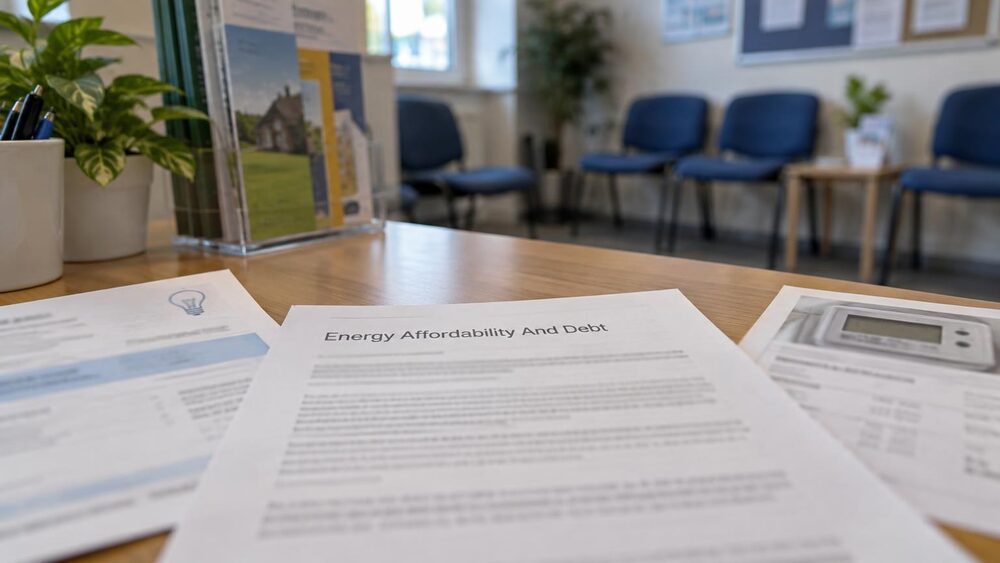
Ofgem published its Call for Input on affordability and debt in the domestic energy market in March 20241. The regulator's focus on the issue follows a rise in energy debt and arrears in the Great Britain domestic market, which now exceeds £3bn, described by Consumer Scotland as a record high level1.
Consumer Scotland, which has tracked perceptions of energy bill affordability since spring 2022, welcomed the Call for Input and set out priorities for the work, including greater visibility of energy debt and arrears statistics for Scotland, reform of tariff structures, and steps towards an inclusive energy market1. Its briefing, published on 4 April 2024, drew on the sixth wave of its Energy Affordability Tracker, with fieldwork carried out between 25 January and 13 February 20241.
"In March, Ofgem published its Call for Input on affordability and debt in the domestic energy market"
The tracker found that 26% of households said it was difficult to keep up with energy bills, down from 35% in winter 2022/23, and that the proportion of people expecting to feel worse off in three months had fallen from 60% to 30% over the same period1. It also found that 9% of households in Scotland were in energy debt on a broad definition that includes borrowing from friends or family or taking out loans to pay energy bills, as well as arrears with a supplier1. Of those in energy debt, 20% reported debt recovery action in January and February 2024, compared with 10% in October 2023, and 17% reported being put on a prepayment meter as a result of their energy debt1. Almost half, 48%, were not confident they would be able to clear their debt or arrears1.
Ofgem figures cited in the briefing show average debts of £851 for customers with a repayment plan in place, and average arrears of £1,761 for those with no repayment plan1. Consumer Scotland said the risk factors most associated with energy indebtedness were having a disability that limits a lot, having a health condition, and having a child under 5 in the household, and that these were more strongly associated with energy indebtedness than low income itself1.
On prices, the briefing states that the energy price cap stood at £1,928 for a typical household during the tracker's fieldwork, and that as of 1 April the cap is now at £1,6901. It also notes that Ofgem confirmed that from April 2024 there will be a new allowance for bad debt, meaning money owed by customers which is unlikely to be repaid, funded by temporarily adding £28 per year onto the typical bill, which Consumer Scotland says is almost double the level the regulator originally consulted on1.
Why it matters for households
The Call for Input concerns the domestic energy market in Great Britain, so its scope covers households across England, Scotland and Wales1. The briefing sets out the position as bills have fallen from their peak while debt accumulated during the period of higher bills remains: energy debt and arrears exceed £3bn, a record high1. For households carrying arrears, the reported figures include average debts of £851 where a repayment plan is in place and £1,761 where there is none1.
The £28 annual addition to the typical bill to fund the bad debt allowance takes effect from April 2024, and the price cap stood at £1,690 as of 1 April1. Consumer Scotland's tracker found that households paying when the bill arrives or by prepayment meter were more likely to be in energy debt than those paying by direct debit or standard credit, even after controlling for lower average incomes among those groups1. It also found that customers in energy debt were substantially more likely to say keeping up with energy bills negatively affected their mental and physical health than those not in debt1.
What happens next
The briefing says Consumer Scotland has continued to highlight an ongoing need for a more comprehensive and coherent approach to energy bill support for the most vulnerable consumers, and that Ofgem should continue to monitor suppliers' treatment of indebted customers1. It refers to a recent open letter from Ofgem and the UK's other main regulators on how suppliers treat indebted customers1. No outcome or closing date for the Call for Input has been reported.

 Financial Ombudsman ServiceFree, independent help when a complaint about a firm is not put right
 FSCSProtects your money if a bank, insurer or investment firm fails
 FCA Warning ListCheck whether a firm is authorised before you deal with it
 MoneyHelperFree, impartial money and pensions guidance, set up by government
 Citizens AdviceFree advice on money, consumer and legal problems in England and Wales