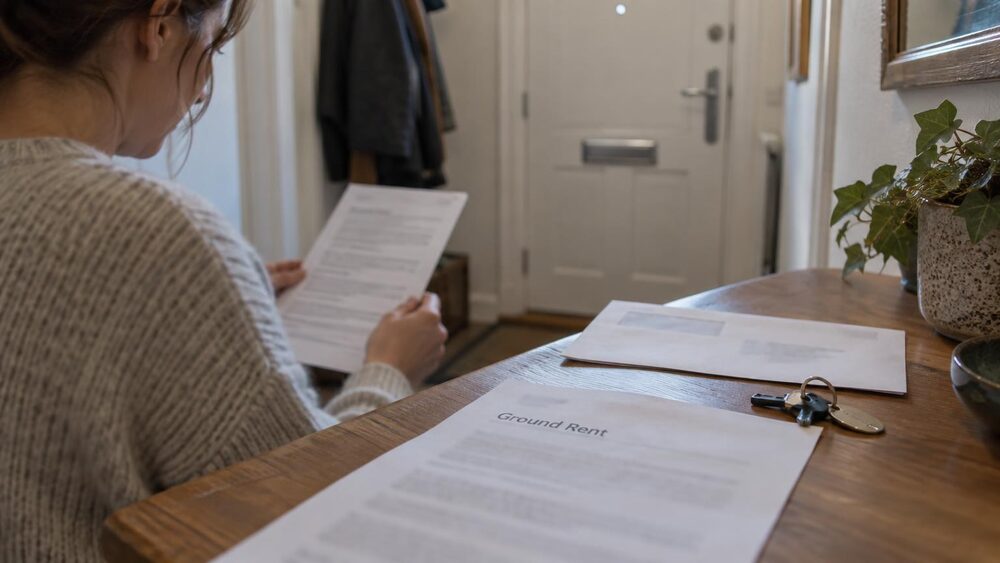
The Department for Levelling Up, Housing and Communities opened a consultation on 9 November 2023 on capping the maximum ground rent that residential leaseholders can be required to pay in England and Wales1. The consultation ran from 7am on 9 November 2023 to 11:59pm on 17 January 2024, after being extended by four weeks from its original closing date1. It applies to England and Wales1.
The consultation set out five options for how the government could intervene: capping ground rents at a peppercorn; setting a maximum financial value for ground rent; capping ground rents at a percentage of the property value; limiting ground rent to the original value when the lease was agreed; and freezing ground rent at current levels1.
The government said it had already legislated to restrict new residential leases to a peppercorn ground rent, and that the consultation examined extending that protection to existing leaseholders1. It cited the Ground Rent Act 2022, which limits ground rent on new leases to one peppercorn per year, effectively setting the rate to zero1. It also referred to the Leasehold and Freehold Reform Bill, which it said would be introduced to Parliament soon and would go further1.
"This consultation seeks views on capping the maximum ground rent that residential leaseholders can be required to pay in England and Wales."
An impact assessment for the consultation was published on 6 December 20231. A Welsh translation of the consultation was also published1.
Why it matters for households
Ground rent is a periodic payment made by a leaseholder to the freeholder under the terms of a lease. The consultation concerned existing leases, meaning leases already in place, rather than new ones, which are already subject to the peppercorn limit set by the Ground Rent Act 20221. Any cap would therefore affect people who already hold a leasehold home in England and Wales and currently pay ground rent under its terms1.
The five options would produce different outcomes for those households. Capping at a peppercorn would reduce the required payment to effectively nothing, as the government describes the 2022 Act as doing for new leases1. Setting a maximum financial value, a percentage of property value, or the original value when the lease was agreed would each tie the permitted rent to a different measure, while freezing would hold it at current levels1. The consultation did not state which option would be chosen, and the government said it would consider all responses before replying1.
The government said that, subject to the outcome of the consultation, it aimed to introduce reforms through the Leasehold and Freehold Reform Bill1. No cap was in force for existing leases at the time of the consultation, and the consultation itself did not change what leaseholders were required to pay1.
What happens next
The consultation closed on 17 January 20241. The page records that a summary of responses was added on 19 March 2026, and that the consultation has concluded1. The summary of responses is published as a 98-page PDF and, the government says, should be read alongside its policy statement on addressing unregulated and unaffordable ground rent1. The government said it aimed to introduce reforms through the Leasehold and Freehold Reform Bill, subject to the outcome of the consultation1.
 Financial Ombudsman ServiceFree, independent help when a complaint about a firm is not put right
 FSCSProtects your money if a bank, insurer or investment firm fails
 FCA Warning ListCheck whether a firm is authorised before you deal with it
 MoneyHelperFree, impartial money and pensions guidance, set up by government
 Citizens AdviceFree advice on money, consumer and legal problems in England and Wales